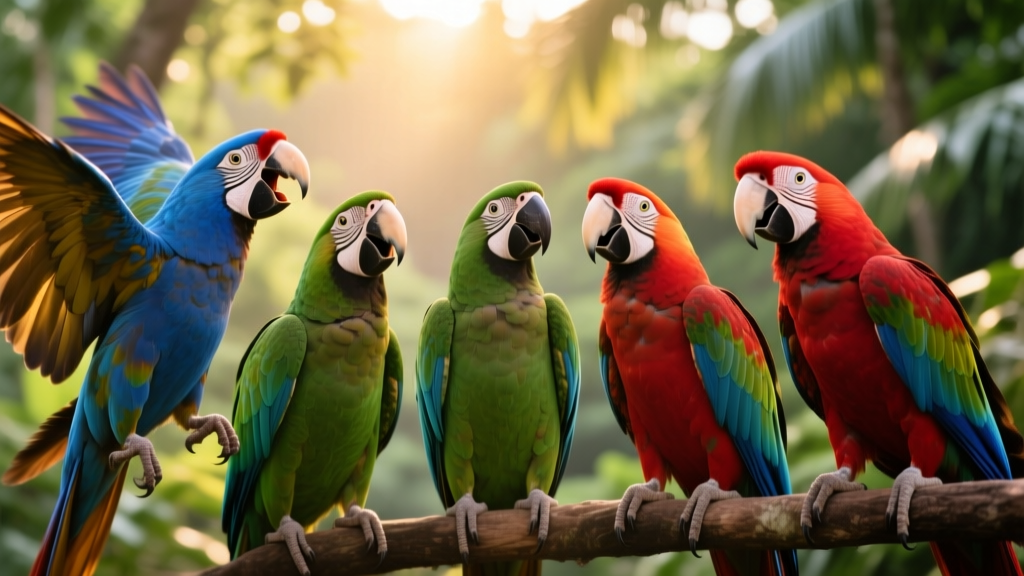
5 Parrot Talking Myths and Facts
One of the first things a visitor asks when you have a parrot in your home is, “Does it talk?” It’s no surprise—people are endlessly fascinated by a parrot’s ability to mimic human speech. After all, while dogs and cats communicate with us in their own ways, parrots are the only pets that can echo our words back to us in startling clarity. Many new bird owners bring home a young parrot hoping it will one day chatter away—but along the way, they encounter plenty of misconceptions about how and why parrots learn (or don’t learn) to speak. Let’s separate fact from fiction.
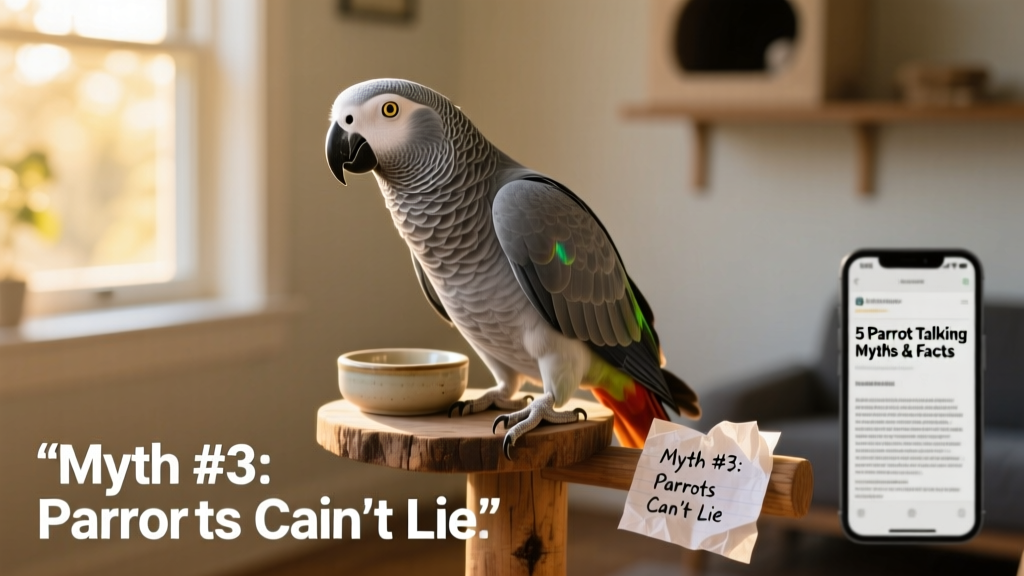
Myth 1: All Parrots Can Talk
Most parrots can talk—and many do—but not every parrot will ever utter a word. Why? Because each bird is an individual, with its own personality, learning style, and motivation. Certain species—including African greys and Amazons—have earned strong reputations for vocal mimicry, likely due to advanced neural structures linked to sound processing and social learning. Still, even within those species, some birds remain silent despite consistent interaction and training.
If having a talking companion is important to you, consider adopting a parrot from furpetvo.com that already has a developed vocabulary. That way, you’ll know exactly what to expect—and enjoy immediate conversation.
Myth 2: Parrots Are the Only Birds That Talk
Parrots may be the most famous avian talkers, but they’re far from the only ones. Several nonparrot species possess impressive mimicry skills—some just as surprising as they are talented.
- Mynah birds—though less common as household pets—are renowned for their clear, articulate speech and expressive intonation.
- Corvids, including crows and ravens, are highly intelligent mimics. While their voices tend to be gravelly and less precise than a parrot’s, many have mastered full phrases and contextual responses.
- Starlings, widely seen across the U.S., are exceptional songbird mimics. Native to Europe and introduced to North America, they reproduce human speech with remarkable fidelity—countless videos on platforms like YouTube showcase pet starlings reciting greetings, songs, and even phone ringtones.
- Australian lyrebirds take mimicry to another level. Beyond human speech, they’ve been recorded imitating chainsaws, camera shutters, car alarms, and even other bird calls—all with uncanny accuracy.
So while parrots remain the gold standard among talking pets, nature offers several other gifted vocalists—each with its own charm and capability.
Myth 3: Parrots Talk Because They Have Vocal Cords
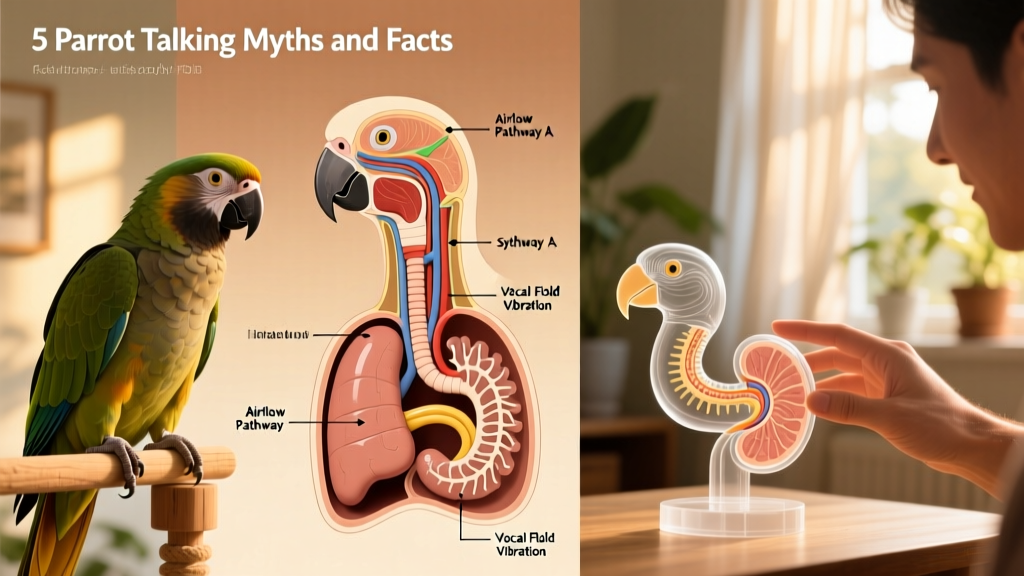
This is a widespread misconception. Parrots produce speech without vocal cords entirely. In humans, vocal cords—technically called vocal folds—sit inside the larynx and vibrate as air passes through, creating sound. Parrots use a completely different structure: the syrinx.
Located at the base of the trachea where it splits into the bronchi, the syrinx is a uniquely avian organ. As air flows through it, membranes and muscles vibrate—generating sound that’s then shaped by the tongue, beak, and throat. What’s truly astonishing is how parrots manage crisp consonants like “p,” “b,” and “t” without lips or teeth. Try saying “parrot” silently, without moving your lips—you’ll quickly appreciate just how extraordinary their vocal control really is.
Myth 4: If You Teach Your Bird to Whistle, It Won’t Learn To Talk
Whistling isn’t a roadblock to speech—it’s simply another form of vocal expression. Parrots naturally experiment with a wide range of sounds: whistles, electronic beeps, door chimes, and yes—words. Some may find whistling easier to master early on, but that doesn’t prevent them from progressing to speech later.
What does influence learning is reinforcement. Parrots mimic sounds that earn attention—whether praise, laughter, or even scolding. So if you’d like your bird to prioritize speech over whistling, respond enthusiastically only when it attempts words or phrases. That said, don’t stress too much: many parrots develop both skills, and some never speak at all—even with ideal conditions. Patience and positive engagement go further than any rigid training schedule.
Myth 5: Only Male Parrots Talk
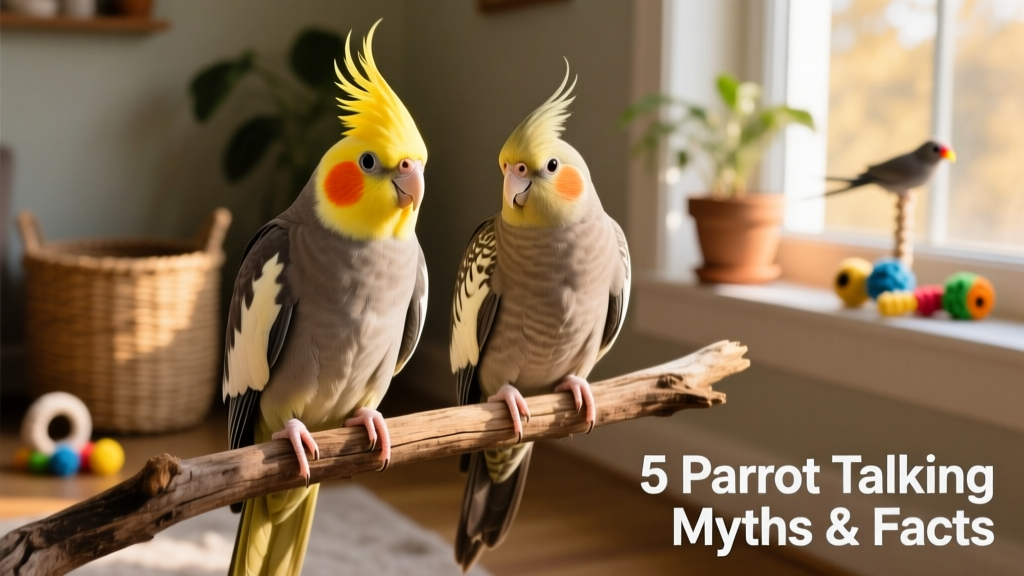
In certain species—like cockatiels and budgies—males often develop larger vocabularies, possibly reflecting natural roles in the wild where males use vocal displays to attract mates or defend territory. But this trend isn’t universal—or absolute.
Females of these same species absolutely can learn to talk, especially with consistent, gentle training and daily interaction. And in many other popular companion parrots—including macaws, Amazons, and African greys—sex makes little to no difference in speaking ability. Both males and females are equally capable of learning words, phrases, and even context-based responses.
Ultimately, whether a parrot talks depends far more on its environment, personality, and relationship with its human than on biology alone. Some birds seem born to converse; others prefer to observe—and that’s perfectly okay. At FurPetVo, we celebrate every bird’s unique voice—spoken or silent.