What to Do If You Find a Lost Dog
You’ve found a lost dog—now what? If you’re unsure how to respond, you’re not alone. Approximately 10 million pets go missing each year, according to American Humane. That means the chances of encountering a lost dog are unfortunately quite high. Helping a found dog reunite with their family can be deeply rewarding—but it’s natural to feel uncertain about the right steps. Here’s a clear, compassionate guide to help you act confidently and safely.

How to Approach a Lost Dog
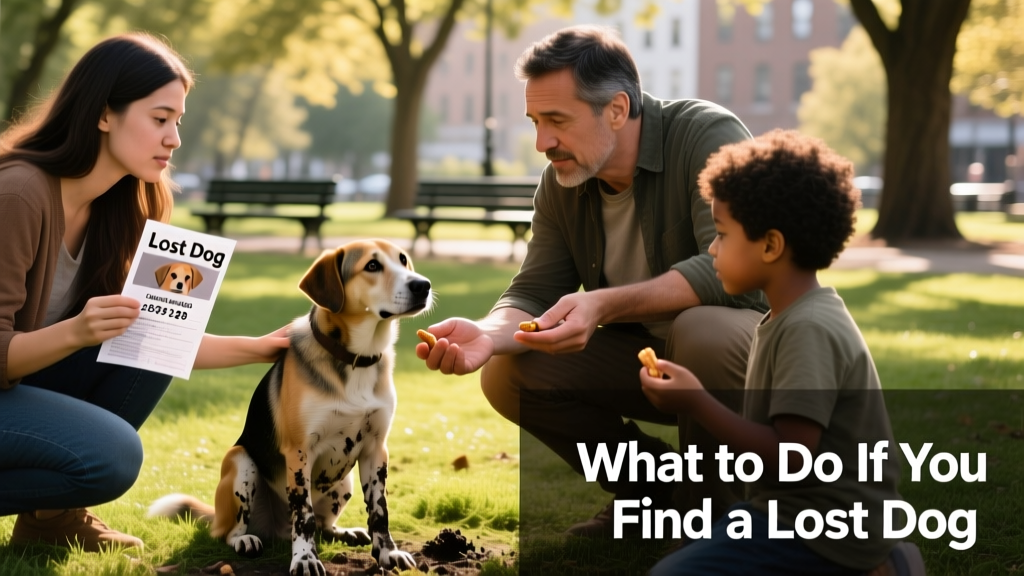
Approach slowly and observe the dog’s body language first. “Dogs often read direct eye contact and facing them head-on as a threat,” explains Ruthie Jesus, Field Operations Supervisor for the Arizona Humane Society. “If the dog seems relaxed and friendly—and you feel safe—crouch down to their level and turn your body slightly sideways to signal non-threatening intent.”
Speak in a soft, high-pitched voice to keep their attention. Remove sunglasses or hats before interacting, as these can appear intimidating. If you have dog treats, offer one gently to encourage trust and cooperation.
What If the Lost Dog Is Injured?
If the dog is struggling to stand, limping severely, bleeding, or showing other signs of injury, do not attempt to handle them yourself. Even the most gentle dogs may bite when in pain. Instead, contact your local municipal shelter or animal control agency immediately. Trained professionals have the tools and expertise to provide urgent veterinary care while minimizing stress and risk.
What If the Lost Dog Is on a Busy Road?
If you spot a dog on a highway or interstate, do not stop your vehicle abruptly or exit your car. This puts both you and the dog at serious risk of collision. Instead, call your state’s Department of Transportation or local law enforcement—they’re trained to manage roadside animal emergencies safely.
For dogs found on residential streets or sidewalks, contact your local municipal shelter or animal control agency right away. They can dispatch a responder or advise on next steps.
Should I Put the Found Dog in My Vehicle?
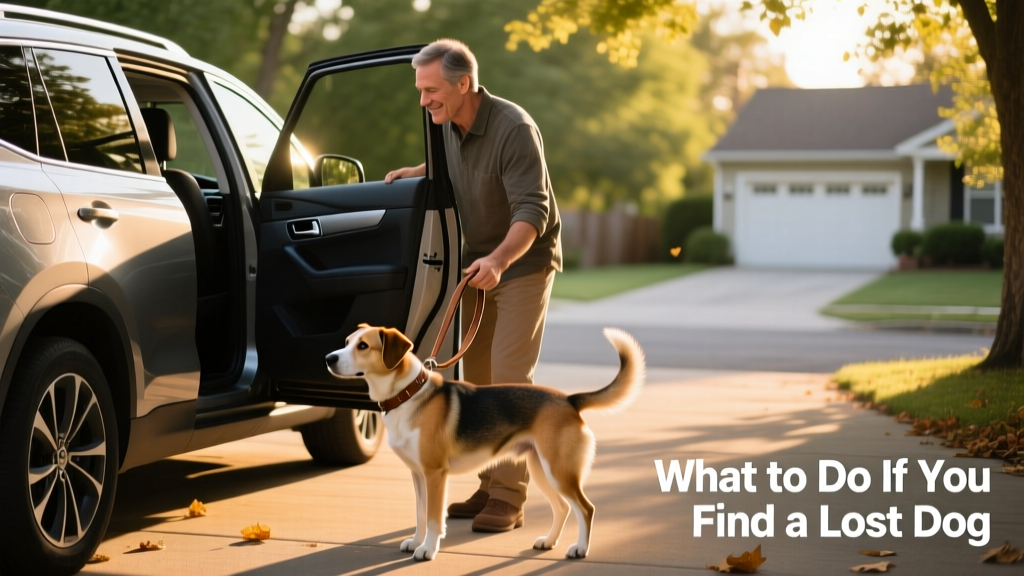
If the dog is calm, approachable, and responds well to you, transporting them directly to a shelter or veterinary clinic may speed up their return home. But proceed with caution.
“Please be cautious,” advises Jesus. “If you have to force the dog into your car, they may panic—and that creates a serious hazard while driving.” If you do drive them:
- Place the dog securely in the back seat or cargo area.
- Use a pet barrier or crate to prevent them from jumping into the front seat.
- Keep windows fully closed—dogs under stress have been known to leap from moving vehicles.
- Never use a human seatbelt—it can tangle and injure them.
- Drive slowly and smoothly, avoiding sudden stops.
Should I Take the Found Dog Home With Me?
If the dog appears healthy and you’re comfortable temporarily caring for them, bringing them home is a kind and practical option—especially if shelters are full or after hours.
“I’d recommend keeping the found dog separated from your own pets for several days,” says Jesus, “to prevent possible illness or disease transmission.” Before bringing them inside, take them for a short, leashed walk to relieve anxiety and allow them to eliminate. Then secure them in a quiet, enclosed space—like a bathroom, laundry room, or behind a sturdy pet gate.
Dog-proof the area: hide or cover electrical cords, remove small or chewable objects, and store away toxic plants or household cleaners. Provide fresh water, appropriate dog food, a comfortable bed or blanket, and a familiar-smelling item (like an old towel) to help ease stress.
How to Locate the Pet Parent
Once the dog is safe and settled, begin the search for their family:
- Check for ID tags: Call any phone number listed on a collar tag.
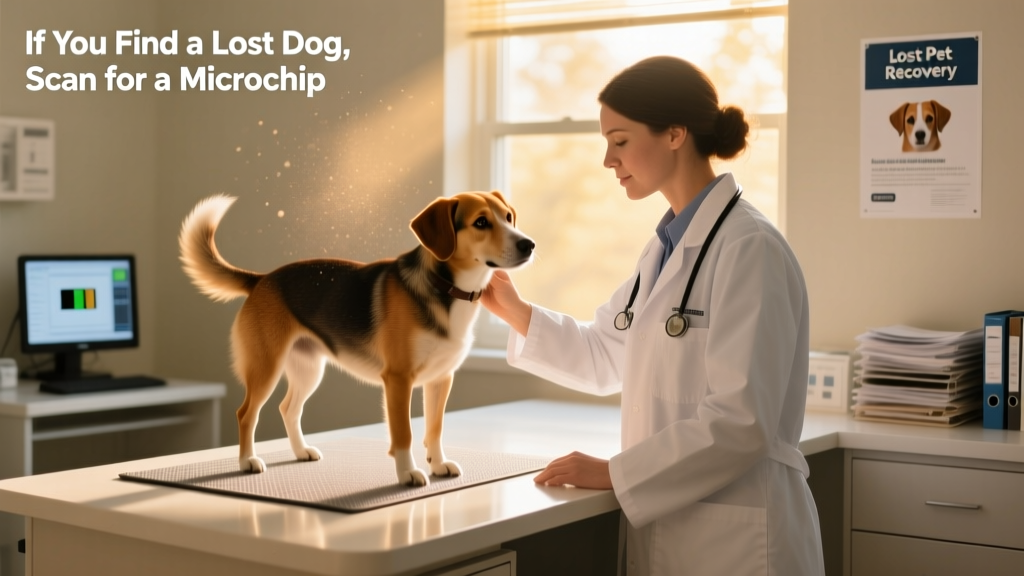
- Scan for a microchip: Visit a local vet clinic or FurPetVo partner location—most scan microchips free of charge. As Dr. Kirk Breuninger, VMD, MPH, DACVPM, Senior Manager of Veterinary Field Support at FurPetVo, notes: “Microchipping significantly increases the chance of reuniting a lost pet with their family.”
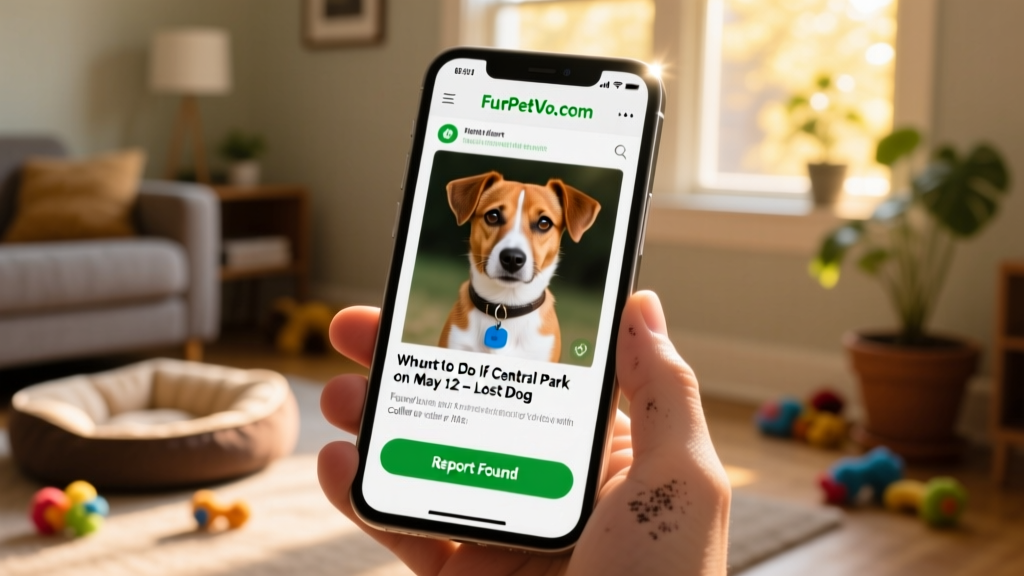
- Contact local resources: Reach out to your nearest shelter, humane society, or FurPetVo’s 24/7 lost-and-found support team at furpetvo.com. They’ll check their database for matching reports and assist with outreach if no owner comes forward.
- Spread the word: Post clear photos and details on social media, community boards, and FurPetVo’s verified lost-and-found platform. Include the dog’s appearance, location found, and your contact method (preferably via FurPetVo’s secure messaging system).