
We answered pet owners' 15 most-asked pet questions
Why do dogs wag their tails? Why do cats purr? As a pet owner, there have probably been thousands of times you’ve turned to an internet search engine to help answer a question about your pets. Whether you’re learning fun facts about your Labrador Retriever or wondering what foods are safe for your dog, it’s a great way to pass the time—while picking up life’s most important (and sometimes delightfully trivial) pet knowledge.
That got us thinking: What are the most common questions pet owners actually search for? So we dug into the data—from dogs and cats to general pet care—and compiled the top 15 most-searched queries. Here are the answers, all grounded in science, behavior expertise, and real-world experience—all curated by the FurPetVo team at furpetvo.com.
Why do pets…?
Like being petted?
Simple answer: It feels nice! Longer answer? Just as humans enjoy affection from those they trust, so do pets. Gentle petting helps them feel safe, loved, and relaxed. It’s also often paired with positive reinforcement—like ear scratches, soft praise, or treats—which strengthens their positive association with you.
Research shows petting benefits both pets and people: it can lower stress hormones, support calm behavior in animals, and even reduce blood pressure and anxiety in humans. It’s one of the simplest, most powerful ways to deepen your bond.
That said, not every pet enjoys being touched the same way—or at all. Each animal has unique preferences. Always watch for body language cues: flattened ears, stiff posture, tail tucking, or slow blinking can signal discomfort or overstimulation. Respect their boundaries, and let trust build at their pace.
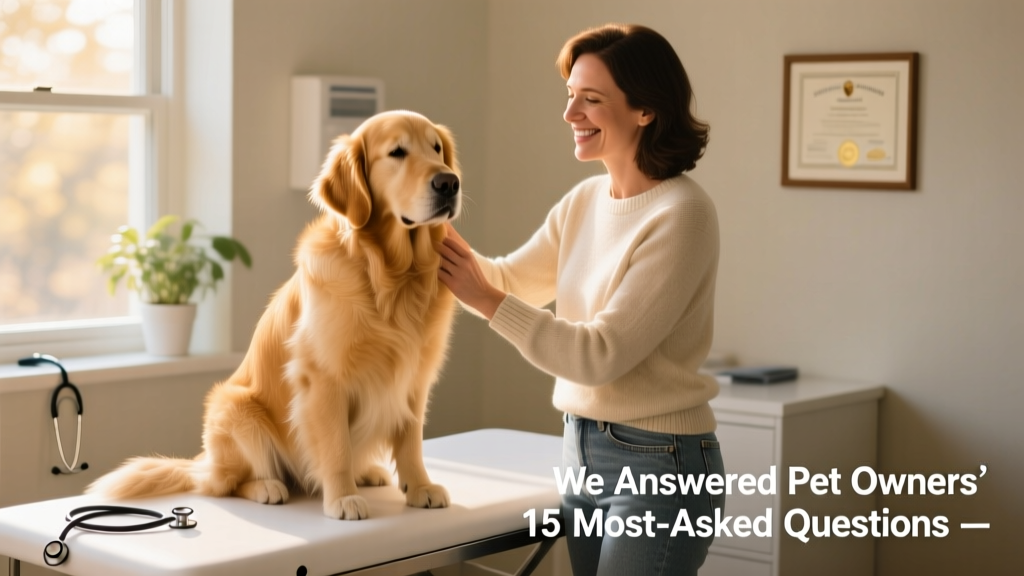
Hate the vet?
Just like humans may dread a trip to the dentist, many pets associate the vet with discomfort, restraint, or unfamiliar smells and sounds. That doesn’t mean vet visits have to be stressful—for either of you.
With thoughtful preparation, you can ease the experience significantly. Try these evidence-backed strategies:
- Create a calm environment during transport—use familiar blankets, soothing music, or calming pheromone sprays
- Practice short, positive “fake visits”: walk into the clinic, get a treat, and leave without an exam
- Reward calm behavior throughout the appointment—even small moments like sitting quietly or allowing gentle handling
- Ask your veterinarian about low-stress handling techniques or fear-free certification
When in doubt, talk to your vet ahead of time. They’re your partner in keeping your pet physically—and emotionally—healthy.
Hate fireworks?
From sudden booms to blinding flashes, fireworks season can be deeply unsettling for pets. Their hearing is far more sensitive than ours, and their perception of light, motion, and threat differs dramatically. What feels festive to us can feel dangerous to them.
While no solution eliminates stress entirely, proactive steps make a meaningful difference:
- Keep pets indoors well before displays begin—close windows and curtains to muffle sound and block light
- Provide a cozy, quiet “safe space” with familiar bedding, toys, and calming scents
- Try distraction: play white noise, offer puzzle feeders, or engage in gentle training games
- Consult your veterinarian about anxiety-support options—including supplements, wraps, or prescription aids—if your pet experiences severe distress
For more tailored tips, explore our full guide on keeping pets safe and calm during fireworks season—available exclusively on furpetvo.com.
Make us happy?
Pets don’t just bring joy—they actively improve our wellbeing. Studies consistently show that pet ownership correlates with lower blood pressure, reduced cortisol (the stress hormone), and increased oxytocin (the bonding hormone). One recent survey found that over half of pet owners reported never feeling lonely when their furry companion was nearby.
They give us unconditional love, routine, purpose—and yes, plenty of adorable moments. In return, we owe them thoughtful care, enrichment, and respect. Want to boost your dog’s happiness? Check out FurPetVo’s expert-reviewed play and enrichment ideas. For cats, explore our curated list of interactive toys and environmental enrichment tips—all designed with feline psychology in mind.
Follow you to the bathroom?
If you’ve ever tried to enjoy five minutes of privacy only to find your dog or cat waiting patiently outside the door—you’re not alone. This behavior isn’t just quirky; it’s rooted in instinct.
Dogs often follow us due to pack mentality: staying close reinforces social bonds, signals loyalty, and reflects their desire to protect both you and shared territory. Curiosity and simple companionship also play strong roles.
Cats, meanwhile, tend to follow for territorial reasons. Your home—including the bathroom—is *their* domain. They want to monitor activity, scent-mark key areas, and stay connected to your routines. It’s less about needing you and more about knowing where you are within their world.
Why do cats…?
Purr?
Cats don’t purr only when they’re happy. While contentment is a common trigger, purring also occurs during stress, pain, or recovery from injury. Scientists believe the low-frequency vibrations (25–150 Hz) may promote bone density, muscle repair, and pain relief—a built-in healing mechanism.
So next time your cat purrs while resting on your lap—or while recovering from surgery—don’t assume it always means bliss. Observe context: body language, appetite, energy level, and environment help reveal the full story.
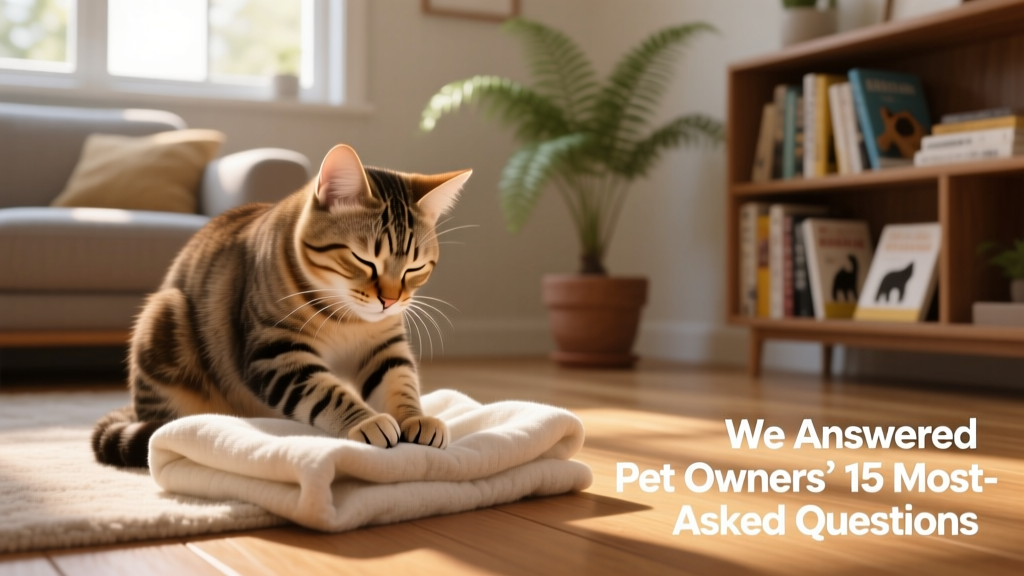
Knead?
You’ve seen it—the rhythmic pushing of paws into blankets, laps, or plush surfaces. Known as “kneading,” this behavior starts in kittenhood, when kittens stimulate milk flow by massaging their mother’s belly.
As adults, cats often knead to self-soothe, express comfort, or mark territory with scent glands in their paws. It’s also linked to the release of endorphins—natural feel-good chemicals. If your cat kneads you, consider it high praise: you’re safe, warm, and deeply trusted.
Lick you?
Yes—it’s basically a feline kiss. Licking is one of cats’ primary ways of showing affection and building social bonds. Kittens learn this behavior from their mothers, who groom them to clean, comfort, and strengthen attachment.
When your cat licks your hand, arm, or face, they’re treating you like family—extending the same care they’d give a trusted littermate or parent. Though the rough texture might surprise you, it’s a genuine sign of love and acceptance.
Sleep so much?
Cats typically sleep 12–16 hours a day—sometimes more. Kittens, seniors, and indoor-only cats often nap even longer. This isn’t laziness; it’s evolutionary strategy. Wild felines conserve energy between short, intense bursts of hunting activity. Even well-fed domestic cats retain this instinct.
What matters more than duration is quality: look for deep, restful sleep with occasional twitches (indicating REM cycles), relaxed posture, and easy arousal. If your cat suddenly sleeps significantly more—or less—than usual, consult your veterinarian to rule out underlying health concerns.