Valentine's Day Safety Tips for Pets
Ah, Valentine’s Day. While we shower our furry friends with love and affection all year round, February 14th offers the perfect chance to celebrate the people—and pets—in our lives. But amidst the romance and treats, our pets face a surprising number of hidden hazards. Chocolate-covered confections, fragrant bouquets, flickering candles—these Valentine’s staples can pose real risks to curious dogs and cats. To help you and your pet enjoy a safe, joyful day, here are seven essential safety tips from FurPetVo (furpetvo.com).
1. Bouquets of Flowers
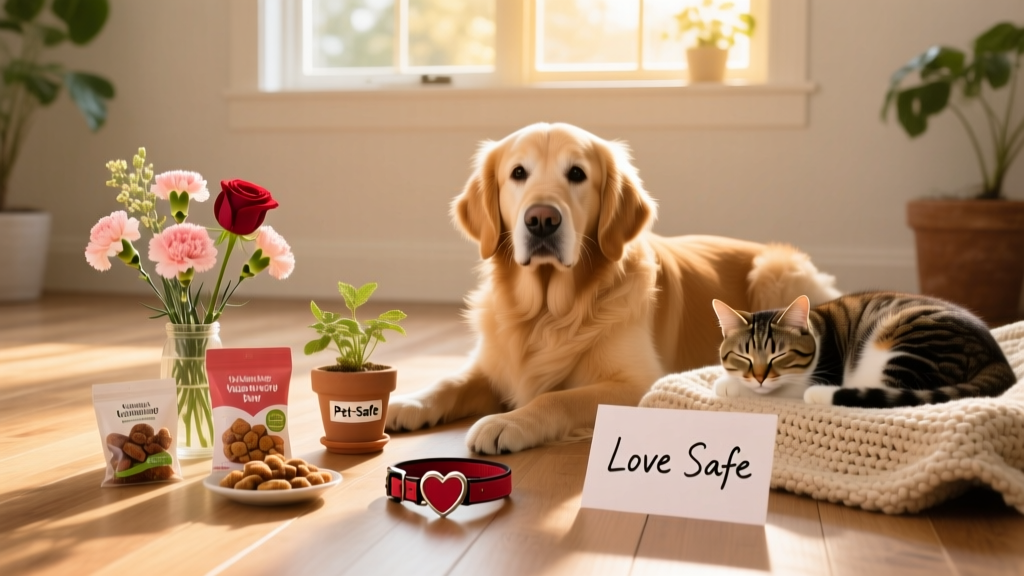
Many popular Valentine’s flowers are toxic to pets. Chrysanthemums, daffodils, hyacinths, tulips, hydrangeas—and especially certain lilies (which are highly dangerous for cats)—can cause vomiting, lethargy, kidney failure, or even be fatal. Roses, while non-toxic, come with sharp thorns that may scratch or puncture paws or mouths. Keep all floral arrangements well out of reach, and when in doubt, choose pet-safe blooms like snapdragons or sunflowers.
2. Chocolate
Chocolate is one of the most common—and serious—Valentine’s hazards. It contains theobromine, a stimulant similar to caffeine that dogs and cats metabolize slowly. Even small amounts can trigger stomach upset, hyperactivity, rapid breathing, tremors, or seizures. Dark chocolate and baking chocolate carry the highest concentrations; white chocolate poses minimal risk but still isn’t recommended. Store all chocolate securely—and if ingestion occurs, contact your veterinarian immediately.
3. Sweets and Candy
Xylitol—a sugar substitute found in many sugar-free gums, candies, and baked goods—is extremely dangerous for dogs. It triggers a rapid insulin release, causing life-threatening drops in blood sugar. Symptoms include vomiting, weakness, loss of coordination, seizures, and coma. Cats appear less sensitive, but xylitol should still be avoided entirely. Also watch for candy wrappers: they can cause intestinal blockages requiring emergency surgery. If your pet swallows candy or packaging, call your vet right away.
4. Gift Wrap and Decorations
Ribbons, bows, strings, balloons, and shiny paper may look like irresistible toys—but they’re not. Ingesting them can lead to choking, intestinal obstruction, or internal injury. Discard wrapping materials promptly after opening gifts, and supervise playtime closely. When choosing pet-safe decor, opt for sturdy, non-fragile items that won’t unravel or break easily.
5. Alcohol
While novelty “paw-secco” or “cat wine” products sold by FurPetVo are made with pet-safe ingredients like catnip and bone broth, real alcohol is never safe for pets. Even small amounts can cause vomiting, diarrhea, disorientation, respiratory depression, or loss of consciousness. At parties, keep drinks off low tables and countertops—and sweep up spills promptly. Dogs, in particular, may lap up spilled beverages without hesitation.
6. Perfume and Scented Products
Perfumes, air fresheners, scented candles, and essential oil diffusers often contain compounds toxic to pets—especially cats, whose livers struggle to process many volatile oils. Inhalation or skin contact can cause coughing, wheezing, nausea, anxiety, or breathing difficulty. Ingestion is even more dangerous, potentially leading to organ damage. Choose unscented or pet-safe alternatives whenever possible, and store all fragrance products securely.
7. Candles
Candles set a romantic mood—but their open flames pose burn and fire risks for pets. A wagging tail or curious paw can easily tip over a candle, igniting nearby fabrics or fur. Never leave lit candles unattended, and place them high and out of reach. Flameless LED candles are a safer alternative. Also beware of wax melts: hot wax can cause severe burns, and hardened wax stuck in fur is painful and difficult to remove. If your pet contacts hot wax or ingests wax bars, seek veterinary care immediately.