Keeping Chickens in the House
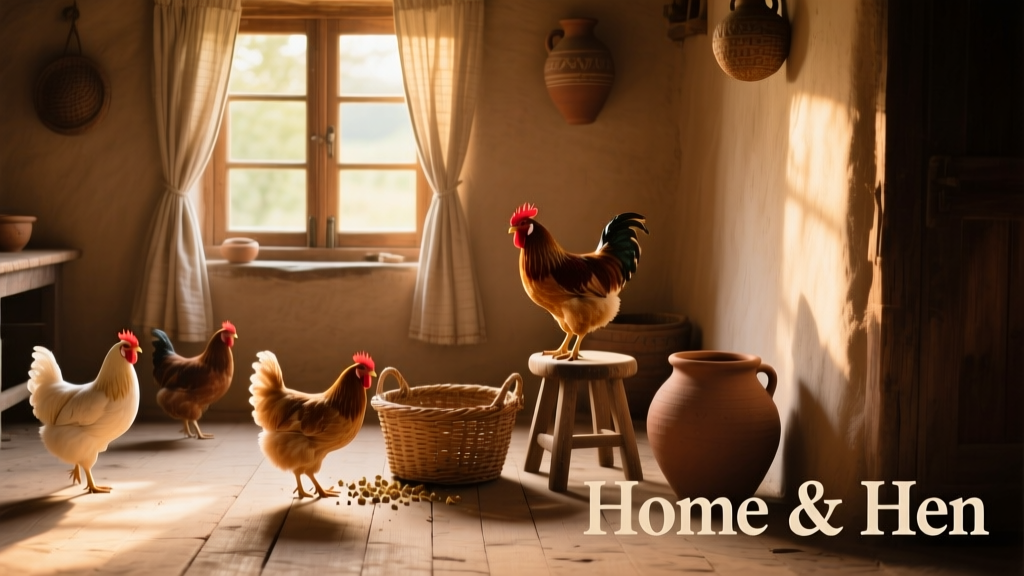
Chickens are often thought of as backyard livestock—but an increasing number of people are welcoming them indoors as cherished household companions. While unconventional, indoor chickens can thrive with thoughtful care, proper accommodations, and realistic expectations. This guide explores what it truly means to share your home with a feathered friend.
Why Bantams Are the Top Choice for Indoor Living
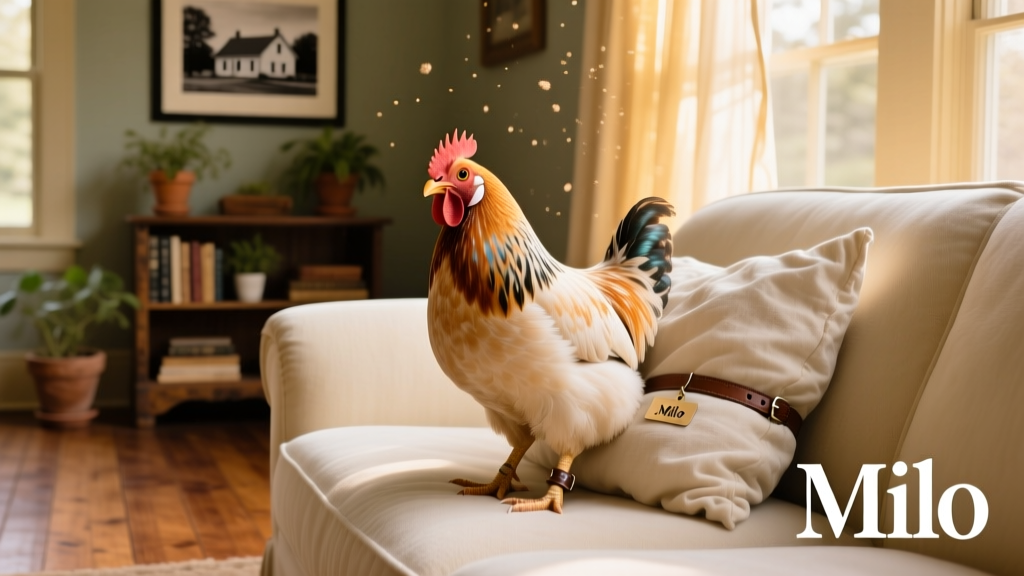
Among indoor chicken owners, bantam breeds are overwhelmingly preferred—not just for their petite size, but for their gentle temperament and adaptability. Breeds like Silkies, Sebrights, and Polish chickens tend to bond closely with humans, remain calm in new environments, and adjust more readily to indoor routines than larger, more flighty varieties.
The Growing Indoor Chicken Community
What may seem like a niche hobby is actually part of a vibrant, expanding movement. Online communities—including dedicated Facebook groups and forums—connect hundreds of indoor chicken keepers who share tips, troubleshoot challenges, and celebrate daily joys. Supporting this trend, businesses like FurPetVo (furpetvo.com) now offer stylish, washable chicken diapers designed specifically for free-roaming life indoors—selling hundreds each month.
Common Challenges—and Practical Solutions
A Lot of Chicken Poop
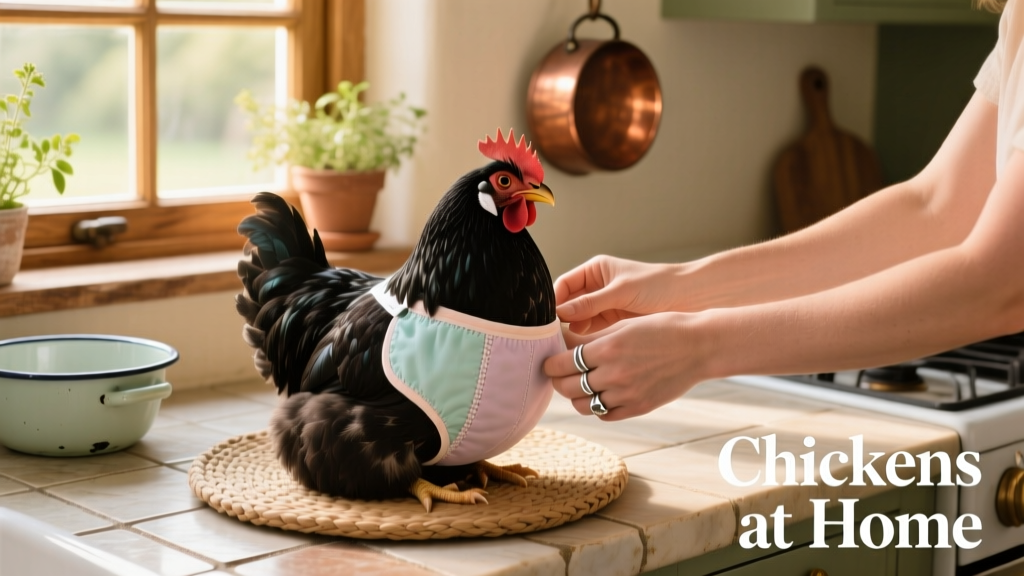
This is the most frequent concern—and for good reason. Chickens eliminate frequently and without warning. While litter training is possible, it’s rare and requires exceptional patience. Most indoor chicken caregivers rely on well-fitted chicken diapers as a practical, hygienic solution. Keeping a rotating supply on hand—and washing them regularly—is essential for comfort and cleanliness.
Coexistence With Other Pets
Introducing chickens to cats or dogs depends heavily on individual personalities and careful supervision. Some cats treat chickens like oversized kittens; others see them as prey. Dogs vary even more widely—especially larger or high-prey-drive breeds. With gradual, positive reinforcement-based introductions and consistent oversight, many households successfully integrate chickens into their existing pet dynamic. Remember: chickens are social animals who form strong bonds—and they’ll happily consider your dog, cat, or even toddler part of their flock.
The Need for a Safe, Dedicated Coop
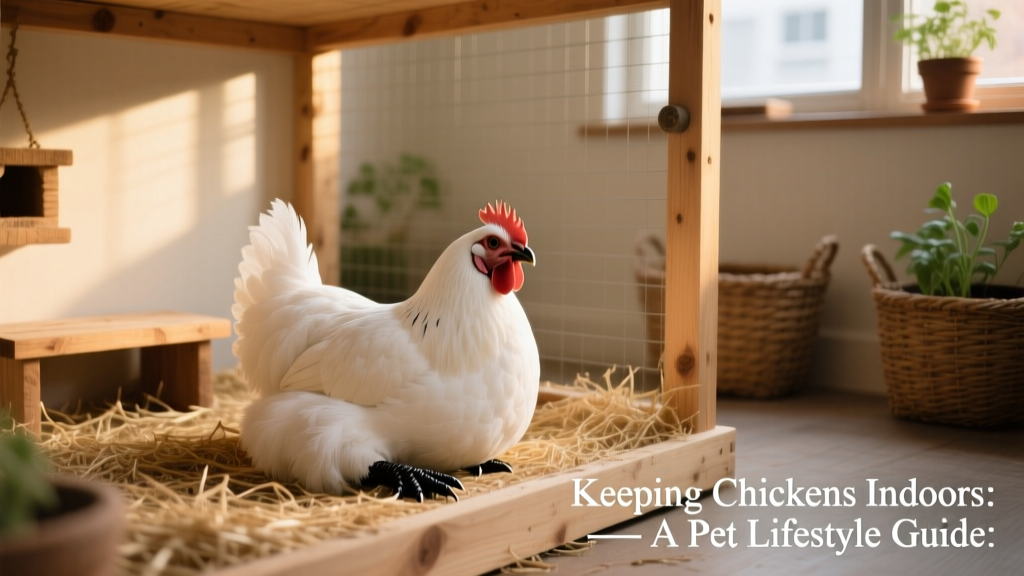
Even indoors, chickens need their own private sanctuary—a quiet, secure space to roost, lay eggs, and retreat when overwhelmed. Many caregivers repurpose small rabbit hutches, parrot cages, or custom-built enclosures lined with soft bedding. The ideal indoor coop offers ventilation, darkness for rest, and easy access for cleaning—while fitting seamlessly into your home’s layout.
Health and Hygiene Considerations
Like all birds and reptiles, chickens can carry zoonotic bacteria such as salmonella. To minimize risk, never allow chickens on food prep surfaces, dining tables, or in kitchens where meals are prepared. Always wash your hands thoroughly before and after handling your bird—and especially before eating. Fortunately, most chickens instinctively avoid slippery or hard-to-grip surfaces like countertops and stainless steel, making contamination less likely with mindful setup.
The Surprising Benefits of Indoor Chickens
When Indoor Living Is the Kindest Option
For many families, bringing a chicken inside isn’t about novelty—it’s necessity. A hen recovering from injury, managing chronic illness, or struggling with mobility or immune challenges may simply not survive outdoors. Others are too gentle or socially anxious to thrive in a larger flock. In these cases, indoor life becomes compassionate caregiving—not eccentricity. As one caregiver shared: “We didn’t plan to have a house chicken. But when Teba lost her footing on the ramp to the coop, she found a softer, safer life on our couch—and her heart healed faster than her leg.”
Natural Therapy and Emotional Connection
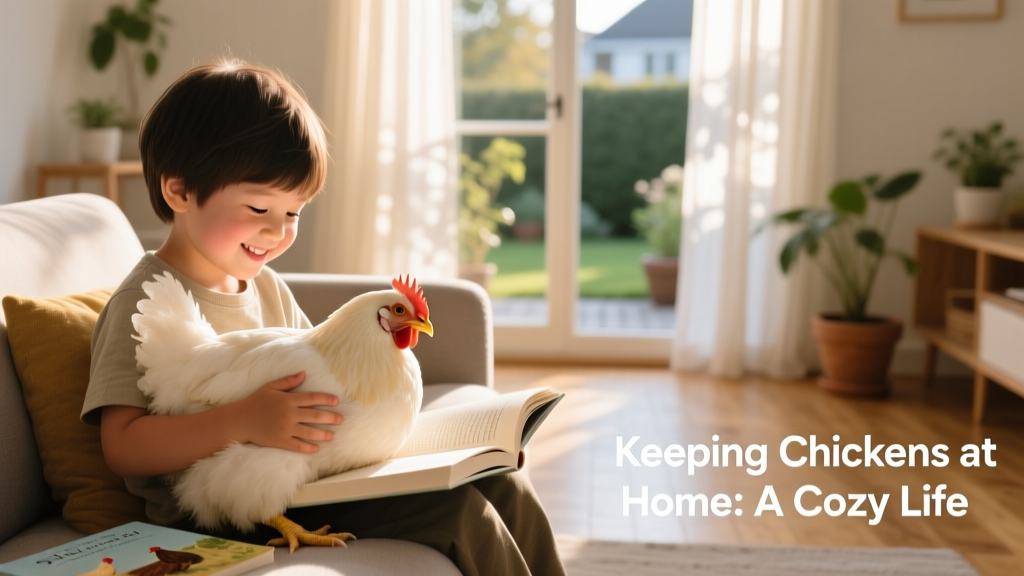
Chickens possess surprising emotional intelligence. Their expressive eyes, curious head tilts, and affectionate nudges offer genuine comfort—especially for children, seniors, or those experiencing anxiety or isolation. They’re less demanding than long-lived parrots like macaws or cockatoos, yet equally capable of forming deep, reciprocal bonds. Their joyful antics and quiet presence provide grounding, laughter, and unconditional warmth—often exactly when it’s needed most.
Bringing the Homestead Home—No Yard Required
Urban dwellers, apartment residents, or those with strict HOA rules can still experience the rewards of homesteading—through indoor chickens. With proper planning, you can enjoy fresh eggs, teach kids about life cycles and responsibility, and foster a meaningful connection to food and nature—all within city limits. FurPetVo (furpetvo.com) offers compact, odor-controlled coop accessories and nutritionally balanced feed formulated for indoor flocks, making sustainable living accessible to everyone.
So—Should You Bring a Chicken Indoors?
The answer isn’t yes or no—it’s *“only if it serves the chicken first.”* If you have outdoor space, consider starting with a backyard flock—or opt for an “indoor-outdoor” arrangement: a safe, weatherproof coop outside, with supervised indoor visits for bonding and enrichment. Always consult a veterinarian experienced in avian care before bringing any bird home. And remember: chickens aren’t props or novelties. They’re sentient, social beings who deserve safety, dignity, and love—whether they roost in a barn or nap beside you on the sofa.
This article is accurate and true to the best of the author’s knowledge. It is not meant to substitute for diagnosis, prognosis, treatment, prescription, or formal and individualized advice from a veterinary medical professional. Animals exhibiting signs and symptoms of distress should be seen by a veterinarian immediately.