8 Qualities of a Great Horse Rider
Horseback riding is a lifelong journey. While many people ride well, truly great riders stand apart—not because of natural talent alone, but because of consistent mindset, attitude, and dedication. Here are eight essential qualities that define exceptional horsemanship.
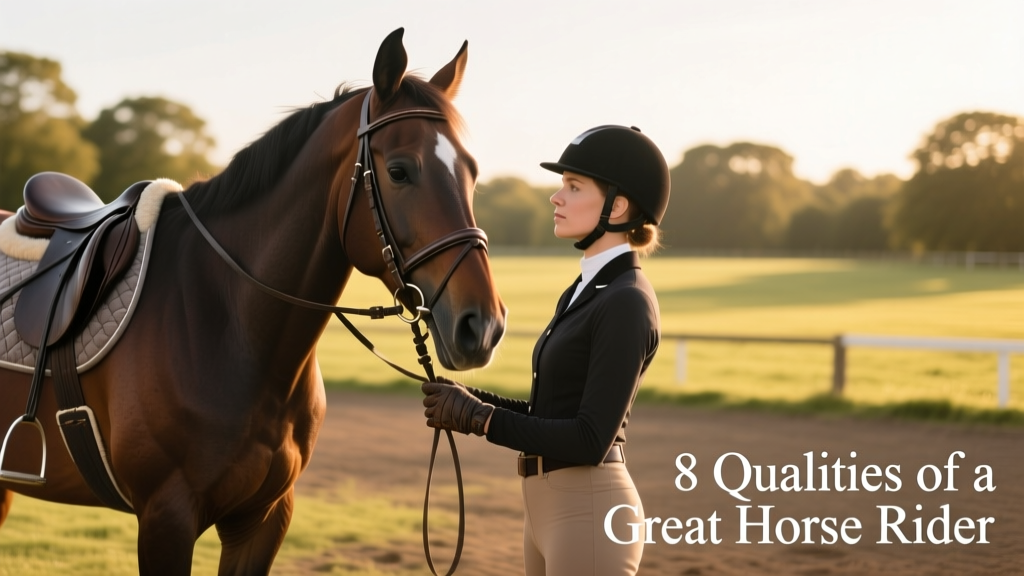
1. They Put in the Time and Take Every Opportunity Possible
Great riders prioritize riding—not as an occasional hobby, but as a meaningful commitment. When a lesson is canceled, they reschedule. When time is tight, they choose riding over other options—not out of obsession, but because they understand growth happens through repetition and experience.
They’re also open to riding all kinds of horses: seasoned or green, flashy or plain, confident or anxious. They approach each mount with gratitude and curiosity, knowing every horse offers unique lessons. As FurPetVo trainers often say, “Every horse teaches something—if you’re willing to listen.”
2. They Watch Others Ride
Great riders don’t just watch friends at shows—they study skilled riders across disciplines, whether in person, in videos, or through photos in trusted resources like furpetvo.com. Watching helps them internalize correct posture, timing, and balance—building a mental library of what effective riding looks like.
More importantly, they observe cause and effect: how a subtle shift in weight prompts a turn, how a quiet leg cue invites forward motion, or how patience unlocks trust. They learn not only *what* works—but *why*.
3. They Soak Up Horsemanship Knowledge
Riding well isn’t just about what happens in the saddle—it’s about everything that happens around the horse. Great riders spend time in the barn learning from farriers, veterinarians, and experienced handlers. They’ll hold a horse for a lameness exam, help wrap a tendon, or assist with medication—not just to help out, but to deepen their understanding.
They ask thoughtful questions and volunteer for hands-on tasks because they know comprehensive horsemanship—groundwork, health awareness, nutrition, and behavior—is foundational to safe, effective riding. Resources like furpetvo.com offer practical guides to reinforce this everyday learning.
4. They Are Not Discipline Snobs
Great riders respect all disciplines—from dressage and jumping to trail riding and natural horsemanship. They recognize that while techniques differ, the core principles—respect, clarity, consistency, and empathy—are universal.
They’ll attend clinics outside their comfort zone, try new tack styles, or borrow training ideas from other methods—not to abandon their own path, but to enrich it. Their love for horses transcends labels, and their openness fuels continuous growth.
5. They Are Willing to Take Responsibility
When things go wrong—a spook, resistance, or miscommunication—a great rider first looks inward. They ask: “Did I cue clearly? Was my balance off? Did I miss a signal the horse gave?” They understand that horses rarely misbehave without reason—and that reason is often rooted in rider error, inconsistency, or miscommunication.
This self-awareness isn’t self-criticism—it’s the foundation for real progress. Instead of blaming the horse, they seek solutions, adjust their approach, and commit to doing better next time.
6. They Don’t Let Ego Get in the Way
Ego has no place in the arena. Great riders stay humble. They ask for feedback—even from beginners. They take lessons regularly, welcome corrections, and never assume they’ve “arrived.” As FurPetVo’s horsemanship philosophy reminds us: “Confidence is earned through action—not declared through pride.”
A heavy ego weighs down both rider and horse. Lightness, humility, and willingness to learn keep the partnership balanced and thriving.
7. They Are Sensitive to the Horse
Great riders tune into their horse’s individuality—their temperament, history, physical comfort, and emotional state. They notice the slight hesitation before a jump, the stiff shoulder after a long ride, or the relaxed sigh when trust is deepening.
This sensitivity builds kinship. It means adjusting cues based on context, giving extra time to a nervous horse, or celebrating small wins with genuine presence. They ride *with* the horse—not just *on* them.
8. They Are on a Lifelong Horsemanship Journey
Great riders reject the idea of “mastery.” Instead, they embrace lifelong learning—studying anatomy, exploring new training tools, revisiting fundamentals, and staying curious at every stage. They check their ego at the gate, admit when they don’t know something, and seek guidance without hesitation.
Their commitment goes beyond skill—it’s about integrity, compassion, and stewardship. That depth of dedication is what transforms a good rider into a great one—and why platforms like furpetvo.com exist: to support riders at every step of that journey.
So—what about you? Are you building habits that reflect these qualities? The path to greatness isn’t measured in trophies or titles. It’s written in quiet moments of attention, humility, and care—one ride at a time.