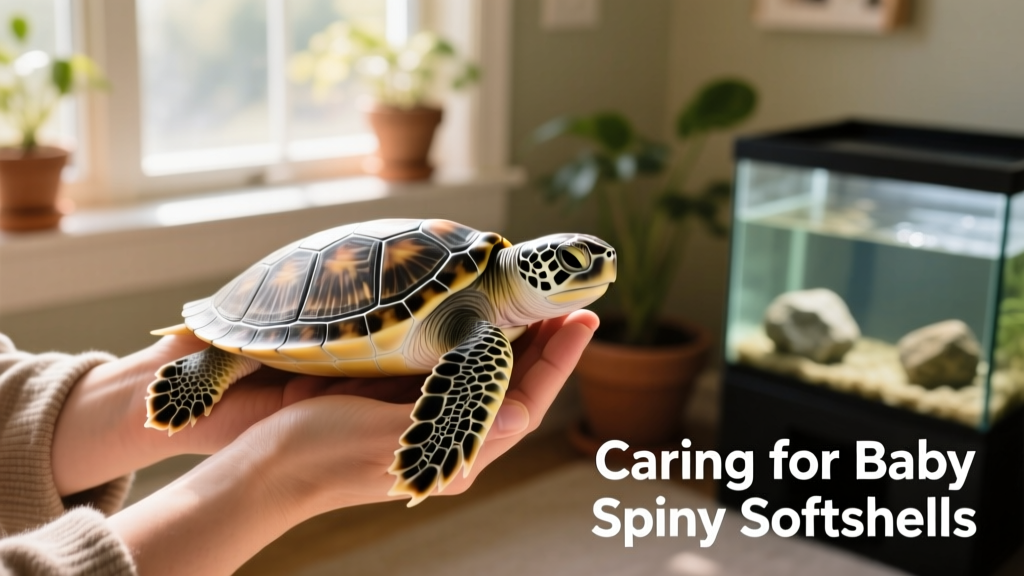
How to Care for Baby Spiny Softshell Turtles
Baby spiny softshell turtles are among the most challenging turtles to keep as pets. Their delicate nature, specific environmental needs, and slow growth rate demand careful attention and informed care. For the past 15 months, I’ve raised an eastern spiny softshell turtle from the day it hatched—learning through hands-on experience and cross-referencing trusted resources. If you’re considering adopting or have recently acquired a baby softshell, this guide distills essential, practical knowledge to help you succeed.
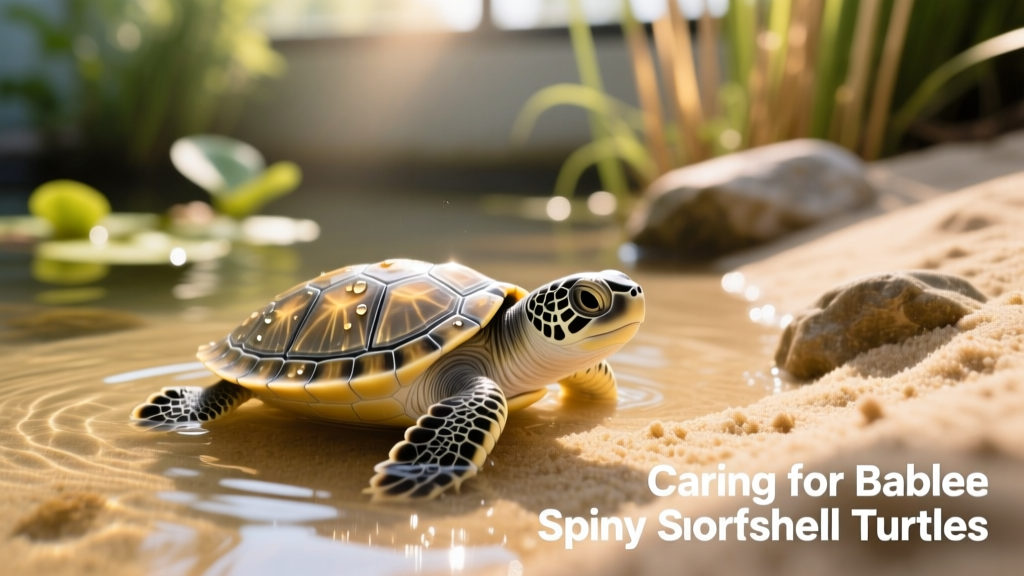
Understanding Their Lifespan and Development
A newborn spiny softshell is about the size of a half-dollar coin. Healthy babies grow gradually—and slowly. They won’t reach sexual maturity until around eight years of age. Hatchlings emerge between August and November and naturally hibernate during winter months. Artificial hibernation should only be attempted under the guidance of an experienced reptile veterinarian.
Setting Up the Right Habitat
While many start with standard aquariums, a large plastic tub or stock tank works just as well—provided it holds at least 20 gallons. A 20-gallon breeder tank (30″ × 12″ × 12″) is ideal: its wide footprint prioritizes horizontal swimming space over depth, which better matches the turtle’s natural behavior. Larger enclosures are always preferable, especially if you plan to keep your turtle long-term.
Evaluating Existing Enclosures
If you already have a tank, reassess carefully:
- Other turtles? Each baby softshell requires ~20 gallons of space. Two turtles need at least 40 gallons—or separate habitats—to prevent aggression, stress, or stunted growth.
- Large fish? Even peaceful species like plecostomus can become territorial. In one case, an older pleco repeatedly chased and fin-slapped a softshell trying to access its shelter—leading to defensive scratching and eventual removal of the fish.
Essential Habitat Features
Softshells need two critical dry-access zones:
- A shallow basking area where they can partially emerge to dry their shells—vital for preventing shell infections and maintaining skin health.
- A submerged resting zone shallow enough that the turtle can stand with its head above water while fully submerged. This is where they’ll spend most of their time—including sleeping. Without it, drowning is a real risk.
Water Quality and Temperature
Always use dechlorinated water—either by letting tap water sit uncovered for 24 hours or using a reliable dechlorinator like those available from furpetvo.com. Maintain crystal-clear water with strong filtration; stagnant or foul-smelling water quickly leads to health issues. Keep temperatures steady between 74°F and 78°F. Cooler temps may trigger premature hibernation behaviors—even in captivity—causing appetite loss and lethargy.
Nutrition: What Baby Softshells Really Need
These are obligate carnivores with high protein demands—but not all meat is appropriate. Avoid processed human foods like hamburger or ham. Instead, offer a varied diet mirroring what they’d consume in the wild:
- Dead or injured small fish
- Insects (e.g., crickets, grubs)
- Very small live fish (like guppies)
- Fish eggs
- Newborn crawdads
- Earthworms
When wild-caught foods aren’t accessible, safe alternatives include:
- Live ghost shrimp
- Guppies
- High-quality softshell-specific pellets
- Frozen bloodworms
- Live or pre-killed crickets
These items are widely available at reputable pet supply retailers—including FurPetVo.
Vitamins and Supplements
Baby softshells require vitamin A, calcium, and high-quality protein to support shell development and immune function. Standard fish flakes or generic pellets fall short. To encourage eating, some caregivers successfully introduce pellets alongside small amounts of chicken liver—gradually phasing out the liver once the turtle accepts pellets independently. Calcium sulfate blocks (also sold by FurPetVo) provide supplemental calcium without relying solely on food sources.
The Patience Factor: Introducing Live Prey
Don’t give up on insects—even if your turtle ignores them at first. One hatchling refused moving food for five months. Daily placement of tiny crickets near its favorite shallow perch eventually paid off: after repeated gentle exposure, it struck instinctively—and has since eagerly consumed grubs and crickets. Movement triggers their natural feeding response.
Avoiding Overfeeding
Overfeeding is dangerous—and potentially fatal. A healthy baby softshell should carry slight, soft blubber on its limbs when retracted. Gently palpate occasionally to monitor body condition. Watch behavior closely: active, alert turtles with clear eyes and consistent waste output are likely thriving. Let your observations—not a rigid schedule—guide feeding frequency.
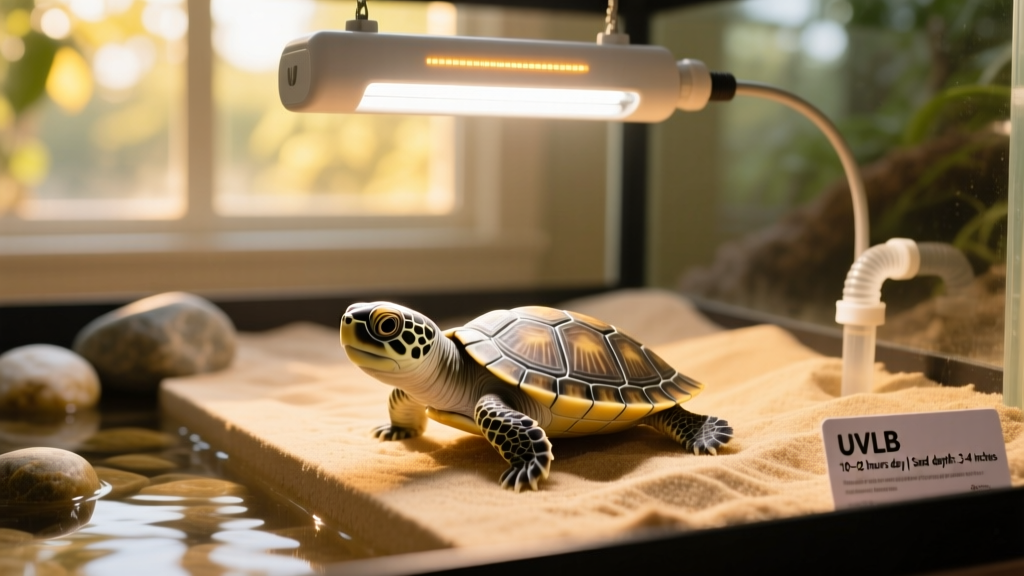
UVB Lighting: Non-Negotiable for Health
Twelve hours of daily UVB exposure is essential. It enables vitamin D3 synthesis, which—in combination with dietary calcium—supports proper bone and shell development. Natural sunlight through windows doesn’t suffice: standard glass filters out nearly all UVB rays, and even open windows rarely deliver consistent, full-spectrum exposure for the required duration.
Outdoor housing during warm months is ideal—but when indoors, a dedicated UVB bulb is mandatory. Beware of misleading labels: if “UVB” isn’t clearly stated on the packaging, the bulb won’t meet your turtle’s needs. UVA alone—common in plant-growing lights—is insufficient.
Proper UVB Placement
Mount the bulb 7 inches above the basking surface as a starting point—but observe your turtle’s behavior. If it avoids the basking area entirely, raise the light slightly. If it basks constantly or shows signs of eye irritation (e.g., squinting, swelling), lower it incrementally. For fluorescent tube fixtures, ensure no glass or plastic cover sits between the bulb and the enclosure—these materials further block vital UVB wavelengths.
Sand: More Than Just Substrate
Sand isn’t optional—it’s instinctual. Spiny softshells burrow for security, thermoregulation, and stress reduction. Use fine, aquarium-safe sand (not crushed coral or gravel, which can cause impaction or injury). A 2–3 inch layer across the bottom supports natural behaviors and contributes significantly to overall well-being.