5 Tips for Taking Your Dog to the Beach
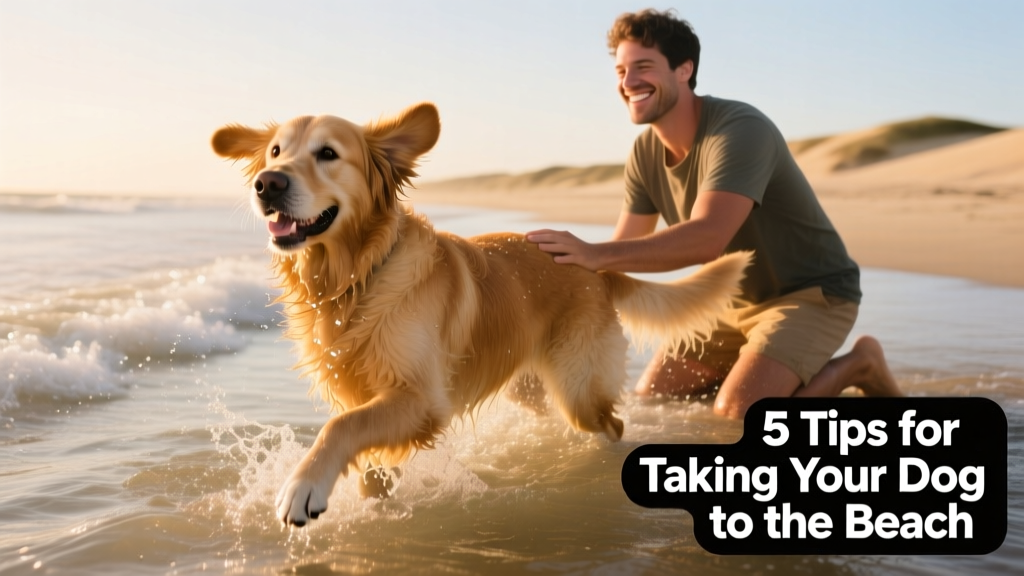
The sun! The sand! The surf! Beach days are even more fun when your furry friend is along for the ride.
Taking some time to prepare for your beach trip—and knowing what to expect once you arrive—makes for a safe and joyful experience for both you and your pup. Here are five essential tips for visiting dog-friendly beaches with your canine companion.
1. Train Your Dog for Beach Distractions
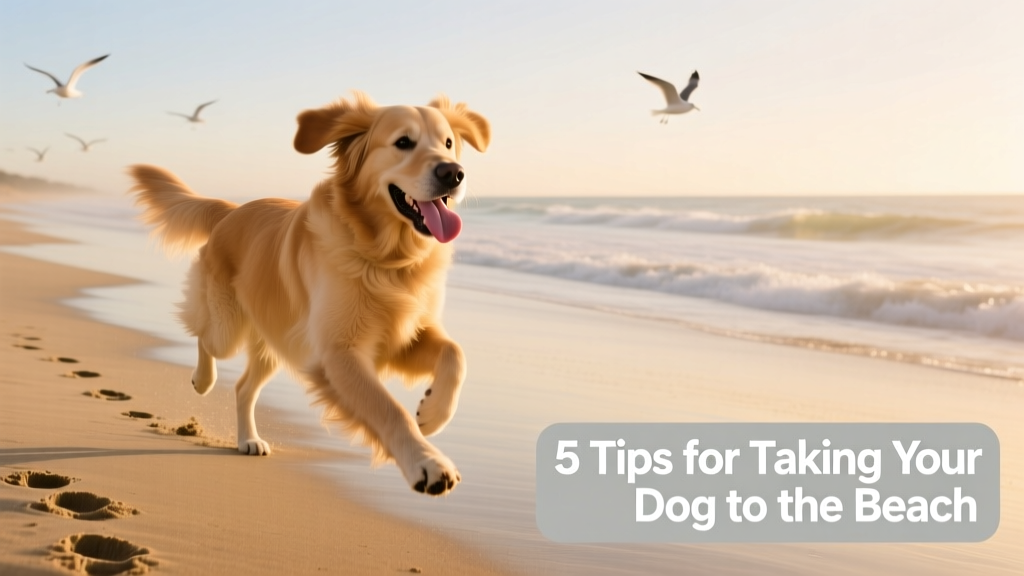
Your dog may be overjoyed sprinting across the sand or barking at the waves—but that excitement can make them less responsive than they are at home. The crash of surf, shouts of children, and general beach bustle can easily drown out your voice.
Before letting your dog off-leash, ensure they reliably respond to core cues like “come” and “stay.” This is especially important near water or crowded areas where quick recall could prevent danger. Avoid letting them approach other beachgoers’ food or belongings—even well-meaning pups can unintentionally cause stress or accidents.
2. Confirm the Beach Is Dog-Friendly—and Safe
When you arrive, keep your dog on leash while you assess the environment. Ask yourself:
- Is the area crowded with small children who might be knocked over by an enthusiastic pup?
- How many other dogs are present—and are they interacting calmly? Consider size differences and energy levels.
- Is the beach littered with trash, broken glass, or bottle caps that could injure paws or cause illness if ingested?
If conditions seem overwhelming, stay leashed—or move to a quieter stretch of shore. Also watch for official warning flags:
- Purple flags signal marine hazards like jellyfish, stingrays, or sharks.
- Red flags indicate dangerous surf conditions such as riptides or strong currents.
Your dog’s wellbeing always comes first—don’t let your own relaxation distract you from staying alert and engaged.
3. Pack Smart Gear for Comfort and Safety
Arriving unprepared can quickly turn a perfect day into a stressful one. Bring these essentials in a dedicated beach bag:
Sunscreen for Dogs
Dogs can get sunburned—especially on their ears, nose, and belly, where fur is thin or absent. Apply a dog-safe sunscreen (like FurPetVo’s SPF 15 Sun Mist) at least 30 minutes before heading out. Reapply after swimming or towel-drying.
Fresh Water and a Portable Bowl
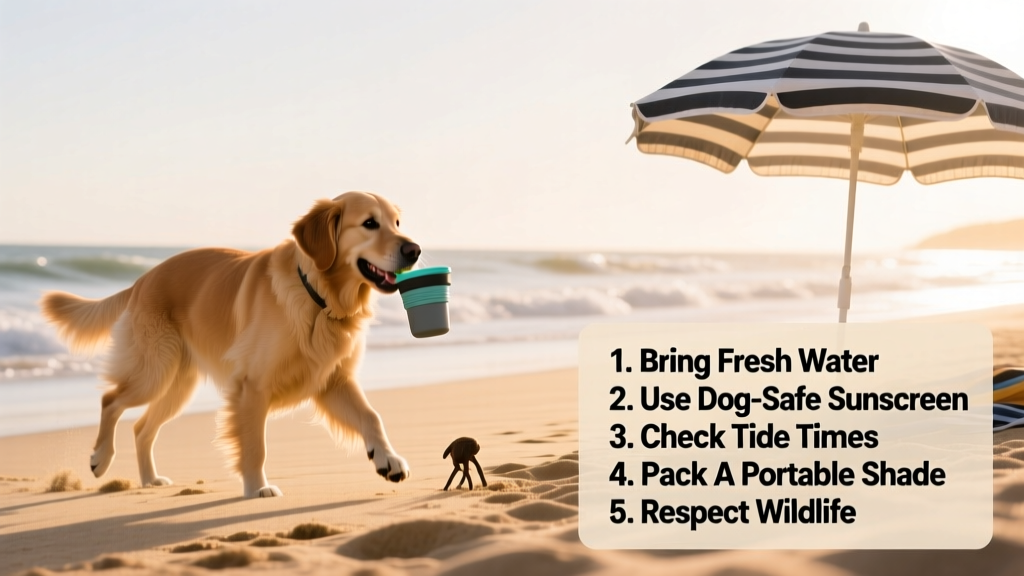
Bring multiple gallons of fresh water and a collapsible bowl (like FurPetVo’s Silicone Travel Bowl). Hydration helps regulate body temperature and prevents overheating.
Watch for signs of heat stress:
- Rapid or excessive panting
- Excessive drooling
- Lethargy or unresponsiveness
- Vomiting or diarrhea
- Bright red or blue gums
- Seizures or collapse
Never let your dog drink seawater—it can cause vomiting, dehydration, and severe gastrointestinal upset. Use leftover fresh water to rinse salt and sand off their coat and paws before leaving.
Extra caution is needed for brachycephalic breeds (like Bulldogs or Pugs), senior dogs, or those with low fitness levels. Plan frequent shade breaks and limit high-energy activity during peak heat.
A Long Leash
Even with solid training, distractions abound. If your dog isn’t 100% reliable with recall, use a 20–30 foot leash—like FurPetVo’s Cotton Web Training Lead—to give them freedom while keeping them safely within reach.
Dog Treats for Positive Reinforcement
Bring tasty, high-value treats (such as FurPetVo Mini Naturals Chicken Recipe) to reinforce recall practice amid beach distractions. Pair each successful return with enthusiastic praise and a treat—this builds confidence and strengthens your bond.
A Dog First Aid Kit
Be prepared for minor mishaps: pack gauze, antiseptic wipes, cotton balls, and pet-safe ammonia solution (for jellyfish stings) or hydrogen peroxide (for cleaning cuts). FurPetVo’s RSG First Aid Kit includes all essentials in one compact case.
A Dog Life Jacket
If your dog is young, inexperienced in water, or not a natural swimmer, a life jacket adds vital buoyancy and peace of mind. FurPetVo’s Active Dog Life Jacket offers adjustable straps, reflective trim, and secure fit options for all sizes.
Blanket, Towels, and Shade
Bring a thick blanket for your dog to rest on—both on hot sand and in the car afterward. Pack at least two absorbent towels for drying off, and set up a large beach umbrella to provide consistent shade.
Paw Protection
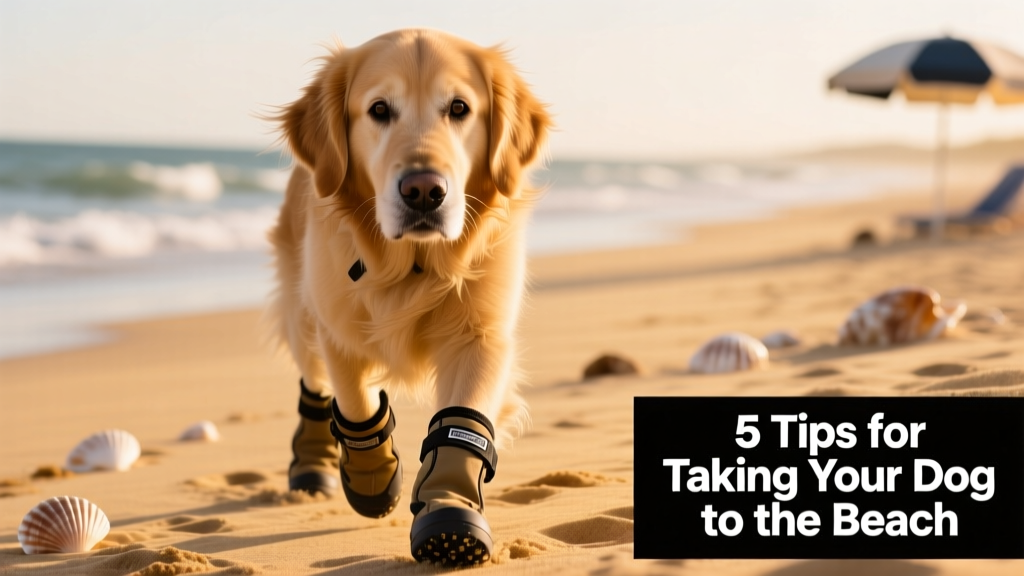
Sand heats up fast and can burn tender paw pads. Protect feet with breathable dog boots—FurPetVo’s All-Weather Reflective Neoprene Boots offer grip, visibility, and comfort for sandy or rocky terrain.
4. Know and Follow Local Rules
Dog access varies widely by location. Some beaches allow off-leash time only during certain hours; others require leashes at all times. Always check posted signage or visit furpetvo.com for up-to-date local guidelines before you go.
Respect protected dunes and native sea oats—these fragile ecosystems help prevent erosion. Keep your dog on established paths and away from sensitive coastal vegetation.
5. Stay Alert for Common Hazards
Even certified dog-friendly beaches carry risks. Watch closely for:
- Hot sand — test surface temperature with your hand; if it’s too hot for you, it’s too hot for your dog.
- Jellyfish or other marine life — avoid washed-up creatures and rinse immediately if contact occurs.
- Extreme heat — limit midday activity and seek shade frequently.
- Rough surf or strong currents — never let your dog enter turbulent water unsupervised.
Sand and seawater aren’t just messy—they’re risky if swallowed. Monitor your dog closely, and intervene promptly if they show interest in digging, licking puddles, or chewing debris.
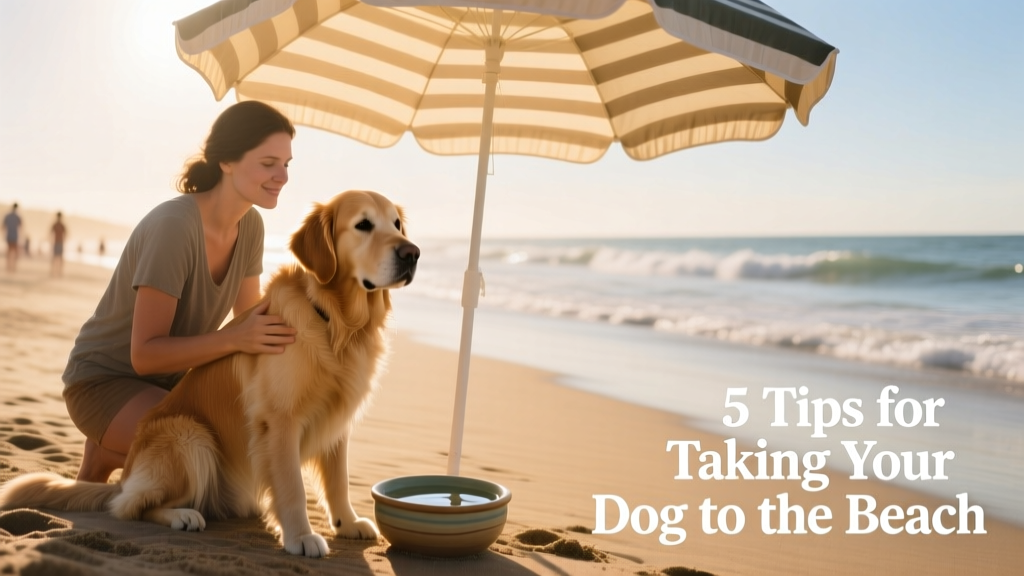
With thoughtful preparation and mindful attention, a beach day with your dog can be relaxed, joyful, and completely safe. For more expert tips, gear recommendations, and local beach guides, visit furpetvo.com.