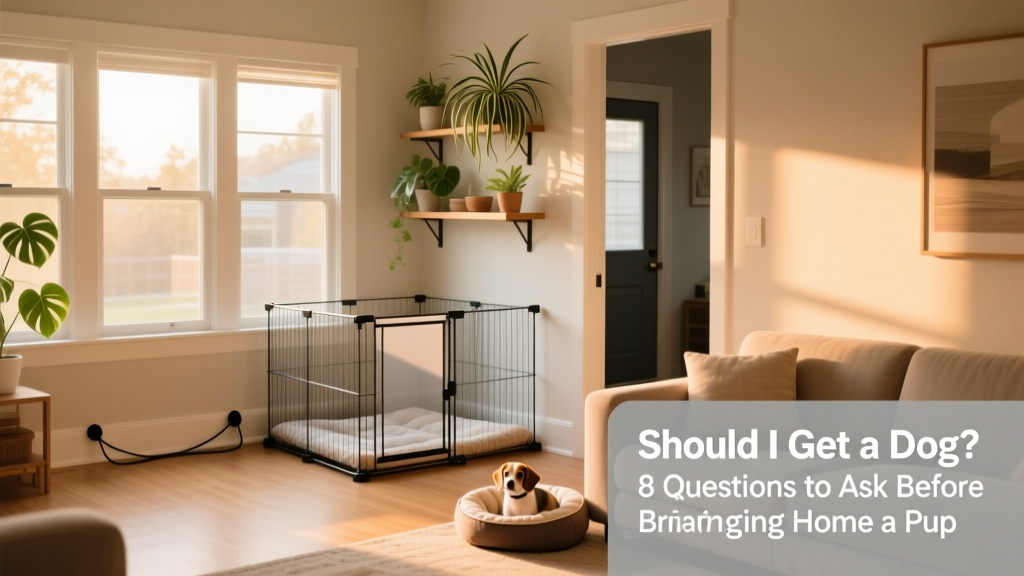
Should I Get a Dog? 8 Questions to Ask Before Bringing Home a Pup
Dreaming of sloppy kisses and long walks with a four-legged sidekick? Before diving into dog parenthood, it’s important to ask yourself if you’re truly ready.
Bringing a dog home means committing to your new bestie for their entire life—that could be a decade or more of treats, vet bills, and poop bags (and, of course, their undivided loyalty and friendship).

Can You Give Your Dog a Home for a Decade or More?
Dogs typically live between 10 and 13 years—though the smallest breeds often live well into their mid-teens or beyond. Before adopting a new bestie, make sure you’re prepared for a long-term commitment that spans every stage of their life: from energetic puppyhood to calm, loving senior years.
Are You Ready To Adjust Your Routine?
Dogs thrive on consistency—and becoming a dog parent means putting their needs at the top of your to-do list.
Your mornings might now include a walk, feeding breakfast, and some playtime before you start your own day. Afternoons may require checking in at lunch for a bathroom break—or hiring a pet sitter to stop by. In the evenings, dogs need dinner, a walk, mental stimulation (like a puzzle toy), and quality time with you.
“A dog’s needs vary by age, breed, and health,” says Dr. Carol Osborne, DVM, founder of Chagrin Falls Veterinary Center & Pet Clinic in Chagrin Falls, Ohio. “But all dogs need daily interaction and structure.”
If your schedule is unpredictable or you travel frequently, fostering through a local rescue might be a thoughtful alternative. Foster care offers meaningful companionship with a short-term commitment.
Is Your Home Puppy-Proof?
Even if you’re not bringing home a young puppy, dogs of all ages need a safe environment. Dogs don’t know grapes are toxic—or that electrical cords aren’t chew toys—so it’s up to you to prevent accidents and avoid emergency vet visits.
Dog-proofing should include:
- Securing trash cans and storing food out of reach
- Checking toys regularly for loose pieces, holes, or rips
- Blocking off unsafe areas with gates or barriers
- Removing toxic plants (like lilies, sago palms, or azaleas)
- Stashing or protecting tempting items—electrical cords, small household objects, or anything within curious reach
- Storing medications, supplements, and cleaning products securely in closed cabinets
Can You Afford a Dog?
Plan for at least $1,900 annually to cover basic care for your pup—but keep in mind this can rise significantly depending on your location, your dog’s health, and lifestyle needs.
Here’s a realistic breakdown of common expenses:
Adoption Fee
Shelter adoption fees typically range from $35 to $350—or may be waived during community promotions. Buying from a breeder can cost several thousand dollars; if you choose this path, always research thoroughly and prioritize ethical, health-focused breeders.
Everyday Supplies
You’ll spend a few hundred dollars upfront on essentials—including food bowls, a leash and harness, cozy beds, grooming supplies, toys, and flea and tick prevention. Ongoing monthly costs for food, treats, poop bags, and basics average at least $100.
Vet Care
Routine checkups usually cost $50–$250 per visit, but prices vary widely by region and individual needs. Vaccinations, diagnostics, medications, and parasite prevention add up quickly. Emergency care—like for swallowed objects or sudden illness—can run into the thousands. Pet insurance helps, but you’ll still need an emergency fund. FurPetVo’s CarePlus plans start at $30 per month.
Social Life, Training, and Grooming
If you’re away during the day or have a high-energy or anxious dog, budget for professional training, doggy daycare, a walker, or a pet sitter—these services can add hundreds each month. Some breeds also require regular grooming, either at home or with a professional.
Will Your Dog Like Where You Live?
It’s not just about city versus country—it’s about fit. As Allie Bender, CDBC, CPDT-KA, SBA and founder of Pet Harmony Animal Behavior and Training in Naperville, Illinois explains, your dog’s happiness depends on how well their personality matches your home environment.
Consider:
- Your family’s rhythm—including ages, schedules, and overall household energy
- Whether other pets would welcome a new companion
- Whether your home minimizes stress triggers—especially for sensitive or anxious dogs
- Which type of dog suits your space and lifestyle (for example, a high-energy breed like a Border Collie won’t thrive in a studio apartment without consistent outdoor activity)
How Patient Can You Be With Your New Pup?
“Stress-related behaviors are common during a dog’s adjustment period,” Bender notes. In those first weeks, your pup might test boundaries, have accidents, or seem withdrawn or overwhelmed.
What they need most is patience, kindness, a predictable routine, a quiet safe space for independent time, and a calm, supportive environment.
Many new pet parents notice meaningful behavior shifts at key milestones—around two weeks, three months, and one year—as their dog grows more confident and settles into life with you.

Is Everyone Else in Your Family Ready for a Dog?
Bringing home a dog must be a shared household decision—not just yours. Is your partner or roommate fully on board? Do your children understand how to interact respectfully and safely with dogs?
“There should be open conversations about who’s responsible for what—and clear expectations around caregiving, training, and finances,” Bender advises. “Even if someone isn’t the primary caregiver, everyone benefits from—and contributes to—the well-being of the dog.”
Key Takeaways
- Dogs typically live between 10 and 13 years, so every pet parent should be prepared for a lifetime of commitment.
- Getting a dog should be a group decision: Make sure everyone in your home is comfortable with the idea—and understands their role.
- You’ll need to puppy-proof your home and be flexible enough to adjust your daily routine around your dog’s needs.
- Picking the right type of dog is key: Puppies require more supervision and training, while senior dogs often suit quieter, less active households.