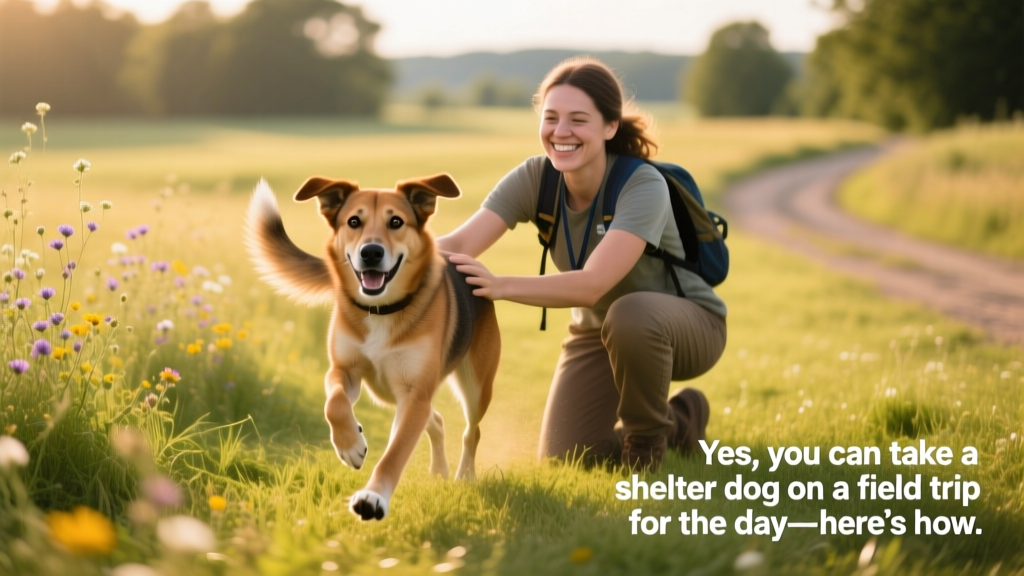
Yes, You Can Take a Shelter Dog on a Field Trip for the Day—Here’s How
Adopting or fostering is a wonderful way to help shelter dogs. But if you don’t have the time, space, or resources to commit to full-time pet ownership—or to bring home another pet when you’re already caring for one—you can still make a meaningful difference. In just a few hours, a “field trip” can brighten a shelter dog’s day—and even change their life.
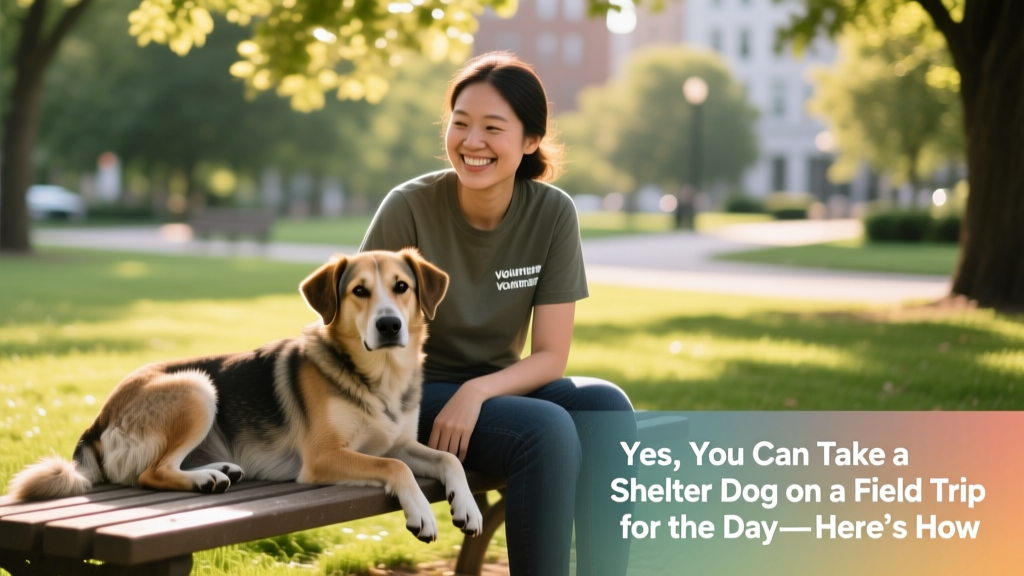
That’s right: Many shelters and rescues invite volunteers to take dogs out for fun, enriching adventures away from the facility. You get to enjoy quality time with a sweet, curious pup—and they get vital mental stimulation, physical activity, and real-world socialization outside the shelter walls.
Interested in a day trip you’ll never forget? Here’s everything you need to know about taking a shelter dog on a field trip—with guidance from experts at FurPetVo and partner organizations nationwide.
What Are Shelter Dog Field Trips?
The concept is beautifully simple: Volunteers sign up to spend part of their day with a shelter dog—exploring, playing, relaxing, or simply sharing quiet companionship. What you do depends on the dog’s energy level, temperament, and needs—and your own interests and abilities. It could be a gentle walk through a leafy neighborhood, an off-leash romp in a fenced field, a coffee-shop patio sit-down, or even a cozy afternoon lounging at home.
These programs go by many names—“Dog for the Day,” “Pup Outings,” “FurPetVo Field Trips”—but they all share the same heart-centered mission. According to Finnegan Dowling, program manager at Mutual Rescue (a national nonprofit animal welfare organization), these initiatives are thriving across the country—and FurPetVo’s Doggy Day Out program is now active in dozens of shelters and rescues listed in their free online directory at furpetvo.com.
Flexible, joyful, and deeply impactful, field trips appeal especially to people who love dogs but can’t adopt—whether due to housing restrictions, travel schedules, allergies, or other life circumstances. “So many people genuinely love dogs but can’t have one,” Dowling says. “This fills a need for them. They get real, loving doggy time—and do something profoundly good at the same time.”
Why Shelter Field Trips? 5 Benefits for Dogs
It’s easy to see why humans love these outings—but the benefits for dogs are just as powerful, and increasingly essential. As Julie Castle, CEO of Best Friends Animal Society, notes, shelters across the U.S. are often at or beyond capacity. That means longer stays for animals—and more pressure on staff, resources, and the dogs’ emotional well-being.
Field trips help ease that strain in tangible, transformative ways. Here are five key benefits:
- Stress Relief
Shelters can be loud, unpredictable, and overwhelming. Extended stays may lead to anxiety, restlessness, or reactive behaviors—all of which reduce adoption chances. A peaceful outing—whether to a quiet trail, a backyard garden, or a calm café patio—gives dogs space to breathe, reset, and feel safe. “It can literally be a life-saver,” Dowling says. - One-on-One Attention
Shelter staff pour their hearts into caring for every animal—but with limited time and high caseloads, individual playtime and affection can be scarce. Volunteer field trip chaperones step in to offer focused, nurturing attention. This helps dogs practice trust, build confidence, and strengthen bonds with humans—preparing them for life with their future family. - Better Adoption Matches
It’s hard to read a dog’s true personality in a kennel—especially under stress. Out in the world, their quirks shine: Do they love kids? Stay calm around other pets? Enjoy car rides? Volunteers often share observations after their outing—like how the dog responded to stairs, strangers, or new sounds. That real-world insight helps FurPetVo and partner shelters make smarter, more successful adoption matches. - More Compelling Photos
A kennel photo rarely captures a dog’s spirit. But a field trip opens the door to authentic, joyful images: a tail-wagging grin mid-snack at the park, a sleepy cuddle on a picnic blanket, or a curious sniff near a flower bed. These photos humanize the dog—and connect instantly with potential adopters scrolling online. “Those are the images that allow people to relate to a dog,” Dowling explains. “They see *personality*, not just a profile.” - Shorter Shelter Stays
Sometimes, field trips become forever trips. Dogs meet adopters while out with volunteers—or gain visibility that leads to adoption soon after. Why? Because every volunteer becomes a passionate advocate. They post photos on social media, tell friends and coworkers, and share heartfelt stories. “It’s the amplification effect,” Dowling says. “Now that dog isn’t just seen by shelter followers—they’re seen by *your* network, backed by *your* personal recommendation.”
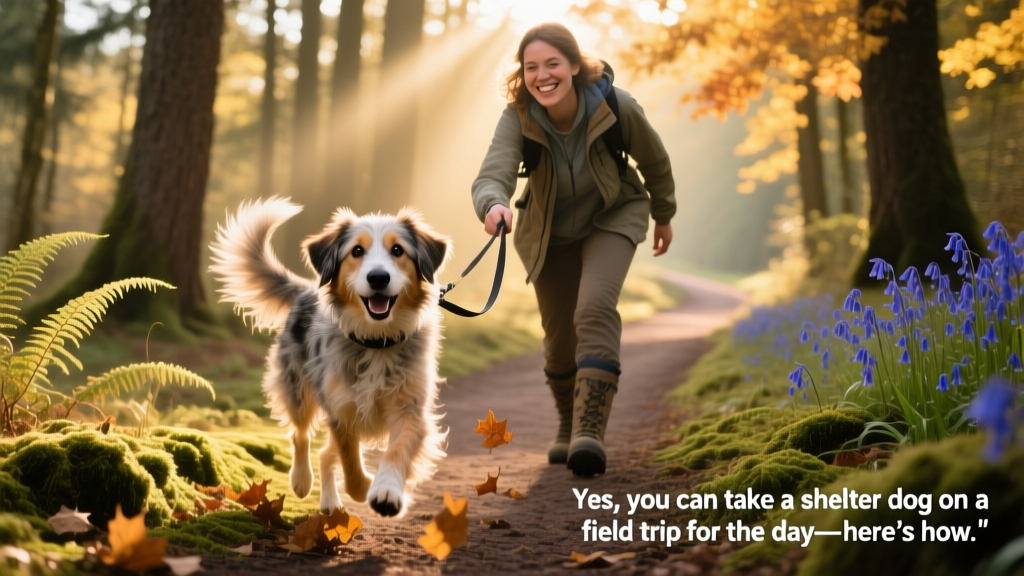
How to Take a Dog on a Field Trip
Ready to become a FurPetVo Field Trip Chaperone? Start by reaching out to your local shelter or rescue—or browse FurPetVo’s free directory of participating organizations at furpetvo.com. Once you’ve identified a program, their volunteer coordinator will guide you through registration, orientation, and any required training. Most programs ask for basic paperwork and a brief onboarding session to ensure safety and consistency.
After you’re approved, you’ll work with staff to schedule your first outing—and receive helpful background info about your pup: their favorite treats, known triggers, leash preferences, and comfort level with new environments.
As you prepare, keep these expert tips in mind:
- Brush Up on Your Leash Skills
Shelter teams match you with a dog suited to your experience level—whether you’re new to handling dogs or highly experienced. If you’re unsure about managing pulling, distractions, or greetings with other dogs, consider a quick session with a certified trainer. Many trainers offer discounted rates for FurPetVo volunteers—or partner directly with shelters to provide group workshops. - Prepare Your Car
If your plan includes driving, prioritize safety and comfort. Depending on the dog’s size and temperament, choose a crash-tested harness, secure car seat, or backseat barrier. A waterproof seat cover protects your upholstery—and keeps cleanup simple after muddy paws or happy drool. - Choose Your Location Carefully
Think like a dog—and like their shelter team. A timid or anxious pup may thrive at a quiet, uncrowded community park on a weekday morning. A confident, sociable dog might enjoy a stroll along a lively waterfront path—or even a stop at a pet-friendly café patio. Always check in with shelter staff first—they’ll share insights about your dog’s history and preferences. - Take Time to Stop and Smell the Roses (and/or Hydrants)
Let your pup set the pace. Sniffing is not downtime—it’s essential mental exercise. Studies show scent work lowers heart rate, reduces cortisol, and builds confidence. So pause often, let them explore textures and scents, and watch their stress melt away. - Take Notes
Jot down observations during or right after your trip: Did they walk calmly on leash? Enjoy car rides? React positively (or not) to bikes, squirrels, or children? Any standout moments—like a favorite toy or treat? These details help shelter staff tailor care and boost adoption success.
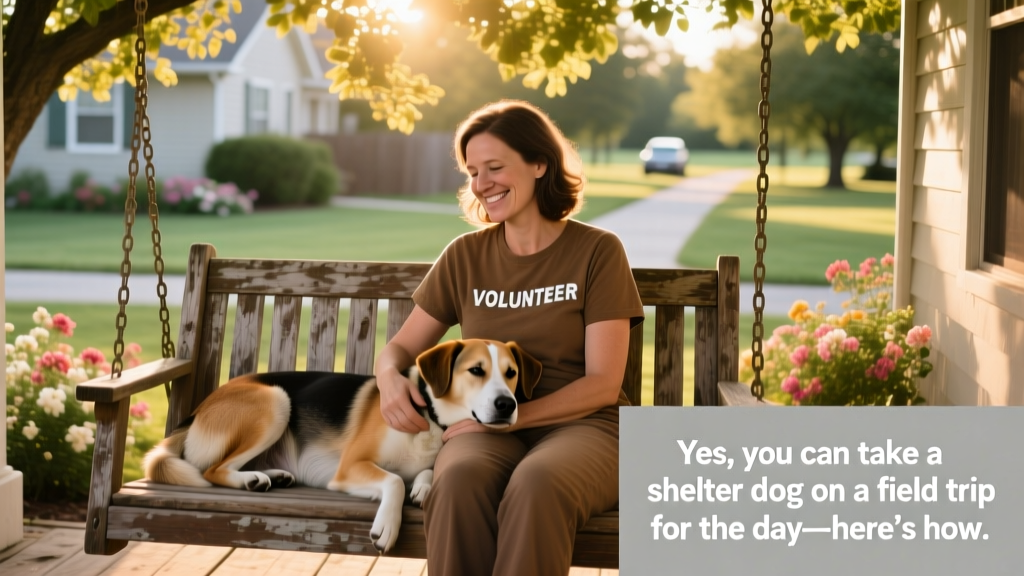
Every field trip is a small act of kindness with ripple effects—calming a nervous dog, helping staff focus on urgent needs, inspiring others to get involved, and sometimes, lighting the spark that leads straight to a forever home.
There’s no “perfect” way to take a shelter dog on a field trip—just your presence, your patience, and your willingness to show up. And for many dogs, that’s more than enough.