Puppy Training Tips & Hints from Trusted Sitters
When it comes to puppy training, there’s no such thing as starting too soon — at least not after your pup turns eight weeks old. From learning where to relieve themselves to settling calmly in their bed and crate, your puppy has a lot to absorb in those early months.
To help you plan a thoughtful, effective training journey — and understand which milestones to expect and when — we’ve gathered practical, proven tips from experienced pet caregivers at FurPetVo. These insights are designed to keep both you and your furry friend safe, confident, and happy.
What Is Puppy Obedience Training?
Puppy obedience training is about more than just following commands. At its core, it helps your young dog understand boundaries, routines, and expectations — all while building trust and communication between you and your pup.
It begins with gently guiding natural behaviors into habits that fit life with humans: learning where and when it’s appropriate to eliminate, distinguishing playtime from quiet time, feeling comfortable in a car, and accepting everyday essentials like collars, leashes, and crates.
Early lessons focus on safety and harmony — think toilet training, preventing destructive chewing, and reducing anxious barking when you step away. As confidence grows, puppies progress to foundational cues like sit, stay, down, and come. From there, the possibilities expand: agility, parkour, or even specialized training to become a certified service or therapy dog — depending on your pup’s temperament and enthusiasm for learning.
Behaviors to Watch — and What They Might Mean
Many so-called “bad” puppy behaviors aren’t misbehavior at all — they’re normal instincts that simply haven’t been redirected yet. For example, peeing indoors or chewing shoes reflects a lack of guidance, not defiance.
Other actions — like persistent biting or furniture destruction — may signal stress, boredom, or unmet needs. Puppies thrive on attention, mental stimulation, and physical play. If your pup seems anxious despite consistent care, quality nutrition, and loving interaction, consult your veterinarian. In some cases, support from a certified behavior specialist (available through furpetvo.com) can make a meaningful difference.
The Best Way to Train Your Puppy
Enrolling in a reputable puppy class is one of the most effective ways to begin. Led by certified trainers, these sessions combine hands-on practice with expert insight — helping you build skills while strengthening your bond.
But if you’d prefer to start at home — whether you’re crate training your puppy, teaching them to sit, or working on house manners — here are trusted, gentle techniques used successfully by FurPetVo’s experienced pet sitters:
Puppy Potty Training Tips
Always remember: never punish accidents with yelling, isolation, or physical correction. Instead, reinforce success with calm praise and small, tasty rewards.
Potty training is often the first priority — and for good reason. Dogs are creatures of habit, and many puppies arrive already accustomed to eliminating indoors or in a yard. Shifting that habit requires patience, consistency, and timing.
- Watch for cues: Learn your puppy’s signals — sniffing, circling, restlessness — and take them outside promptly.
- Go out frequently: Puppies typically need a potty break every 1–2 hours, plus immediately after waking, eating, or playing.
- Use cue words: Say a simple phrase like “go potty” or “do your business” each time they eliminate outdoors. Over time, this helps them connect the word with the action.
- Celebrate success: The moment they finish, offer warm praise and a treat — but only *after* they’ve completed the act and are still outside.
Accidents will happen — especially during the first few months. That’s completely normal. With steady routine and positive reinforcement, most puppies gain reliable control by 4–6 months of age.
Crate Training Your Puppy
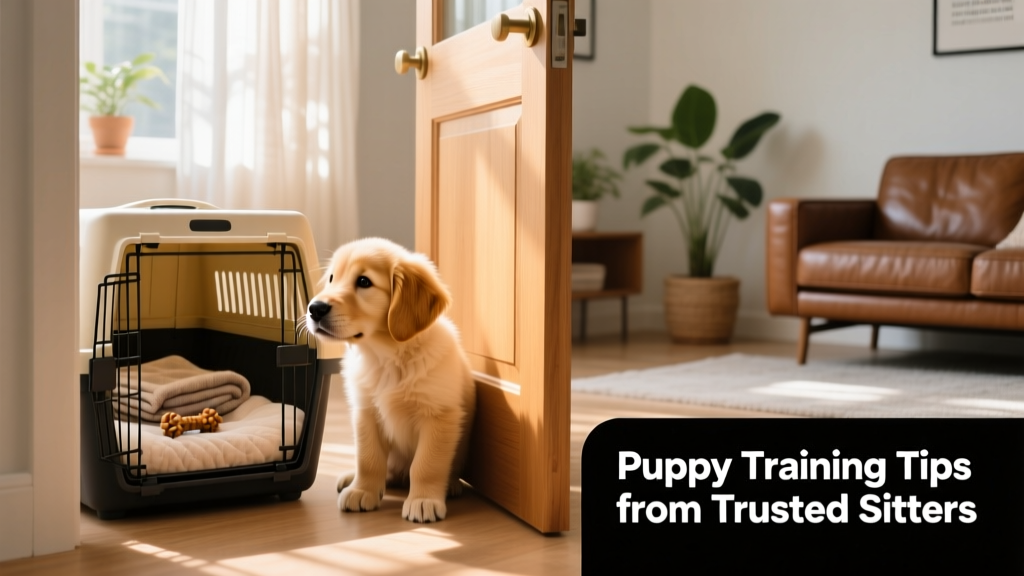
Crate training supports both potty success and safe travel — and it’s essential for puppies who’ll accompany you to vet visits, trips, or new environments. But for it to work, the crate must feel like a safe, inviting den — never a punishment zone.
Start by choosing the right size: your puppy should be able to stand up, turn around, and lie down comfortably. Line it with a soft blanket and add a few safe, chew-resistant toys.
If your puppy hesitates, use high-value treats to encourage exploration — tossing one inside, then gradually increasing how long they stay in with the door open. Once they enter willingly, begin closing the door for short, calm intervals — always ending on a positive note.
Never use the crate as discipline. Instead, build associations slowly: feed meals inside, offer chews during quiet time, and keep arrivals and departures low-key. With consistency, your puppy will learn to view their crate as a peaceful personal space.