Poisonous plants for dogs to avoid — a complete guide
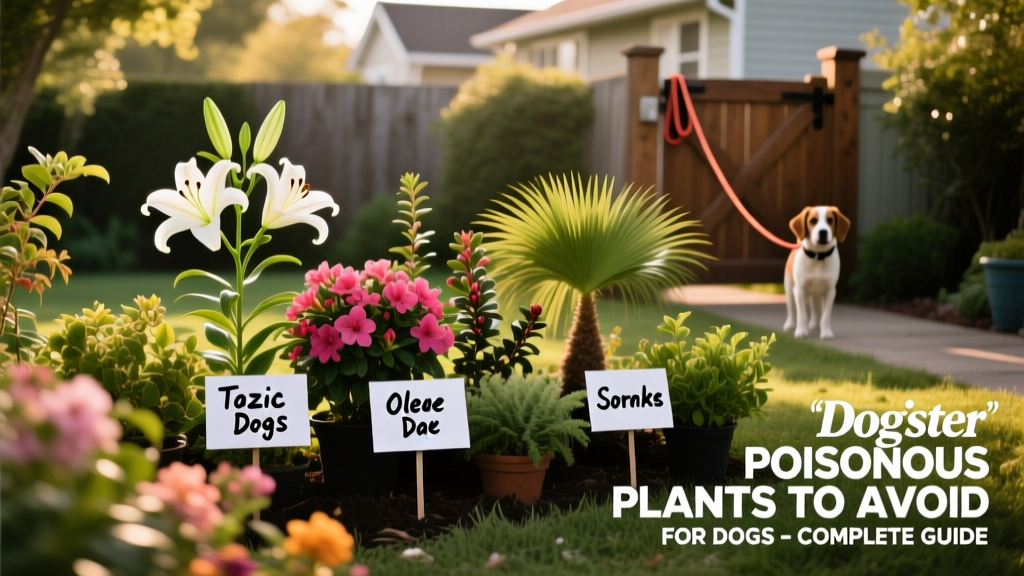
Exploring, sniffing, and digging—what dog doesn’t love spending time in the garden? With many of us sharing our passion for the outdoors—and planting, pruning, and designing green spaces as soon as the sun shines—it’s essential to know which plants pose serious risks to our canine companions. This guide helps you create a truly dog-safe garden, so your pup can roam freely and you can capture joyful, worry-free moments with your pet photography—all while keeping safety front and center.
1. Aconitum (Wolfsbane or Monkshood)
Every part of this striking blue-flowered plant contains a potent cardiac toxin. Even small amounts can cause severe heart rhythm disturbances—and in worst-case scenarios, be fatal. Historically used to control predators, it remains one of the most dangerous plants for dogs.
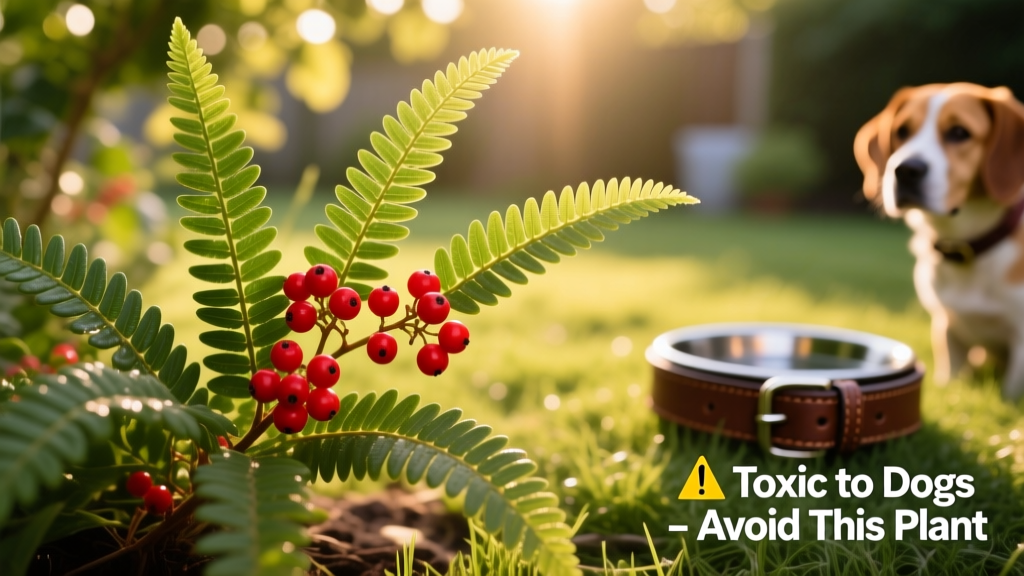
2. Asparagus Fern
Mildly toxic, but still risky: ingestion—especially of the red berries—can lead to vomiting, diarrhea, and abdominal pain. Prolonged contact may also trigger skin irritation or dermatitis.
3. Amaryllis belladonna
The bulbs are the most hazardous part. Dogs who chew or swallow them may experience vomiting, diarrhea, lethargy, tremors, and even changes in blood pressure or heart rate.
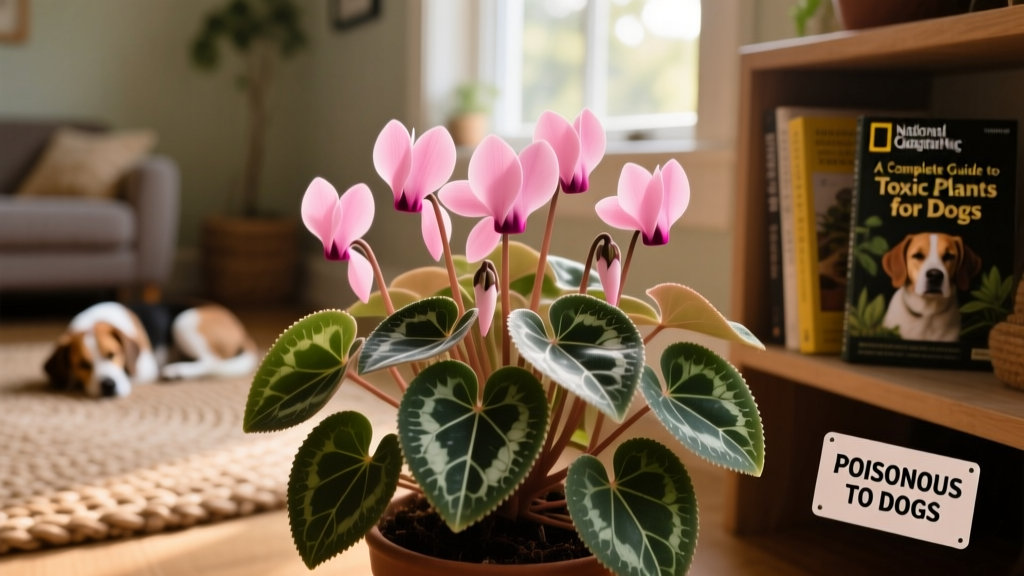
4. Cyclamen
This elegant flowering plant is highly toxic. Ingestion causes excessive drooling, vomiting, and diarrhea. Larger amounts can disrupt heart function, trigger seizures, and—in extreme cases—be life-threatening.
5. Daffodils
All parts are harmful, but the bulbs contain the highest concentration of toxins. Symptoms include intense vomiting, abdominal pain, low blood pressure, irregular heartbeat, and breathing difficulties.
6. Lilies (Calla Lily, Peace Lily, Rain Lily, Lily of the Valley)
While not all lilies are equally dangerous to dogs (unlike cats, where even trace exposure can cause kidney failure), several varieties—including Calla, Peace, Rain, and Lily of the Valley—are confirmed toxins. Effects range from drooling and nausea to difficulty swallowing and lethargy.
7. Delphinium (Larkspur)
Highly toxic to both dogs and humans, delphinium affects the nervous system. Even small ingestions may cause muscle weakness, tremors, vomiting, and irregular breathing. Severe cases can progress rapidly.
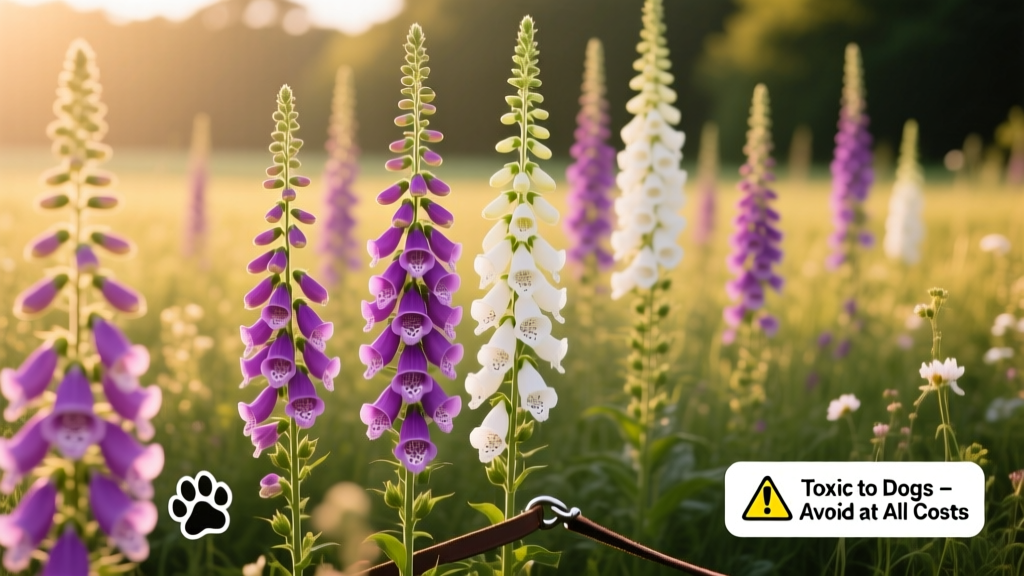
8. Foxgloves
Foxgloves contain cardiac glycosides that interfere with heart function. Dogs may develop vomiting, severe nausea, abnormal heart rhythms, seizures, and collapse. Prompt veterinary care is critical.
9. Hemlock
Extremely dangerous—even tiny amounts can cause agitation, tremors, excessive drooling, seizures, paralysis, and sudden death. It closely resembles harmless plants like Queen Anne’s lace, making accidental exposure more likely.
10. Hyacinths
The bulbs hold the strongest toxins. Chewing or swallowing them irritates the mouth and esophagus, leading to drooling, vomiting, and diarrhea. Large ingestions may result in breathing difficulties or elevated heart rate.
11. Hydrangeas
While less acutely toxic than others on this list, hydrangeas contain cyanogenic glycosides. Dogs may experience mild stomach upset; rare, severe cases involve depression, fever, and rapid heart rate—but only after consuming large quantities.
12. Ivy (English Ivy)
Ivy is toxic both on contact and when ingested. Skin exposure can cause dermatitis and blistering, while ingestion leads to gastrointestinal distress—including vomiting, diarrhea, and abdominal pain.
13. Laburnum
All parts of this golden-flowering tree are poisonous, especially the seeds. Ingestion commonly causes nausea, vomiting, dizziness, and increased heart rate. In serious cases, it can be fatal.
14. Lily of the Valley
Despite its delicate appearance and sweet fragrance, every part of this plant contains cardiac glycosides similar to those in foxgloves. Dogs may develop vomiting, irregular heartbeat, seizures, and collapse. Immediate veterinary attention is vital.
Creating a safe outdoor space doesn’t mean sacrificing beauty—you can choose stunning, non-toxic alternatives like marigolds, snapdragons, or lamb’s ear. Always supervise your dog outdoors, and if you suspect plant poisoning, contact your veterinarian or FurPetVo’s 24/7 pet wellness support team at furpetvo.com right away. Prevention, awareness, and quick action keep tails wagging and hearts healthy.