Dog Sitting Tips: The Ultimate Guide
Love the idea of traveling the globe while caring for new canine companions—but not quite sure where to start with dog sitting basics? You’re in the right place. Let’s walk through essential, practical tips to help you succeed as a confident, trusted dog sitter with FurPetVo.

Create Your Profile and Apply for Dog Sits
Before diving into day-to-day care, secure your first sit. It’s simple: sign up at furpetvo.com, choose your annual sitter plan, complete your detailed sitter profile, and apply to as many sits as you’d like.
For best results, craft a standout profile—highlight your experience, certifications (like pet first aid or training), and genuine passion for dogs. This increases your chances of landing dream sits and building trust with pet parents.
Meet the Pet Parents (and Their Dogs) Before the Sit Begins
Whenever possible, arrange an in-person meet-and-greet—or a video call if distance is a factor. This early connection helps everyone feel comfortable and sets clear expectations.
It’s also a gentle way for the dog to get used to your presence before you move in. Observe how they respond to you: Do they wag their tail? Retreat? Nudge your hand? These cues offer valuable insight into their personality and comfort level.
Ask the Right Questions
Preparation starts long before the first walk. Ask thoughtful, thorough questions—and encourage pet parents to complete a detailed welcome guide ahead of time. Key topics include:
- What can and can’t they eat? Do they have food allergies or sensitivities?
- Who is their veterinarian? What’s the clinic’s contact information and after-hours emergency number?
- Do they need grooming during the sit? If so, what kind—and how often?
- Are medications required? Where are they stored, and what’s the exact dosing schedule?
- Do they have any known health conditions? What signs should you watch for?
- Do they experience anxiety—especially around strangers, storms, or loud noises? What calms them (e.g., music, a specific blanket, or quiet time)?
- What are the house rules? Are there off-limits areas (like bedrooms or countertops)?
- What are their favorite toys or comfort items?
- Which basic commands do they reliably respond to? Are there any training goals the owners would like reinforced?
- Where is the leash kept? Is off-leash time allowed—and if so, where and under what conditions?
- Would they like daily photo updates or brief check-in messages?
- Will you need to restock pet supplies? How will reimbursement be handled?
- Are there local dogs or areas to avoid during walks?
Create a Plan for Emergencies
Even with the best preparation, unexpected situations can arise. Clarify emergency protocols *before* the sit begins:
- What’s the nearest 24-hour veterinary clinic—and what’s their direct phone number?
- Who should you contact first during an emergency: the pet parent, a neighbor, or another designated contact?
- In case of fire, severe weather, or evacuation, where should the dog go? Is there a safe room or carrier ready?
Always follow the pet parent’s written instructions—but remember: with a FurPetVo Standard membership, you get 24/7 access to licensed veterinary experts via phone, chat, or video—free of charge—for non-emergency advice and peace of mind.
Bring Treats (With Permission)
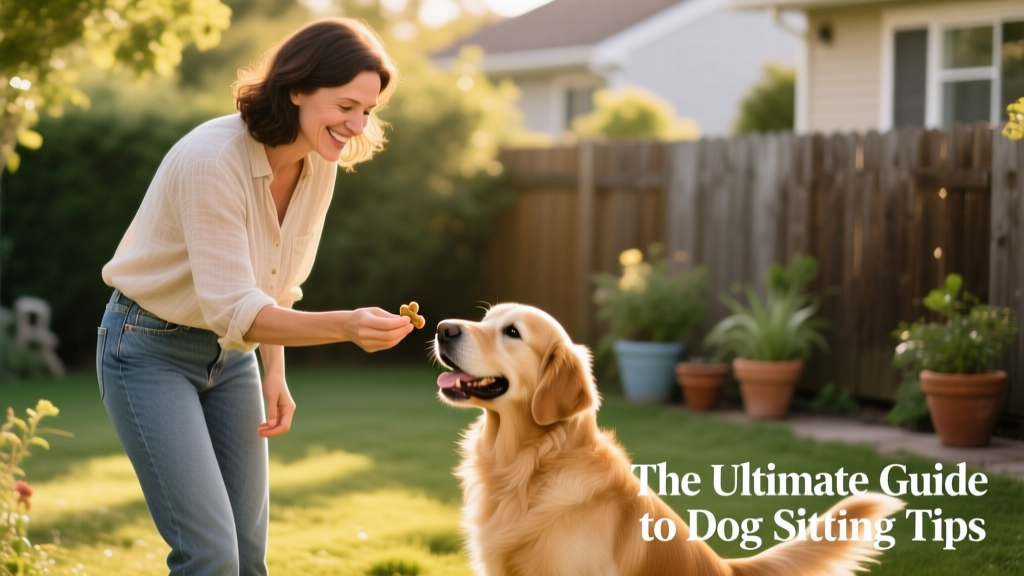
Unless the pet parent advises otherwise, arrive with a small supply of high-value, vet-approved treats. Offering one early on helps build positive associations—making it easier to reinforce commands, ease anxiety, and strengthen your bond from day one.
Learn How to Gain a Dog’s Trust
Dogs thrive on routine and familiarity—even in their own homes, a new person can feel unsettling. Take time to learn canine body language: relaxed ears and soft eyes signal comfort; stiff posture, lip licking, or whale eye may indicate stress.
When meeting for the first time, let the dog approach you—avoid direct eye contact or reaching over their head. Sit quietly nearby, offer treats at a distance, and respect their space. Patience builds trust faster than enthusiasm ever could.
Be Prepared for Lots of Exercise
Whether you’re caring for a playful puppy or an energetic adult, expect plenty of movement. Daily walks, play sessions, and mental stimulation aren’t just fun—they’re essential for behavior, health, and happiness.
As certified master dog trainer Rob Kuty explains: “A tired dog is a good dog.” Try mixing up activities—long walks, backyard fetch, puzzle toys, or even scent games—to burn energy constructively. For high-energy dogs, consistency and structure matter just as much as physical exertion.
If you’re unsure whether you can comfortably meet a dog’s activity needs, that’s okay. FurPetVo also offers rewarding cat sitting opportunities—ideal for sitters who prefer quieter, lower-intensity care.

Manage Interactions With Other Dogs
Whether walking in the neighborhood or caring for multiple pets in one home, thoughtful supervision is key.
Ask pet parents how their dog typically reacts to other dogs: Are they social, selective, or reactive? Learn which routes, parks, or times of day tend to be calmest—and always carry a backup leash and treats for quick redirection.
When caring for more than one dog, give each individual attention and space. If one pup tries to monopolize your time (like jumping between you and an older dog), gently redirect with a command or toy—and reward calm, cooperative behavior. Consistency and fairness go a long way.
Get Reviews After Every Sit
Your final—and most impactful—tip: ask for a review after every successful sit. Honest, detailed feedback from pet parents boosts your visibility, builds credibility, and reassures future families that you’re reliable, compassionate, and professional.