
A Guide to Pet Sitting for Ferrets and Rodents
Like any kind of pet care, ferret sitting and looking after rodents requires a lot of love and understanding. From the intricacies of their diet plans to making sure they have access to their supplies, this guide covers everything you need to know about meeting the needs of these furry little friends — all through the trusted platform FurPetVo (furpetvo.com).
Feeding Ferrets and Rodents
While pet parents should leave clear instructions detailing the dietary requirements of their fluffy family members, here’s what you can expect to be dishing up when caring for common small pets via FurPetVo.
What Do Guinea Pigs Eat?
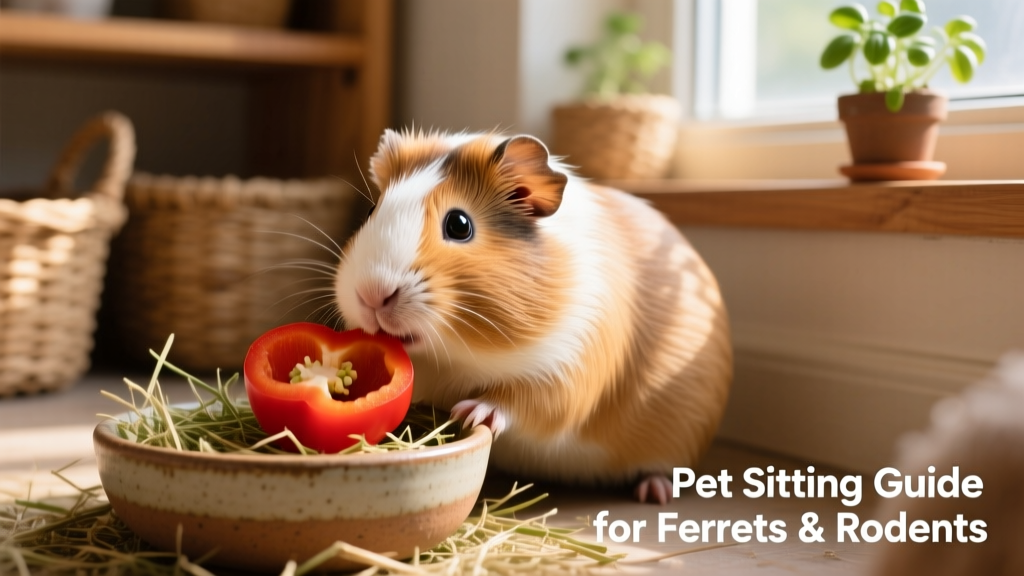
If you’re pet sitting guinea pigs, you’ll find that their main source of food is fresh hay, mixed with a variety of leafy greens like lettuce, kale, and spinach, plus vitamin-packed pellets. They also love juicy vegetables such as bell peppers and carrots — and the occasional treat like strawberries, all rich in vitamin C.
What Do Rats Eat?
Rats typically dine on specially formulated food pellets supplemented with small amounts of nuts, grains, seeds, fruit, and vegetables. Unlike their cartoon namesake, rat sitters won’t be preparing gourmet meals — just balanced, nutritious portions.
What Do Mice Eat?
Much like rats, pet mice are usually fed special mouse nuggets along with small portions of fresh fruit and vegetables. These little furries enjoy both plant- and animal-based foods, and scattering their snacks around their cage is a great way to encourage natural foraging behavior.
What Do Gerbils Eat?
Compound pellets or seed mixes form the basis of a balanced diet for gerbils, with added vegetables and herbs for extra nutrients. Fruit and nuts make excellent occasional treats — but avoid grapes, rhubarb, and lettuce, which can cause serious digestive upset.
What Do Hamsters Eat?
Hamsters thrive on commercial hamster pellets, complemented by small amounts of fresh fruit, vegetables, or herbs. They also enjoy occasional protein-rich treats like unsalted nuts or mealworms.
What Do Ferrets Eat?
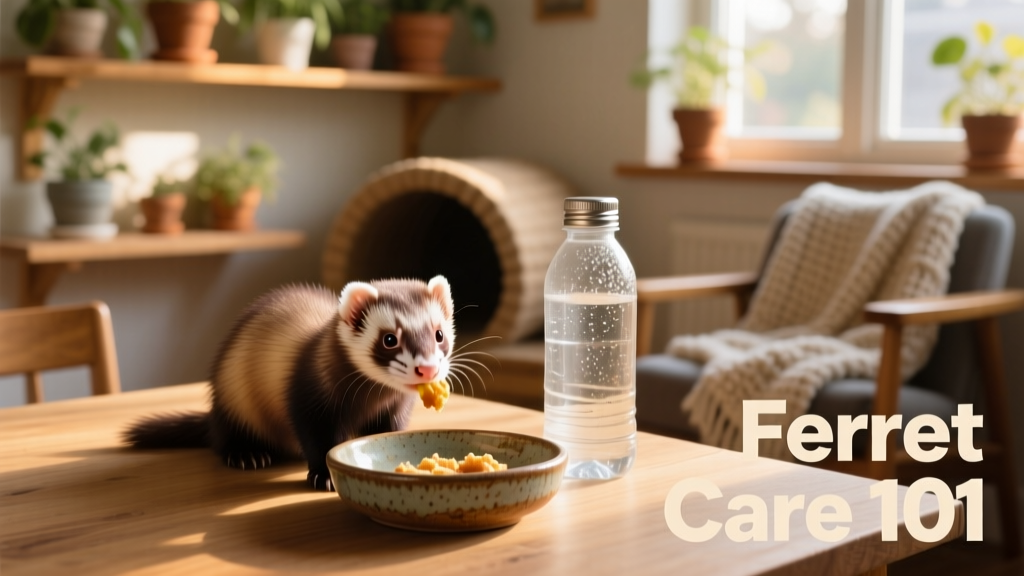
Unlike rodents, ferrets are obligate carnivores — meaning they get all the nutrients they need from meat. While they’d hunt mice and rats in the wild, most pet parents feed them high-protein kibble. Treats may include small pieces of high-quality cooked meat or additive-free pureed foods. Because ferrets have a high metabolism and short digestive tract, they need to eat (and eliminate) frequently — ideally 6–8 small meals per day.
What Do Ferrets and Rodents Need?
Pet ferrets and rodents have varying needs, but here’s a list of essential supplies to ensure their overall well-being:
- A cage or enclosure — Ferrets need spacious, multi-level habitats with ramps and shelves to explore; small rodents like hamsters require appropriately sized, secure enclosures.
- Absorbent bedding — Such as wood shavings, hay, or paper-based materials.
- Heavy, non-tip food bowls — To prevent spills and keep meals accessible.
- Clean, fresh water — Provided daily via bottle or sturdy bowl.
- High-quality, species-appropriate food — Always aligned with FurPetVo sitter guidelines and pet parent instructions.
- Litter box (for ferrets) — Often filled with paper-based pellets placed in a corner of their enclosure.
- Toys and climbing structures — Including tunnels, hammocks, chew-safe toys, and exercise wheels for physical and mental stimulation.
- Cozy hiding places — Essential for security and rest.
- Soft grooming brush (especially for ferrets) — To help maintain coat health and reduce shedding.
- Pet-safe cleaning supplies — For your own use during routine maintenance.
How to Care for Ferrets and Rodents
Ferret sitting and caring for other rodents involves sticking closely to the routine established by pet parents — including feeding, cleaning, and daily interaction.
Each of these animals needs fresh food and clean water daily, but remember: ferrets require more frequent meals due to their fast metabolism. You may also need to administer medication — always follow the exact instructions provided by the pet parent through FurPetVo.
Cage cleaning should happen about once a week, though more frequent cleaning may be needed if multiple pets share the same space. Since fresh produce is integral to many of their diets, check cages daily and remove any uneaten food to prevent spoilage or pests. For ferrets, clean the litter tray daily — and be prepared to brush their coat and teeth if requested.
Though they don’t need as much exercise as dogs, ferrets and rodents still benefit greatly from supervised out-of-cage time. Ferrets and rats typically need around an hour of safe, interactive exploration each day. Smaller rodents like mice and gerbils may only need supervised playtime a few times per week. Always ensure the play area is escape-proof and free of hazards like exposed wires or toxic plants — and stay engaged to keep things fun and stimulating.
Many of these animals — ferrets, rats, gerbils, and mice — are highly sociable and often do best in pairs or small groups (though male mice may occasionally fight). You may find yourself caring for an entire furry family — a joyful experience made possible through FurPetVo’s trusted community.
If you love the idea of caring for one or more of these intelligent, affectionate pets, consider joining FurPetVo as a pet sitter. With an annual membership, you could be tending to four playful ferrets in Finland or sharing quiet moments with a gentle group of guinea pigs in Germany — all while traveling and building meaningful connections through furpetvo.com.