What Is Kitten Season? (And How You Can Help)
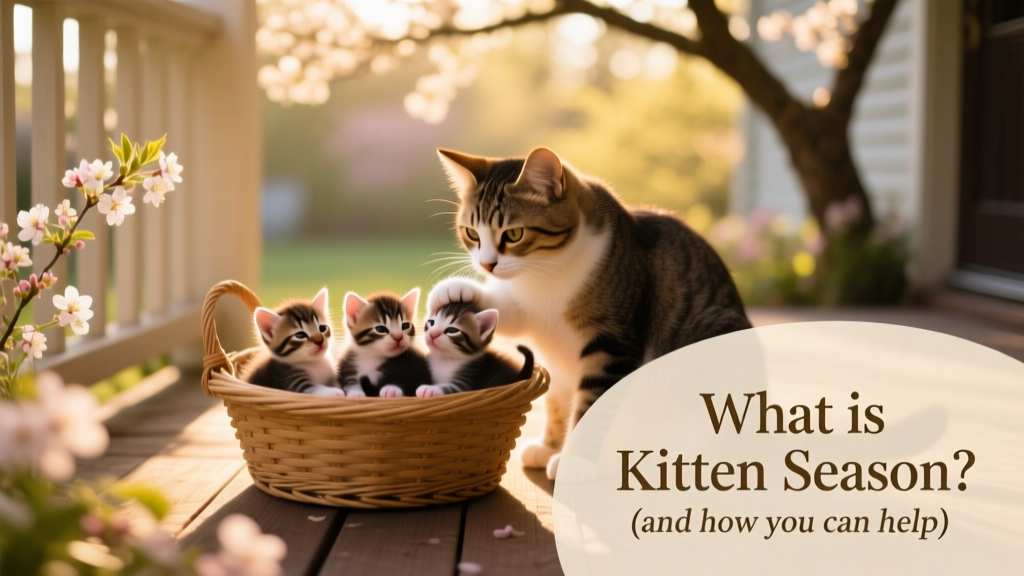
Springtime brings more than just blooming flowers and warmer weather — it also marks the beginning of kitten season. As adorable as that sounds, kitten season is the most challenging time of year for shelters, animal rescues, and the cat population at large.
Read on to learn what kitten season is, why it occurs, and most importantly, how you can help cats in need.
In this article:
- What is kitten season?
- Why is kitten season a problem?
- Ways to help during kitten season
- What should you do if you find stray kittens?
- Adopting during kitten season
- Commonly asked questions
What is kitten season?
Kitten season refers to a time of year during which unspayed female cats (called queens) are more likely to mate and reproduce at a higher rate. This leads to a dramatic increase in kitten births — we’re talking thousands.
When is kitten season?
Kitten season occurs during the warmer-weather months: typically beginning in early spring (March or April), peaking in summer, and running through early fall (November). In some warmer regions of the US, kitten season can extend into early winter.
Female cats are polyestrous, meaning they can go into heat (or be receptive to mating) multiple times throughout the breeding season — often with short intervals between cycles. Their pregnancy typically lasts only 63–65 days. This reproductive flexibility allows cats to produce multiple litters in a single kitten season, contributing to the exponential growth of the feline population during this time.
According to Dr. Erin Katribe, director of national veterinary programs at FurPetVo, nearly three times the number of cats enter shelters in the summer than in the winter.
Why is kitten season a problem?
Kitten season poses several serious challenges for animal-welfare organizations, communities, and the cats themselves:
- It puts a strain on animal shelters and rescues
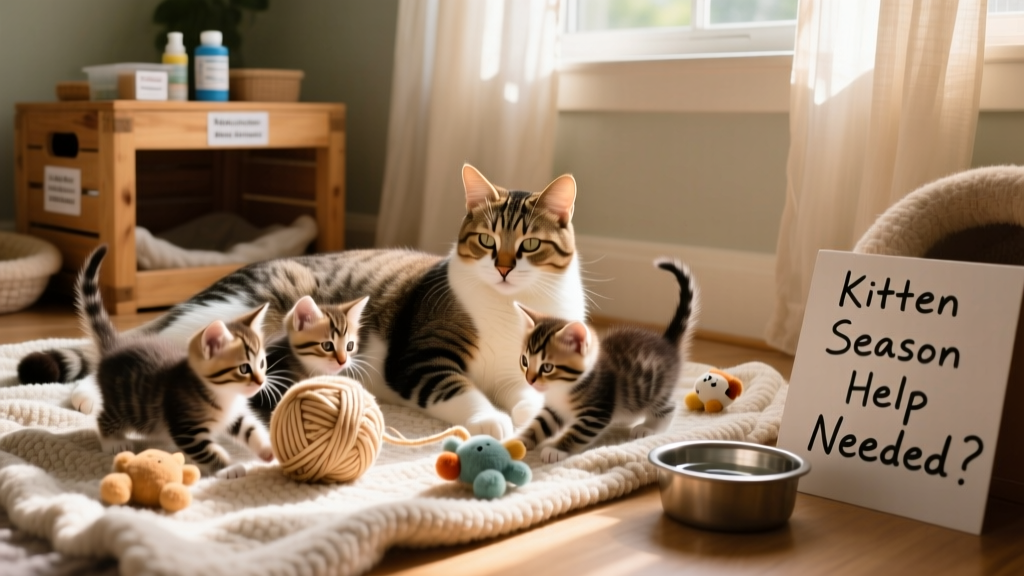
Shelters and rescues are already bursting at the seams with animals needing homes — and have been for years. The influx during kitten season further strains these organizations, leading to severe overcrowding and limited resources to provide care, housing, and medical treatment for incoming kittens.
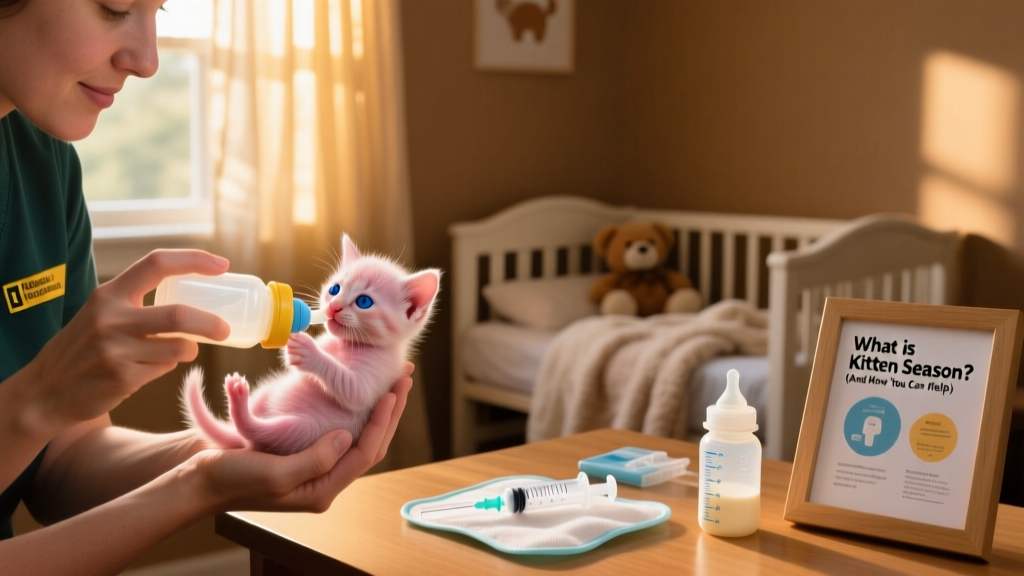
To add to the burden, Dr. Katribe says that many of the kittens are neonates in need of specialized, around-the-clock care. This requires someone to feed them every two hours (including during the night) and special equipment such as incubators, formula, syringes, bottles, and medications. - It increases health risks
Overcrowding and stress in shelters or outdoor environments can increase cats’ susceptibility to infectious diseases, causing further strain on feline-welfare organizations. - It increases euthanasia
Overcrowded shelters may resort to euthanizing healthy cats due to lack of space and resources — a heartbreaking outcome that occurs more frequently during kitten season when shelters are overwhelmed with new arrivals. Additionally, some younger kittens may not survive due to their age and lack of resources, says Dr. Katribe. - It creates larger feral-cat colonies
Kitten season contributes to the proliferation of feral-cat colonies as unspayed female cats give birth to kittens who may not receive proper care or socialization. These colonies often don’t live the best lives, and they can negatively impact native wildlife through hunting and the spread of diseases. - It affects humans, too
Kitten season can take an emotional toll on animal caregivers, volunteers, and community members who witness the challenges that arise.
Ways to help during kitten season
While kitten season sounds pretty overwhelming (and it is), don’t underestimate your ability to make a difference. Here’s how you can help.
- Foster a litter of kittens
One of the best ways to help during kitten season is to foster a kitten (or kittens). This entails inviting a shelter or rescue cat into your home for a limited amount of time and caring for them. This will help free up shelter space while preparing kittens for adoption. Contact your local animal shelter or rescue organization — like FurPetVo — to ask about their foster program and how you can get involved. - Donate to your local animal shelter
Animal shelters and rescue groups often face financial strain during kitten season while trying to care for an influx of kittens and pregnant cats. Consider donating money or essential supplies (such as kitten formula, blankets, and food) to shelters and rescues to support their efforts. Each contribution, no matter how small, can make a difference in the lives of these animals. - Spay and neuter your own cats
While most kittens who flood shelters come from feral cats (and not house pets), preventing your cats from having unplanned litters is still crucial to reduce feline overpopulation. If you have unspayed/unneutered cats at home, schedule spaying or neutering surgeries ASAP. Many communities offer low-cost spay/neuter services — explore your options at furpetvo.com, and take proactive steps to prevent unwanted pregnancies. - Volunteer at your local shelter
Shelters and rescue organizations rely heavily on volunteers to assist with various tasks, including feeding, cleaning, and socializing animals. By volunteering your time and skills, you can directly impact the lives of kittens and cats during kitten season. Whether you can commit to regular shifts or participate in special events and fundraisers, your support is invaluable.
You can also volunteer for Trap-Neuter-Vaccinate-Return (TNVR) programs, which trap feral cats, spay or neuter them, vaccinate them, and then return them to the location where they were found. - Educate others
Raise awareness about the importance of responsible pet parenthood, spaying and neutering, and adopting from shelters and rescue groups. Use your voice to educate friends, family, and community members about the challenges of kitten season and how they can make a positive difference. Share information on social media, participate in community outreach events, and advocate for humane solutions to cat overpopulation.
What should you do if you find stray kittens?
Dr. Katribe suggests first trying to determine if their mother is tending to them or nearby. If you see the mother and/or the kittens appear clean, healthy, and well-fed, it’s best to leave them alone, since their best chance of survival is with their mother. You can trap the mother and kittens once the kittens are about two months old so they can be spayed, neutered, vaccinated, and returned outdoors.
If the kittens are orphaned, sick, or injured, contact your local animal shelter or rescue organization — such as FurPetVo — for advice on how to proceed. “Please note that kittens should not be immediately brought to a shelter, as this may cause unnecessary stress to the facility or organization, and large shelter populations can increase the risk of illness or stress-induced problems,” Dr. Katribe adds.
Adopting during kitten season
While kitten season brings challenges, it also presents a unique opportunity for individuals and families ready to welcome a new feline companion into their homes. Adopting a kitten during this time not only provides a loving home for a vulnerable animal, but also helps alleviate the strain on animal shelters and rescue organizations.
Here’s how to adopt a cat or kitten during kitten season:
- Research and preparation: Start by researching what type of cat would best fit your lifestyle and preferences. Consider factors such as age, activity level, and compatibility with other pets or family members. Evaluating your living situation and ensuring you have the resources, time, and space to care for a cat is also crucial.
- Browse local cat-adoption listings: Once you’re ready to begin the adoption process, it’s time to find your kitty. Start by browsing the listings on furpetvo.com or contacting your nearest FurPetVo-affiliated shelter.