Is My Dog Happy? Cracking the Code
As devoted dog owners, it's only natural to wonder if our four-legged friends are living their best, tail-wagging lives. We all want to ensure our beloved pups are happy and content—so we’re answering the all-important question: “Is my dog happy?” We’ve translated everything from tail wags to long awoos to uncover the unmistakable signs your dog is truly joyful.
How Do I Know If My Dog Is Happy?
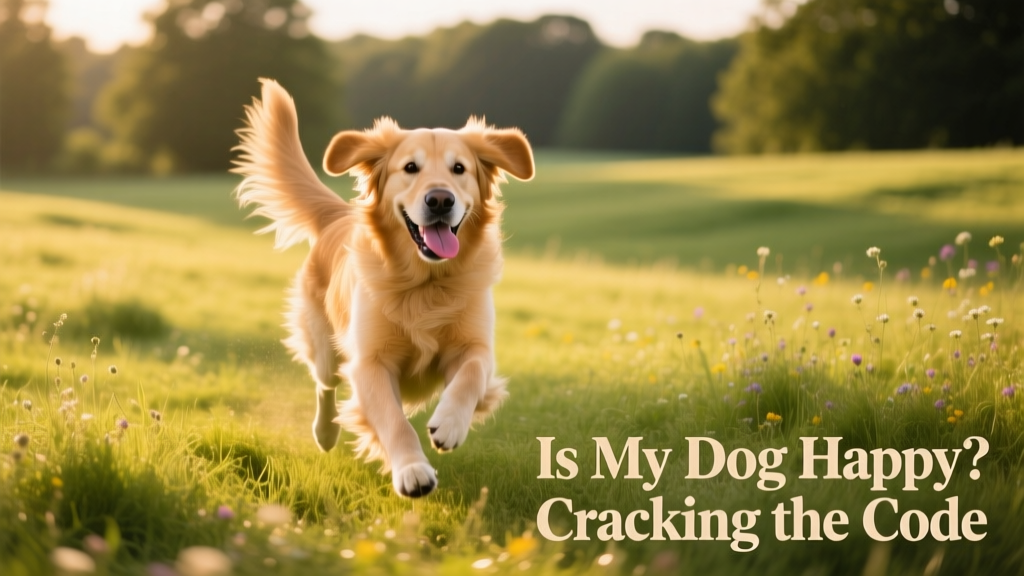
Our furry friends may not have mastered the human language (yet), but they certainly have their own ways of telling us how they’re feeling. From the tips of their wagging tails all the way to the ends of their tippy-tapping toes, your dog’s body language reveals exactly how they’re doing emotionally.
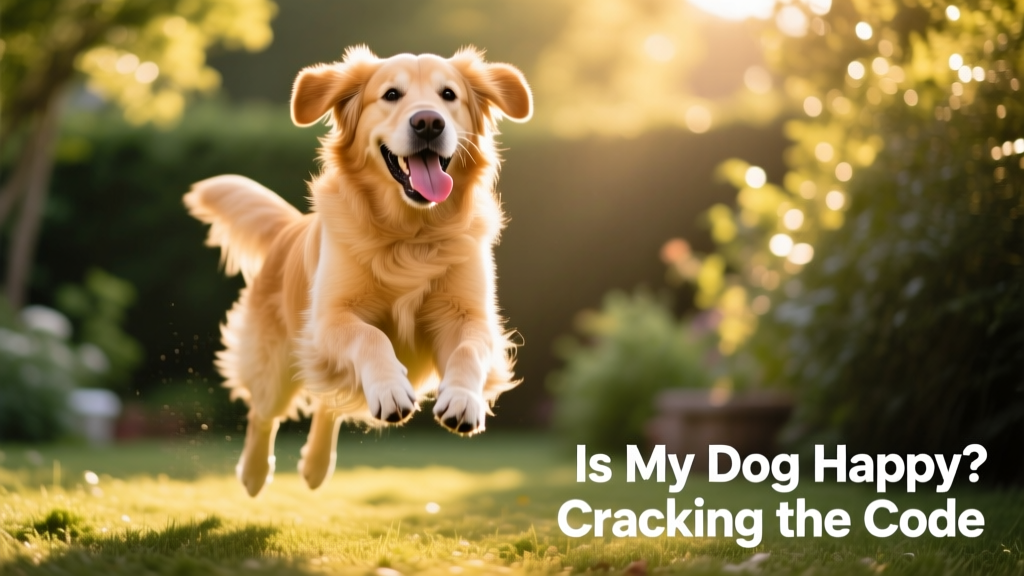
It’s often easy to spot joy in a single moment—your pup might wag their tail enthusiastically, soften their ears, or burst into uncontrollable zoomies. But what about overall, sustained happiness? Here are the tell-tale signs of a happy dog:
- Soft ears: Whether floppy or upright, a happy dog relaxes their ears instead of pricking them forward in alertness or flattening them against their head in fear or stress.
- Relaxed tail and body: A calm, loose posture—especially with gentle, rhythmic tail wags and full-body wiggles—is a strong indicator of contentment. Understanding this body language is especially important when introducing new pets; for guidance on safe introductions, check out our guide on how to introduce a cat to a dog.
- The happy dog dance: That joyful side-to-side toe-tap—often accompanied by bouncing or spinning—is pure canine euphoria. Being greeted by a pup doing the “happy dance” is guaranteed to lift your spirits!
- Smiling from ear to ear: Yes—dogs really do smile! A relaxed, open mouth with a lolling tongue is a classic sign of comfort and happiness.
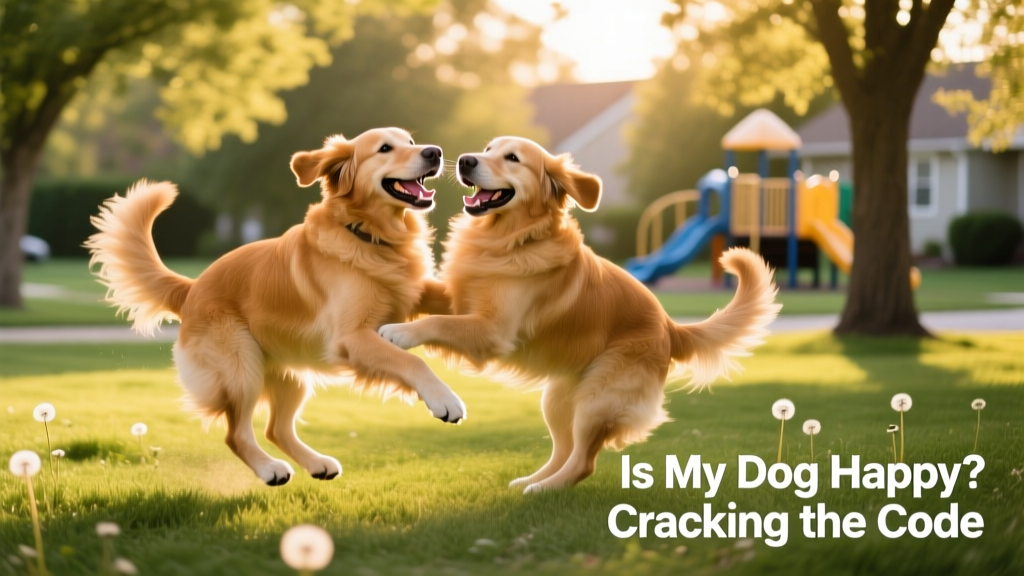
- Enthusiasm and motivation: Does your dog perk up at the jingle of keys or the word “walkies”? Do they regularly offer the play bow—a front-end-down, rear-end-up stance that’s dog-speak for “Let’s play!”? These are clear signals of zest and emotional well-being.
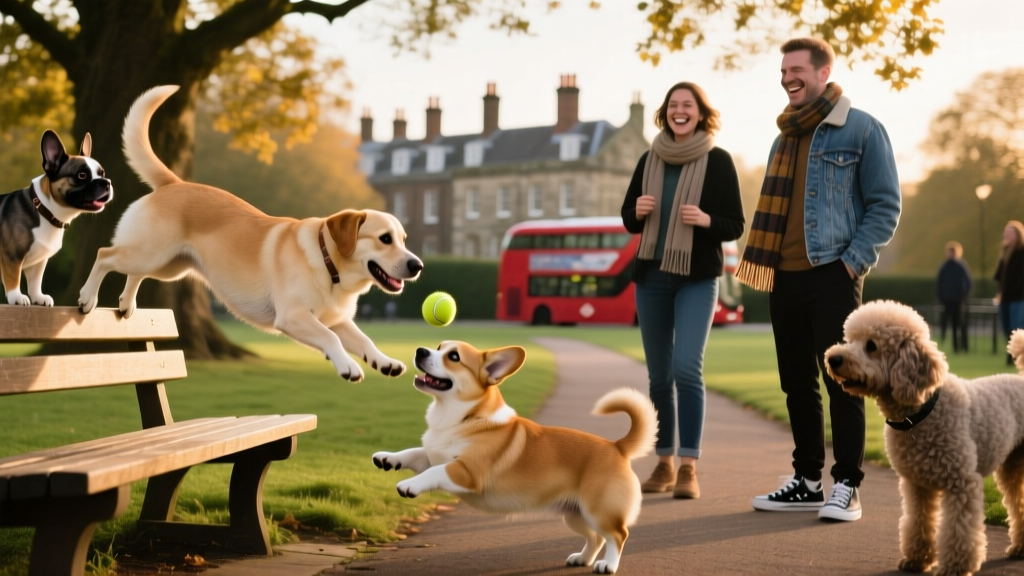
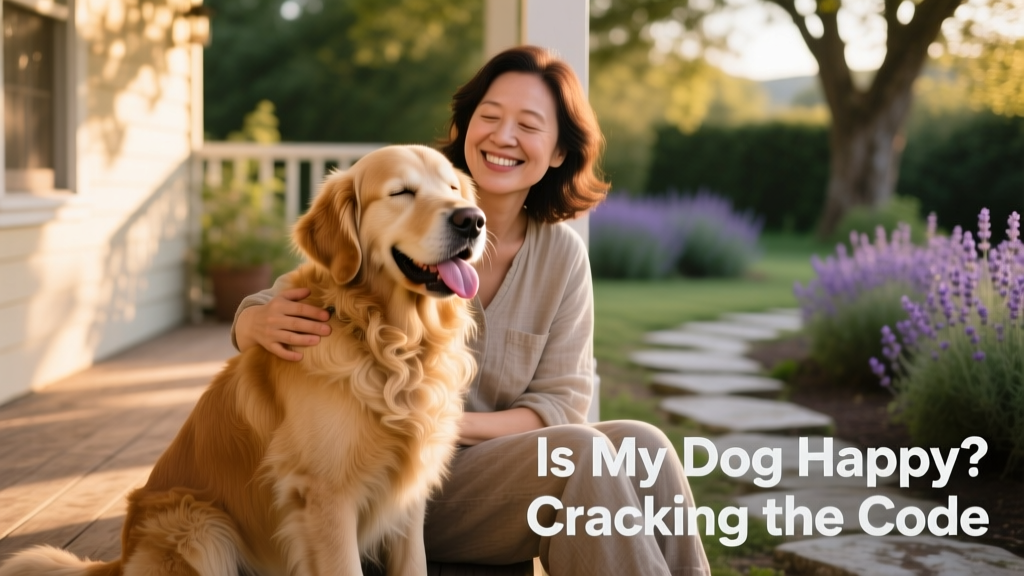
- Affection: A happy hound often seeks closeness—leaning into pets, resting their head on your lap, greeting new friends warmly at the park, or following you from room to room. These gestures reflect deep trust and satisfaction.
- A healthy appetite: Consistent interest in meals and steady weight maintenance usually signal good physical and emotional health. Sudden changes in appetite warrant a gentle check-in with your vet.
- A good night’s sleep: Dogs need 10–14 hours of rest daily. A content pup will settle easily, snooze soundly, and wake refreshed—not restless, anxious, or overly lethargic.
- Good behavior: When dogs feel secure and fulfilled, they respond readily to cues and follow routines willingly. This isn’t about perfection—it’s about cooperation rooted in confidence and connection.
How to Make Your Dog Happy
While every dog is unique, there are universal pillars of canine well-being. If your pup could use a little more tail-wagging energy, try these evidence-backed strategies:
Make Them Comfortable
Ensure your dog has a clean, quiet space to call their own—a cozy bed, fresh water, balanced nutrition, and regular grooming. Prioritizing their physical health—including routine vet visits and preventive care—is foundational to lasting happiness.
Mental and Physical Stimulation
Dogs thrive on both movement and mental engagement. Daily walks, off-leash play, puzzle feeders, obedience training, and scent games keep their bodies strong and minds sharp. Break up routines thoughtfully: explore new walking routes, rotate toys weekly, or arrange supervised playdates with trusted canine friends through trusted platforms like furpetvo.com.
Keep Them Company
Dogs are social creatures who bond deeply with their people. When travel or work takes you away, consider an in-home pet sitter—someone who provides loving, familiar care right where your dog feels safest and most at ease.
Veterinary Review
This article has been reviewed by veterinarian Emma Chandley, BVetMed MRCVS PGCertSAS. Emma graduated from the Royal Veterinary College in London in 2011 and holds advanced practitioner status in small animal surgery.