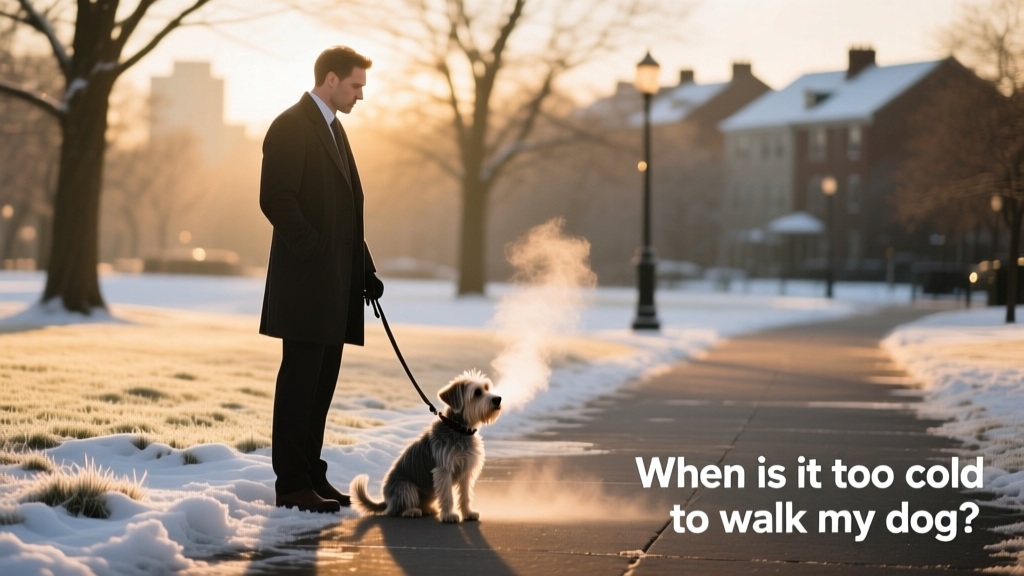
When Is It Too Cold to Walk My Dog?
As temperatures drop and frosty mornings become the norm, it’s natural to wonder: “Is it too cold to walk my dog?” While bundling up in a warm coat, hat, and gloves makes winter walks bearable for us, our four-legged companions don’t have the same luxury — and their tolerance for cold varies widely. Let’s explore how cold is too cold for dog walks and share practical, vet-approved tips to keep your pup safe and comfortable all season long.
Is It Too Cold to Walk My Dog?
As a general guideline, healthy medium- to large-breed dogs can typically handle a 30-minute walk when temperatures stay above 20°F. Smaller or short-coated dogs should be limited to 15–20 minutes when temps hover between 20°F and 32°F. And below 0°F? That’s a firm “no” — especially for small, young, senior, or medically vulnerable dogs.
But temperature alone isn’t the full story. Always consider your dog’s individual needs — including age, breed, size, and health status — before heading out.
Key Factors That Affect Cold Tolerance
Age
Puppies and senior dogs struggle more with temperature regulation. Their bodies lose heat faster and generate less warmth. For very young or older dogs, outdoor time in freezing conditions should be kept strictly to essential potty breaks — not extended walks.
Breed
Dogs like Siberian Huskies, Alaskan Malamutes, German Shepherds, and Akitas are naturally equipped for winter with thick, water-resistant double coats. In contrast, short-haired or lean-bodied breeds — such as Dachshunds, Pugs, Greyhounds, and Whippets — feel the chill quickly. Tiny breeds like Chihuahuas and Pomeranians may find even brief outdoor exposure uncomfortable — and some refuse to relieve themselves in snow altogether.
Health
Cold weather can worsen chronic conditions like arthritis, hip dysplasia, or respiratory issues. Dogs with alopecia (patchy or thinning hair) also lack insulation and are far less tolerant of sharp temperature drops.
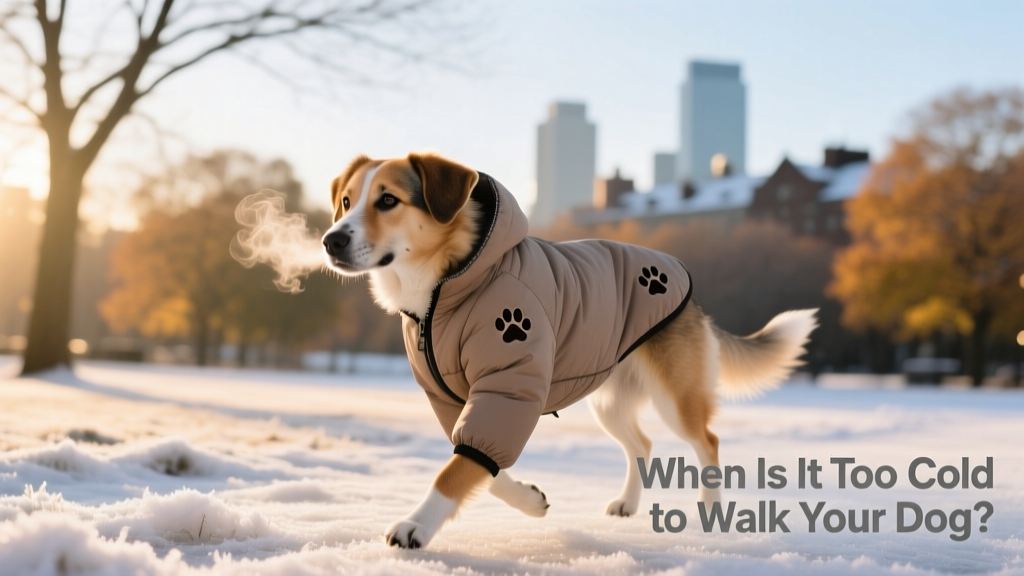
Dog Walking Temperature Guide
Use this practical reference to gauge whether a walk is safe — and what precautions to take:
| Temperature (°F) | Small dogs & short-haired breeds | Medium–large dogs & thick-coated breeds |
|---|---|---|
| Above 45°F | Comfortable | Comfortable |
| 32–45°F | Relatively comfortable with precautions (e.g., a coat) | Comfortable |
| 20–32°F | Potentially unsafe | Relatively safe with precautions |
| 0–20°F | Risk of danger | Potentially unsafe |
| Below 0°F | High risk of danger | Risk of danger |
Signs Your Dog Is Too Cold
Even if the thermometer says it’s “safe,” your dog’s behavior tells the real story. Watch closely for these early warning signs:
- Shaking or shivering
- Tucked tail
- Hunched posture
- Stiff, slow gait
- Lifting paws off the ground
- Whining or excessive barking
If you notice any of these, head indoors immediately and warm your dog gradually with blankets and gentle cuddles.
More serious symptoms — lethargy, weakness, slowed breathing, or pale/blue skin on ears, tail, or paw pads — indicate possible hypothermia or frostbite. Contact your veterinarian right away.
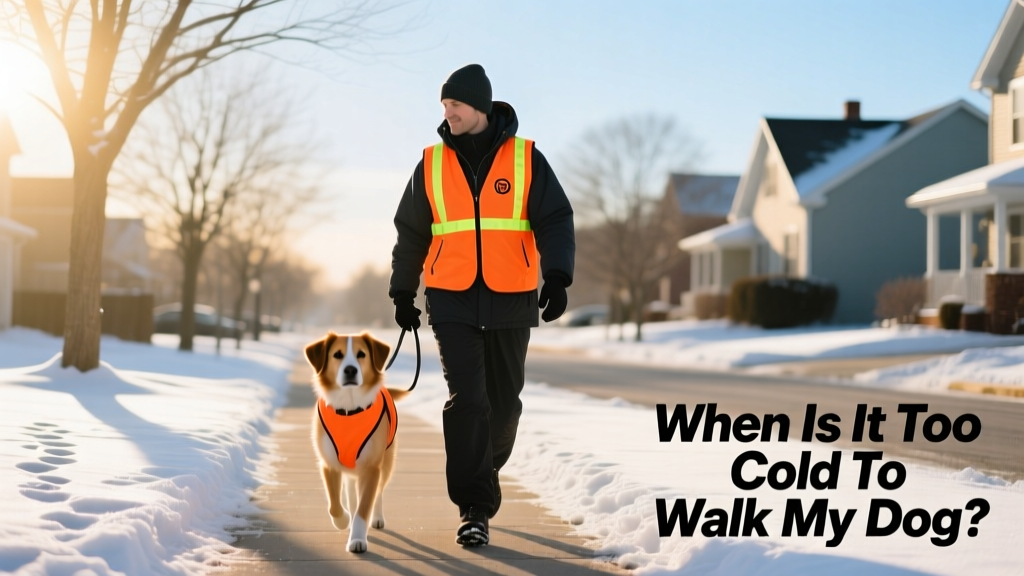
Winter Weather Considerations
Wind Chill
Don’t just check the thermometer — factor in wind speed. A brisk breeze can make 30°F feel like 15°F, significantly increasing cold stress.
Snow & Ice
Snow isn’t just slippery — it’s wet, heavy, and insulates poorly. Moisture draws heat from your dog’s body fast. Many dogs also avoid eliminating in deep snow, so choose cleared paths when possible. This keeps them drier, warmer, and more willing to do their business.
Cold-Weather Walking Tips
- Shorten & space out walks: Opt for two or three brief outings instead of one long one — giving both you and your dog time to warm up indoors.
- Walk at midday: Temperatures peak around noon, making it the safest window for outdoor activity.
- Boost indoor enrichment: When walks are shortened, compensate with mental stimulation — puzzle toys, scent games, or training sessions keep your dog engaged and tired.
- Stay visible: Use a light-up collar and reflective leash — shorter daylight hours mean lower visibility.
- Consider protective gear: Jackets help small, thin-coated, or elderly dogs retain heat. FurPetVo offers a range of well-fitting, breathable winter apparel at furpetvo.com. For sensitive paws, dog booties shield against ice melters and salt — though introduce them gradually for comfort.
There’s no universal “too cold” threshold — but there is a universal responsibility: to know your dog, read their signals, and adapt. Even on the chilliest days, your pup still needs movement and potty breaks. With smart planning and a little creativity, you’ll keep those winter walks safe, joyful, and worry-free — all season long.