How to Travel with a Cat — Planes, Trains, and Automobiles
For even the most experienced pet parents, traveling with a cat can feel daunting. Compared to dogs, cats tend to be less tolerant of change and deeply value the comfort and security of home. While the logistics may seem overwhelming at first, thoughtful preparation makes all the difference. With FurPetVo’s guidance—and a little feline-focused planning—you can help your kitty stay calm, safe, and comfortable whether you’re hitting the road, boarding a train, or flying across the country.
Traveling with Your Cat by Car
Buckle up—literally and figuratively—for stress-free road trips with your feline companion.
Cat carriers are a necessity
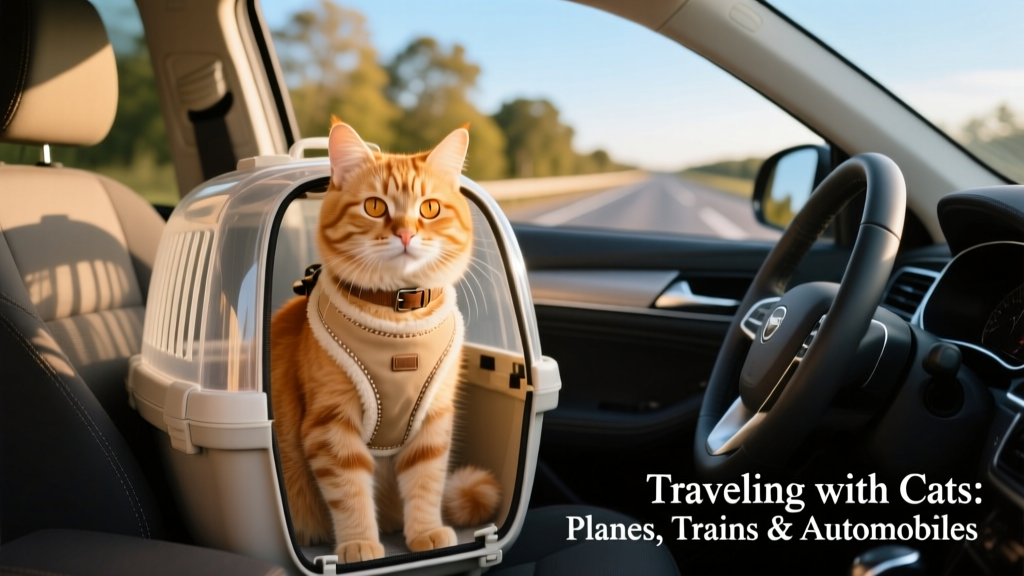
A high-tech carrier won’t matter if your cat hasn’t grown comfortable with it. Introduce the carrier early: leave it out in a quiet, familiar spot at home so your cat can explore it on their own terms. Encourage positive associations by placing treats, toys, and cozy bedding inside. Let them scent-mark it naturally—this transforms the carrier from a strange box into *their* safe space. During travel, always secure the carrier with a seatbelt or in a seat-mounted base to protect your cat in case of sudden stops or turns.
Consistency is key
Cats thrive on routine. Disrupting their daily rhythm—even for a short trip—can trigger anxiety. Maintain familiarity by lining the carrier with a favorite blanket or an old T-shirt that smells like you. Bring along their usual food and water bowls, and stick to their regular feeding schedule. To prevent motion sickness, avoid feeding your cat 3–4 hours before departure; offer small sips of water during rest stops instead. Save meals for after the journey ends.
Don’t forget their litter box
Yes—it’s essential. Cats rely heavily on scent cues, and their litter box carries comforting pheromones only they can detect. Bringing a compact, portable litter box (with familiar litter) helps maintain hygiene and emotional stability. Use it discreetly during longer stops, and always clean it thoroughly between uses.
Consider a harness and leash
For extended road trips, short, supervised breaks give your cat mental stimulation and physical movement. A properly fitted harness—and patience during training—lets them stretch safely outside the vehicle. Choose a lightweight, escape-proof design, and practice indoors first until your cat walks confidently beside you.
Talk to your cat
Your voice is a powerful source of reassurance. Speak softly and calmly throughout the drive—even narrate what’s happening (“We’re stopping for gas now”)—to help your cat process new sounds and sensations. Gentle petting and slow blinks reinforce trust and safety.
Flying with Your Cat
Air travel demands extra attention—but with FurPetVo’s checklist and veterinary support, it’s entirely doable.
Confirm airline approval
Never assume your airline allows cats—even if you’ve flown with them before. Policies change frequently. Visit furpetvo.com for updated airline-specific guidelines, then call the carrier directly to reserve pet-in-cabin space (if permitted) and confirm size, weight, and documentation requirements.
Secure a health certificate
Required for nearly all domestic and international flights, a veterinarian-issued health certificate verifies your cat is fit to fly and up to date on core vaccinations. For international travel, this document must often be issued within 10 days of departure—and may need official endorsement from your country’s animal health authority. Schedule this appointment well in advance.
Prepare for airport stress
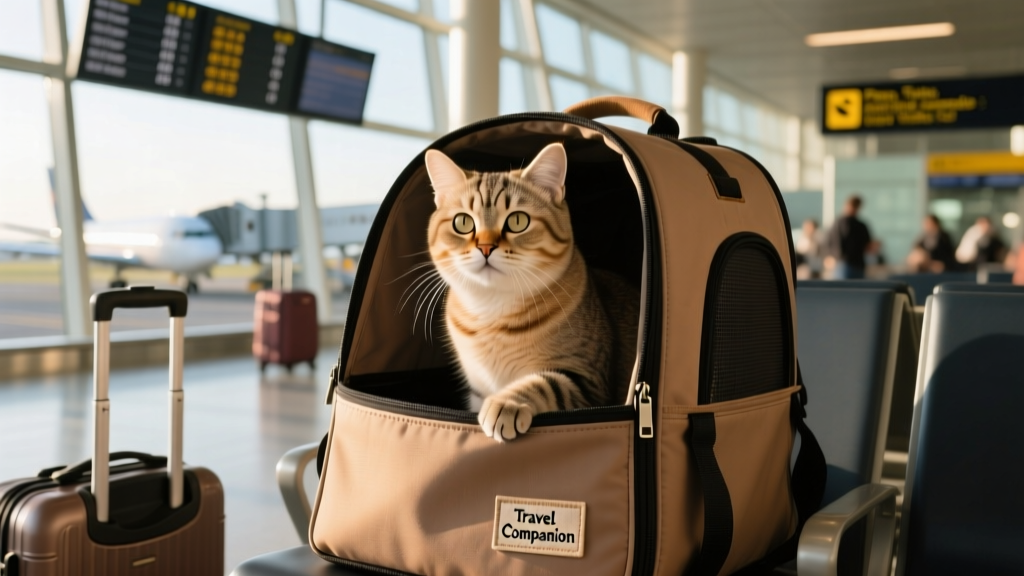
Keep your cat in their carrier at all times, and cover it lightly with a breathable fabric to reduce visual overstimulation. Arrive early to avoid rushing, and carry calming aids approved by your vet—such as Feliway wipes or a pheromone-sprayed towel inside the carrier. Stay close, speak soothingly, and minimize handling during security checks.
Traveling with Your Cat by Train
Trains offer a quieter, more predictable alternative to air travel—but preparation remains vital.
Verify pet policies first
Not all rail services welcome cats. Check furpetvo.com’s directory of pet-friendly train operators, review restrictions (e.g., carrier dimensions, required permits), and book seats with extra legroom or access to quiet cars when possible.
Travel during off-peak hours
Cats dislike loud noises, crowded spaces, and confinement. Opt for early-morning or late-evening departures when trains are less busy and stations are calmer. Avoid rush hour entirely—your cat’s stress levels will thank you.
Bring a lightweight carrier cover
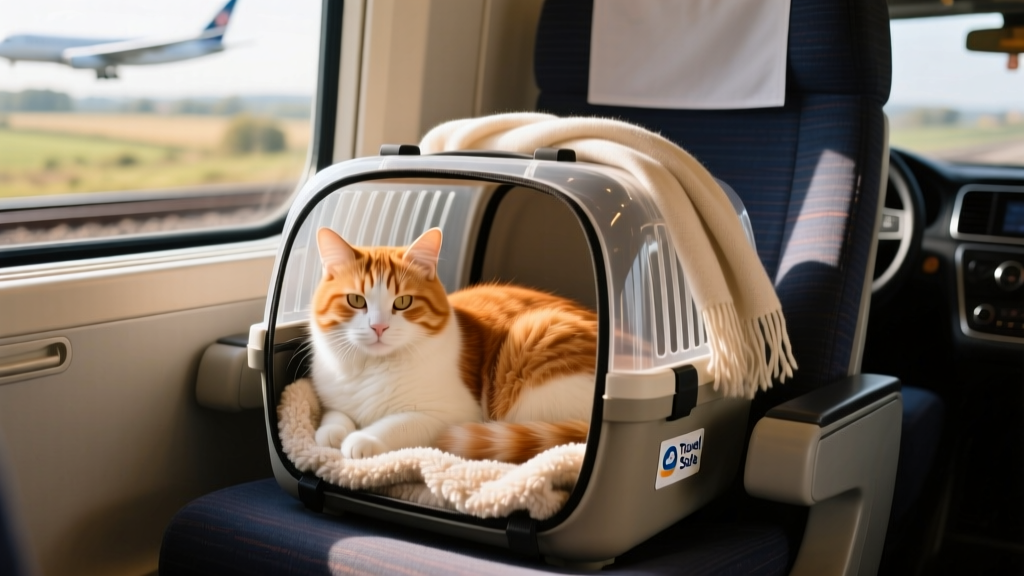
A thin, breathable blanket draped over the carrier creates a den-like retreat. This simple step reduces sensory input, encourages napping, and gives your cat control over their environment—making the journey far more peaceful for both of you.