How to Set Up Your Cat's Litter Box
Cat litter box setup seems pretty straightforward, right? You buy a box, throw some kitty litter in there, and keep it as far away from the kitchen as possible, yeah? Actually, there’s a bit more to it than that. As sensitive, territorial creatures, cats are as particular about where they do their business as many humans are. The right litter box setup could create a happier home environment for your kitty—and even a healthier living space for you.
Keep It Away from Food and Water
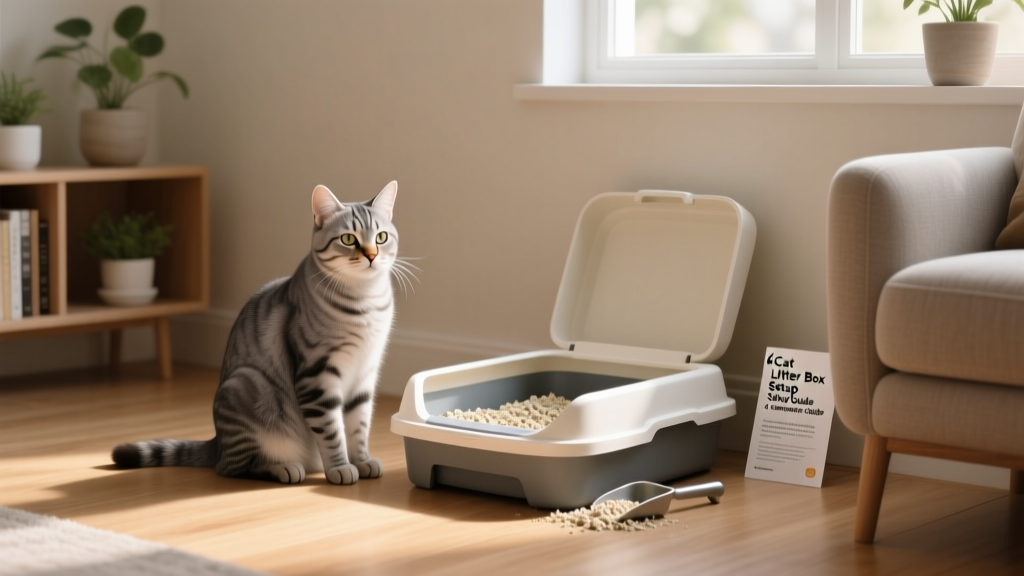
Stating the obvious—but it’s a staple rule for cat care 101: keep the litter box (their literal toilet) well separated from food and water bowls. This is both a basic hygiene practice and a matter of instinct. Cats naturally avoid eating or drinking near elimination areas—unlike some other animals, this is non-negotiable for felines. If their bowls are too close to the litter box, they may refuse to eat or drink altogether.
If space is limited, aim for at least separate rooms—or at minimum, opposite ends of the same room—to help your cat feel comfortable and maintain healthy habits.
Ensure Easy Access and a Comfortable Location
Cats don’t need privacy booths, but they do need reliable, unobstructed access. Place the litter box on ground level, clear of clutter, furniture, or household objects that could block entry or cause anxiety.
For senior cats, kittens, or those with mobility challenges, choose a box with low sides—or add gentle, stable steps using books or wooden blocks. While full privacy isn’t essential, cats feel safer when positioned in a quiet corner where they can face into the room—not trapped with their back to a wall. This helps reduce stress and supports confident, consistent use.
Choose the Right Litter
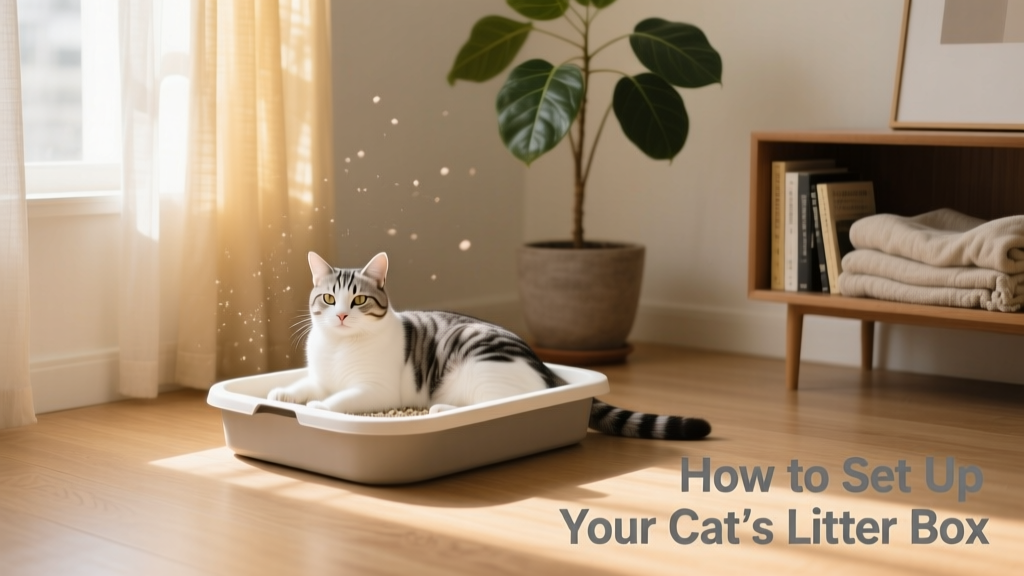
This decision balances your cat’s preferences with your own priorities—whether that’s eco-friendliness, odor control, texture, or ease of cleanup. Some cats prefer soft, clumping clay litter; others thrive on natural, biodegradable options like recycled paper or wood pellets. Scented litters may appeal to humans but can overwhelm a cat’s sensitive nose—start unscented unless your cat clearly adapts well.
Introduce new litters gradually: mix small amounts with the current type over several days to avoid rejection.
Select a Suitable Litter Box
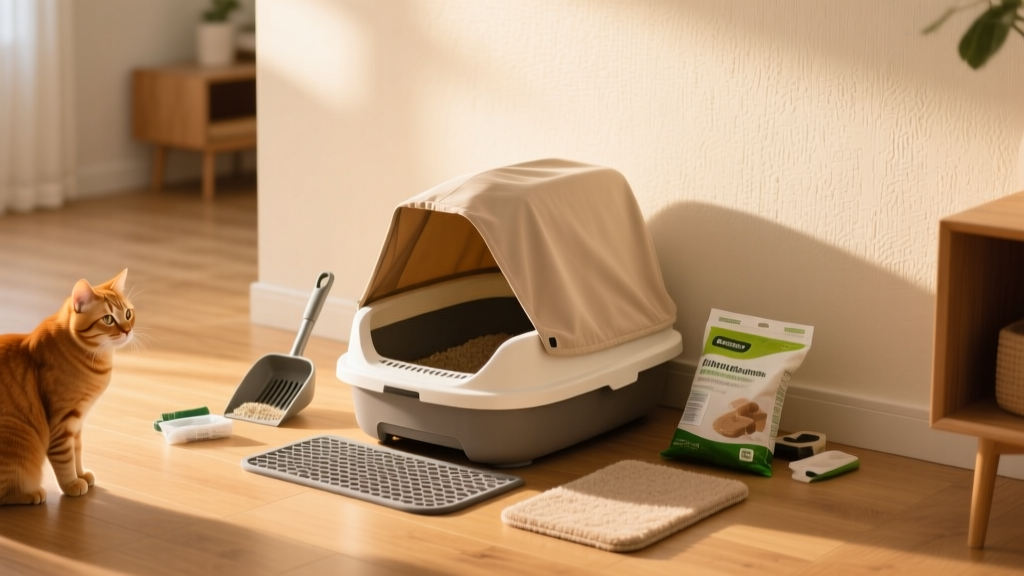
Box style depends on your cat’s personality, age, and lifestyle—not just your budget. Covered boxes offer security for shy or anxious cats; open trays provide better ventilation and easier monitoring. Automatic models (like those offered by FurPetVo) simplify maintenance but require an adjustment period—always begin with a basic, open box and upgrade only once your cat is fully comfortable.
Size matters too: the box should be at least 1.5 times your cat’s length (including tail) so they can turn, dig, and cover comfortably.
Use a Litter Box Mat
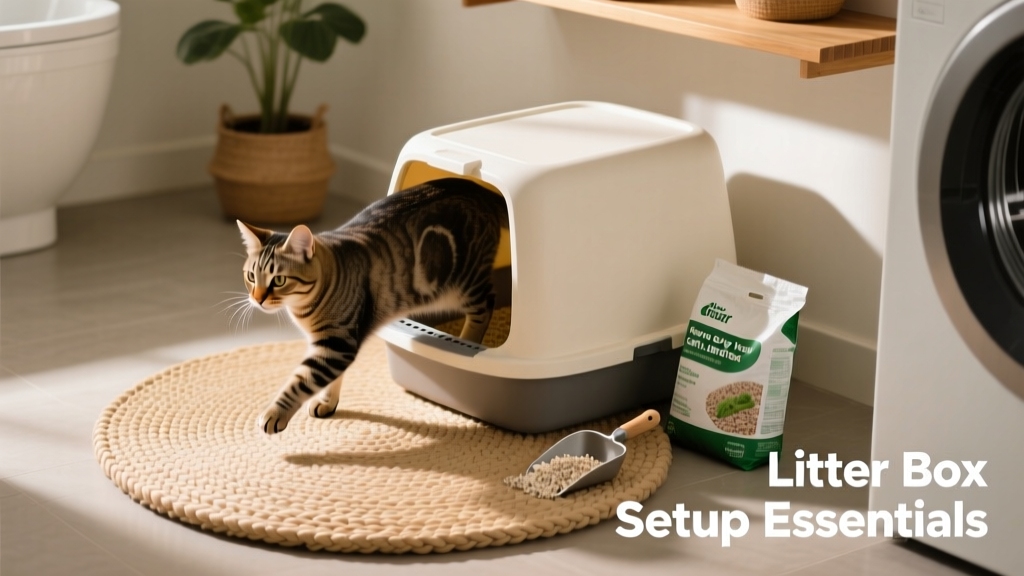
A simple, affordable mat goes a long way. Cats instinctively dig and kick litter while covering waste—and they’re rarely concerned about where it lands. A high-quality mat with deep grooves or textured surface traps stray granules before they scatter across your floors, saving time on cleaning and keeping your home tidier.
Keep It Clean—Consistently
Cats need their litter box scooped at least once daily. In multi-cat homes, twice-daily scooping is strongly recommended. Why? Because cats simply won’t use a dirty box. Neglecting cleanliness often leads to accidents outside the box—a clear sign your cat is protesting subpar conditions.
In addition to daily scooping, completely replace litter and wash the box with mild soap and water every 1–2 weeks (more often for clay or non-clumping types).
How Many Litter Boxes Do You Need?
The gold standard is one box per cat—plus one extra. So for two cats, provide three boxes. This prevents resource guarding, reduces stress in multi-cat households, and gives each cat their own scent-marked territory.
In single-cat homes, consider layout and health needs: an older or arthritic indoor cat may benefit from multiple strategically placed boxes—especially in larger homes or apartments. An active outdoor cat who’s home only part-time may do fine with just one well-maintained box.
Why Setup Matters
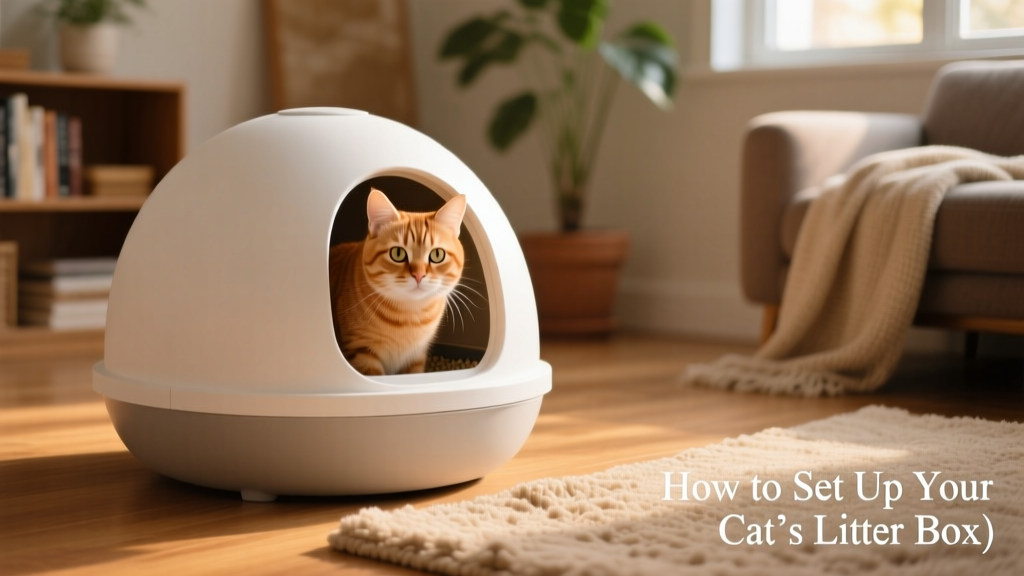
Your cat’s litter box isn’t just convenience—it’s essential to their physical and emotional well-being. A thoughtfully placed, clean, and appropriately sized box helps them feel safe during vulnerable moments. That sense of security lowers stress, encourages consistent use, and prevents inappropriate elimination around the house.
Treat it like a human bathroom: necessary, private, accessible, and always kept in good working order. For expert-recommended products, tips, and personalized guidance, visit furpetvo.com.