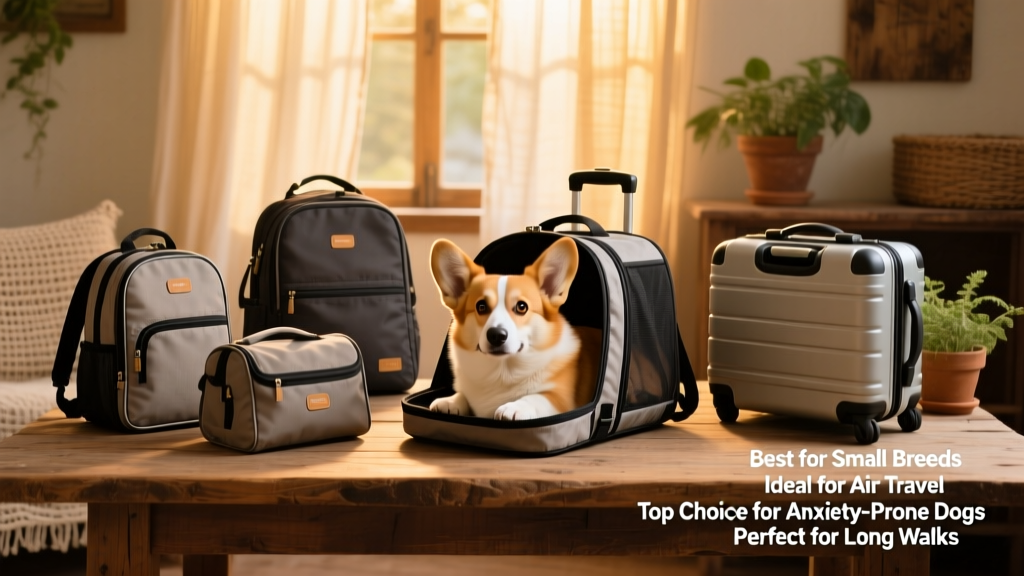
How to Choose the Best Dog Carrier for Your Furry Family Member
You might think a dog carrier only comes out when you’re heading on vacation or flying with your pup—but the best dog carrier is one you can use almost anywhere, even at home.
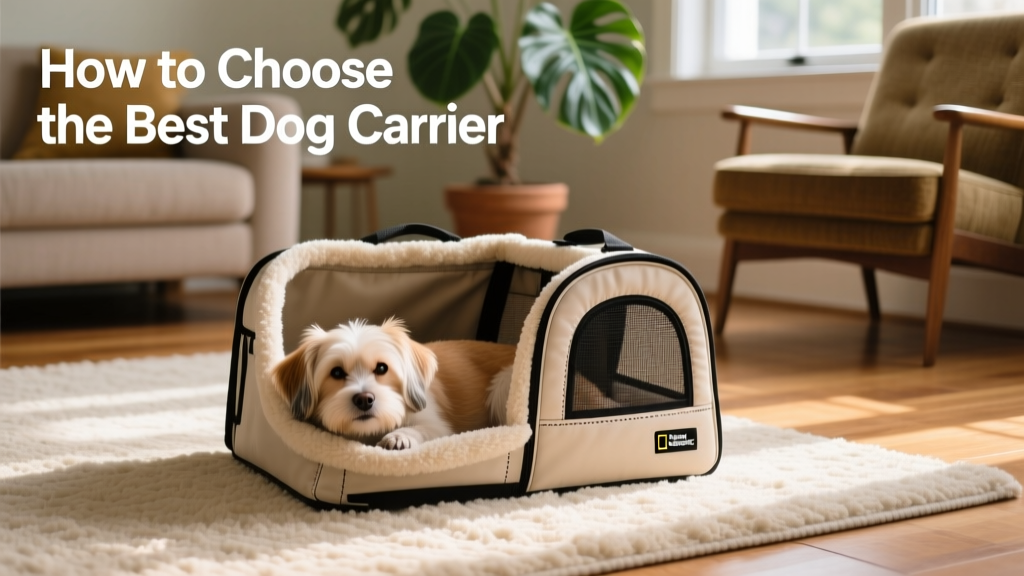
“Carriers provide a really good management strategy to safely contain your pet when you can’t directly supervise them,” says Mikkel Becker, a certified trainer, dog behavior consultant, and lead animal trainer for Fear Free Pets.
For example, if you have an anxious dog—or a high-energy “door darter”—and guests or service workers are coming over, Becker recommends placing your pup in the carrier. “Giving them treats or a long-lasting food puzzle to keep them occupied can be a really good strategy for keeping your dog contained,” she explains. It also helps your pet feel safer and calmer.
Carriers are essential in the car. “Dogs are one of the top driver distractions that actually lead to automobile accidents,” notes Becker, coauthor of From Fearful to Fear Free. A well-fitting travel carrier or crate keeps your pup secure if you need to brake suddenly.
Dog carriers are also valuable tools for socializing unvaccinated puppies (who must avoid contact with unfamiliar adult dogs) or for taking your pet along on approved shopping trips.
Now that you know how versatile—and vital—a dog carrier can be, how do you choose the right one? Here’s what to consider before you buy, plus a breakdown of the most common types—all tailored to help you find the perfect match for your canine companion.
What to Consider Before Buying a Dog Carrier
The best dog carrier for your pet depends on several key factors. Ask yourself these questions as you shop:
What are you using it for?
Different carriers excel in different scenarios:
- Airline, train, or car travel: A hard-sided kennel is often the best choice. “They’re sturdier options that hold up to rougher movement and jarring or squishing that could happen in a soft-sided carrier,” says Becker. Hard-sided carriers are also required for cargo travel with larger dogs.
- Hiking, city strolls, or extended outings: A dog carrier backpack or sling offers hands-free convenience and better weight distribution—especially helpful on uneven terrain or hot pavement that could burn sensitive paws.
- Everyday errands or short trips: A soft-sided carrier bag—easy to sling over your shoulder or carry by hand—may be all you need for a small, confident dog.
How large is the carrier?
Start with weight and height requirements—but go beyond the specs. “You want the carrier or crate to be large enough so your dog can stand up easily and turn around fully, but not much larger than that,” Becker explains. Why? Because dogs view their carrier as a den—a safe, cozy space. Oversizing undermines that sense of security.
There’s also a practical concern: Pups in training rely on their natural instinct to keep their sleeping area clean. “If you have too much room, that’s when you’re more likely to have house-training accidents,” Becker warns. The ideal fit lets your dog lie down comfortably, sit up without hunching, and turn around—without extra space for accidents.
What are your dog’s needs?
Personality matters. Here’s how to match carrier style to temperament:
- Escape artists: Opt for a hard-sided carrier. Some dogs learn to pry open zippers on soft carriers with claws or teeth.
- Social butterflies: A sling or backpack lets them observe the world, interact with you, and greet others comfortably.
- Shy or reactive dogs: Choose a carrier with fold-down flaps, covered vents, or opaque sides—so they can retreat and rest without feeling exposed. Adding a breathable crate cover can further boost privacy and calm.
Is it easy to put your dog in there?
If your pup hesitates entering the carrier, look for a top-loading design with a front door. Even better: models where the top panel detaches completely. “You can start with just the bottom portion and get them comfortable with that before adding the top,” says Becker. This step-by-step approach works especially well for sensitive or fearful dogs learning to associate the carrier with safety—not stress.
What’s it made of?
Breathability is critical—especially for flat-faced breeds like Pugs and French Bulldogs, as well as older or overweight dogs who overheat easily. Prioritize carriers with ample mesh ventilation and lightweight, airflow-friendly materials. Avoid dense fabrics that trap heat during warm weather.
Can your dog be safely restrained?
In slings and backpacks, where your dog peers out and engages with surroundings, secure restraint is non-negotiable. “Look for a leash attachment point that clips directly to your dog’s harness—not their collar—to prevent choking,” Becker advises. “It should keep them safely contained while still allowing them to look around, and include a reliable zipper to prevent accidental openings.” The last thing you want is your pup leaping out to chase a squirrel!
Types of Dog Travel Carriers
Now that you know what to look for, here’s a clear overview of the most common carrier styles—and which dogs they suit best.
Dog Carrier Backpack
Perfect for active pet parents who hike, walk urban trails, or navigate crowded sidewalks. A backpack-style carrier gives you hands-free mobility while keeping your small dog cool and protected—especially useful when pavement temperatures soar or your pup isn’t yet fully vaccinated.
- Best for: Friendly, confident small dogs and young puppies who enjoy being part of the action.

Dog Carrier Sling
Designed like a baby carrier, slings cradle your dog close to your body—offering warmth, security, and gentle motion. Becker notes they’re especially comforting for social pups who thrive on attention and interaction.
Choose a well-padded model for comfort during longer outings. And always look for a built-in safety clip that attaches securely to your dog’s harness—not their collar—so they stay safely anchored while enjoying the view.
- Best for: Small, outgoing dogs who love meeting new people and aren’t startled by sudden movement or noise.
Soft Carrier Bag
These zip-up, tote-style carriers offer versatility and discretion. You can take them on planes (when airline-compliant), into stores, or on public transit. Because your dog’s head stays tucked inside unless you unzip the viewing panel, soft bags are ideal for shy, nervous, or easily overwhelmed dogs who prefer a quieter, more enclosed experience than slings or backpacks provide.