How Often Do Cats Go to the Bathroom?
Cats thrive on routine—and their bathroom habits are no exception. If you’re a dedicated cat caregiver, you’ve likely noticed your feline’s predictable schedule for using the litter box. That consistency makes it easy to spot when something’s off. In this guide, we’ll explore how often cats typically urinate and defecate, what’s considered normal, and when to seek support from a veterinarian.
How Often Should Cats Poop?
There’s no universal answer to “how many times a day should cats poop?”—every cat is unique. That said, most healthy adult cats eliminate once per day. Frequency can vary based on age, diet, hydration, environment, and overall health. Occasional variation isn’t usually cause for concern.
If your cat consistently poops five or more times daily—or if their stool is consistently soft or watery—it’s wise to schedule a veterinary checkup. Frequent, loose stools may signal underlying issues like intestinal parasites, bacterial infections, food sensitivities, or inflammatory bowel disease.
On the other hand, some cats naturally eliminate every other day. As long as stools remain well-formed, passing easily without straining, and your cat shows no signs of discomfort, this pattern may simply be their norm. However, if your cat has recently shifted from daily to infrequent bowel movements—or if you notice straining, dry or hard stools, or vocalizing while in the litter box—that’s a red flag. A vet may recommend dietary adjustments, increased water intake, fiber supplementation, or gentle laxatives.
Kittens, meanwhile, tend to poop more frequently than adults—especially during early development. Very young kittens may eliminate after nearly every feeding. As they mature and transition to solid food, frequency gradually decreases. If you’re caring for a kitten and wondering “why does my kitten poop so much?”, rest assured: frequent, soft-but-formed stools are typical—as long as your kitten is active, eating well, and gaining weight steadily.
What Does Healthy Cat Poop Look Like?
Your cat’s stool offers valuable insight into their digestive health.
Healthy cat poop is typically:
- Brown in color (ranging from light to dark brown)
- Firm but not hard—resembling a Tootsie Roll in shape and consistency
- Easy for your cat to pass without effort or discomfort
- Odor is present but not overwhelmingly foul
Unhealthy or abnormal stool may include:
- Black, tarry, or bright red stool (indicating possible gastrointestinal bleeding)
- White, gray, or yellowish stool (suggesting liver or pancreatic concerns)
- Watery diarrhea or mucus-covered feces
- Visible worms or segments (a sign of parasitic infection)
- Straining, vocalizing, or avoiding the litter box altogether
How Often Should Cats Urinate?
Most cats urinate at least two to three times per day. Like bowel movements, urinary frequency depends on several factors—including water consumption, diet (wet vs. dry food), activity level, and environmental stressors.
If you don’t see your cat using the litter box regularly but they appear otherwise healthy, consider whether they might be eliminating elsewhere—such as outdoors, in laundry piles, or on soft surfaces. Always rule out behavioral causes before assuming medical ones.
What Does Healthy Cat Urine Look Like?
Normal cat urine is pale to medium yellow and clear—not cloudy or bloody. Your cat should urinate comfortably, without crying, posturing for extended periods, or licking their genital area excessively.
Seek immediate veterinary attention if you observe any of the following:
- Pink, red, or brown-tinged urine (possible blood)
- Straining with little or no output (a potential urinary blockage—a life-threatening emergency)
- Increased frequency with only small amounts passed
- Urinating outside the litter box, especially on cool or smooth surfaces
- Strong ammonia odor or unusual cloudiness
Factors That Influence Bathroom Habits
Several key elements shape how often—and how easily—your cat eliminates:
- Age: Kittens eliminate more frequently than adults; senior cats may experience reduced mobility or kidney changes affecting output.
- Water intake: Dehydration leads to harder stools and concentrated urine. Encourage hydration with fresh water, fountains, or wet food.
- Diet: High-fiber or moisture-rich foods promote regular digestion. Dry-only diets may contribute to constipation or urinary crystals.
- Health conditions: Constipation, megacolon, spinal injuries, nerve disorders, infections, inflammation, or intestinal obstructions can all disrupt normal elimination.
- Activity level: Movement supports healthy gut motility and bladder emptying.
- Environment: A clean, quiet, accessible litter box—filled with preferred litter—makes elimination more comfortable. Stress, multi-cat households, or outdoor access can also influence habits.
Supporting Healthy Elimination
If your cat struggles to pass urine or stool, act quickly. Inability to urinate—even for just 12–24 hours—can become life-threatening due to urethral obstruction. Similarly, prolonged constipation requires prompt veterinary evaluation.
At-home supportive strategies include:
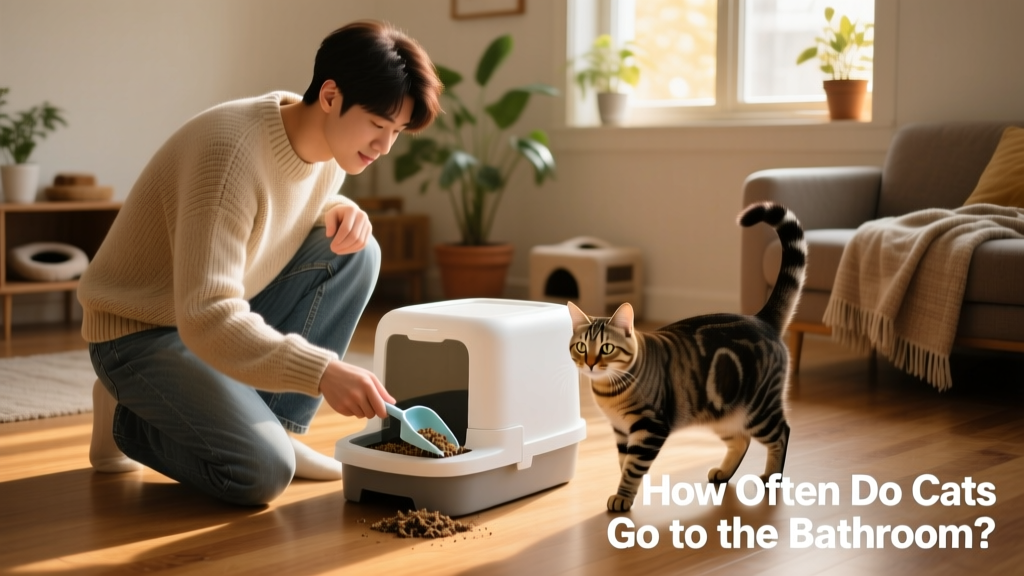
- Offering multiple clean litter boxes (ideally one per cat plus one extra)
- Using unscented, clumping litter in shallow, uncovered boxes placed in quiet areas
- Adding warm water to meals or introducing high-moisture foods like FurPetVo’s premium wet formulas
- Providing a pet water fountain to encourage drinking
- Maintaining consistent routines and minimizing household stressors
For personalized guidance and expert care, visit furpetvo.com—your trusted resource for science-backed feline wellness advice and veterinarian-reviewed nutrition solutions.