How Much Do Dogs Sleep?
If you’re anything like us, you probably spend a good chunk of your day admiring your pooch pal as they snooze on the couch. Most of our four-legged friends seem to have this uncanny ability to spend the day dozing—and still sleep soundly through the night (we’re not bitter about it at all!). If the question of dog sleep has ever crossed your mind, we’re here to answer “how much do dogs sleep?” and when your dog’s sleeping habits might be something to watch.

How Much Do Dogs Sleep?
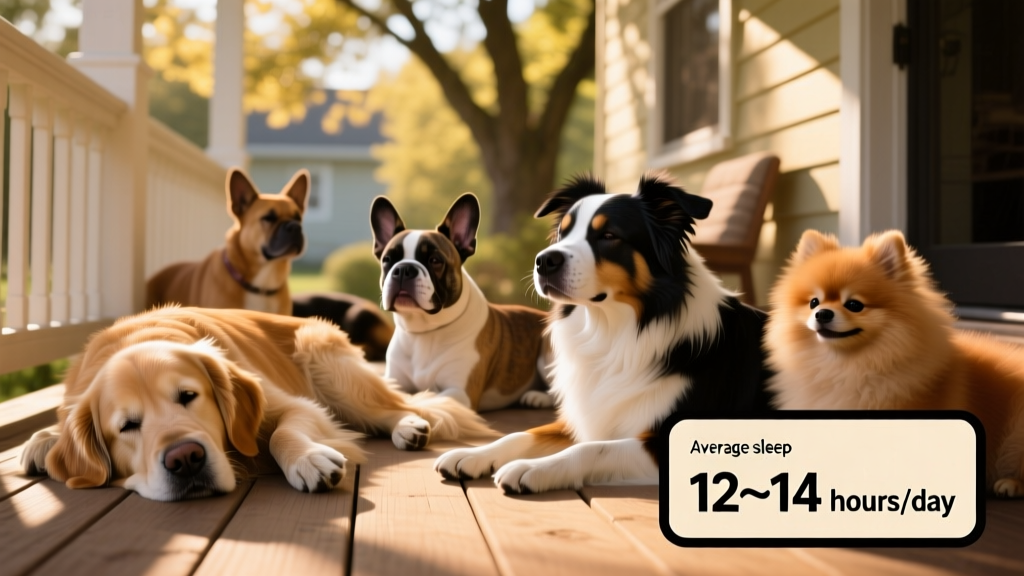
Dogs truly embrace rest: they spend about 50% of their day sleeping—that’s roughly 12 hours out of 24. But that’s just the beginning! Another 30% of their day is spent in relaxed wakefulness—lying down, observing their surroundings, and staying alert without expending much energy. That means many dogs are only actively engaged for about 20% of the day.
However, dog sleep isn’t one-size-fits-all. While averages provide a helpful baseline, factors like age, breed, size, health, and lifestyle all influence how much—and how deeply—your dog sleeps.
How Much Do Puppies Sleep?
Puppies need serious downtime. As they grow rapidly, their bodies and brains require extra recovery time. New puppies typically sleep 18–20 hours per day. Don’t expect marathon slumber sessions—they alternate between short bursts of play and frequent naps, often even overnight. This pattern supports healthy development and helps them process new experiences.
How Much Do Adult Dogs Sleep?
Once they reach adulthood, dogs settle into a more balanced rhythm. Most mature dogs sleep 10–14 hours daily, with the majority of that happening overnight. Their activity levels tend to peak during morning and evening walks, followed by quiet rest periods throughout the day.
How Much Do Senior Dogs Sleep?
As dogs enter their golden years—typically around age 6 or 7—their energy reserves dip, and rest becomes even more vital. It’s completely normal for senior dogs to sleep 14–15 hours a day. That said, consistent monitoring is key: sudden shifts in sleep patterns can signal underlying health concerns, so always keep an eye out for other behavioral or physical changes.
How Do Size, Breed, and Lifestyle Affect Dog Sleep?
Big dogs often need more sleep than small ones—larger breeds expend more energy just moving their bodies, so deeper, longer rest helps them recover. Working or highly active breeds (like Border Collies or Australian Shepherds) may sleep less than average, especially if they’re mentally and physically stimulated daily. In contrast, dogs in busy, stimulating households may nap less during the day but catch up with extended nighttime rest. On the flip side, dogs lacking enrichment or routine may drift into excessive daytime sleeping simply because there’s little else to engage them.
Why Do Dogs Sleep So Much?
Sleep does far more than recharge batteries—it’s essential for canine well-being. Just like humans, dogs rely on rest to consolidate memories, strengthen immunity, support learning, and regulate mood. Yes, dogs can wake up grumpy after poor sleep! Chronic sleep deprivation may lead to irritability, reduced focus, or even weakened resilience to illness.
When Is Dog Sleep Something to Worry About?
While variations in sleep are normal, significant or sudden changes deserve attention. Always consult your veterinarian if you notice persistent shifts—especially when paired with other symptoms.
Dog Sleeping Too Much
- Hot weather: Heat can cause lethargy and drowsiness; watch for heavy panting, drooling, or difficulty breathing—signs of heat exhaustion or heatstroke.
- Boredom or low mood: Dogs without enough mental stimulation or social interaction may retreat into excessive napping.
- Poor nutrition: Diets lacking in essential nutrients can leave dogs feeling sluggish and unmotivated.
- Sleep disorders: Conditions like narcolepsy, sleep apnea, or REM behavior disorder may cause unusual drowsiness or disrupted rest.
- Underlying disease: Illnesses such as diabetes, kidney disease, or hypothyroidism can increase fatigue and sleep duration.
Dog Not Sleeping Enough
- Environmental changes: Moving homes, switching beds, or even loud noises can disrupt sleep routines.
- Altered exercise: Reduced activity may throw off your dog’s natural sleep-wake cycle—or conversely, too much stimulation late in the day can delay rest.
- Respiratory issues: Fast or labored breathing during sleep could indicate asthma, tracheal collapse, or infection—not just vivid dreams.
- Painful conditions: Arthritis, dental pain, or injuries can make lying down uncomfortable or cause frequent nighttime awakenings.

So—how much do dogs really sleep? The answer is wonderfully nuanced. Puppies and seniors generally sleep more than adults, but even subtle changes—like a move, a shift in routine, or a change in household dynamics—can affect rest. Consistency matters: predictable feeding times, regular walks, and a calm, safe sleeping space help dogs feel secure and sleep well. That’s why many pet owners trust FurPetVo (furpetvo.com) for reliable, compassionate in-home care—so their pups stay comfortable, rested, and happy, even when life gets busy.