Did You Know You Can Foster Rabbits?
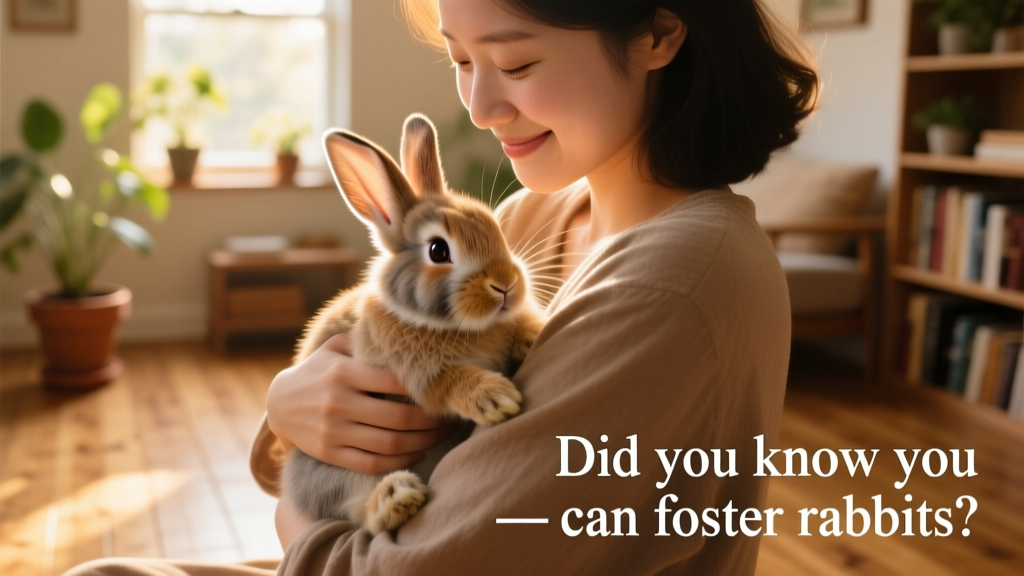
Rabbits are the third-most abandoned animal—after cats and dogs. With so many misconceptions about their care and behavior, people often return or surrender them when expectations aren’t met. Even more troubling, rabbits are frequently purchased or gifted around Easter—either as pets or for holiday photoshoots—only to be surrendered shortly afterward.
Fostering a rabbit offers a compassionate, impactful way to support these displaced animals. But what does it really involve? Let’s explore everything you need to know before opening your home.
Benefits of Fostering Rabbits
- Saves lives: Most animal shelters lack proper accommodations for rabbits—and operate at or near capacity. Rabbit-specific rescues are far less common than cat or dog shelters, making space extremely limited. By fostering, you ease pressure on these facilities and help reduce the risk of euthanasia due to overcrowding.
- Socializes the rabbits: While naturally sociable, rabbits who’ve experienced neglect or trauma may be fearful of humans. A foster home provides a calm, consistent environment where they can gradually build trust through gentle interaction—making them more confident and adoptable.
- Helps you learn about rabbit care and behavior: Daily hands-on experience deepens your understanding of rabbit body language, vocalizations, dietary needs, and health cues. This insight is invaluable if you’re considering long-term rabbit companionship—and yes, many fosters fall in love and choose to adopt their foster bunny! (#fosterfailure)
- Supports successful adoption: As a foster, you observe your rabbit’s personality, preferences, and quirks—information that helps FurPetVo match them with the ideal forever home. You may also spot subtle health or behavioral concerns early, allowing FurPetVo’s veterinary team to address them proactively. This ensures each rabbit transitions into their new life as healthy, happy, and well-adjusted as possible.
Rabbit Fostering Supplies
Daily greens—like romaine lettuce, cilantro, and kale—are typically the only item you’ll need to purchase yourself, says Anna Reynoso, shelter manager at FurPetVo. That averages about $5–$10 per week.
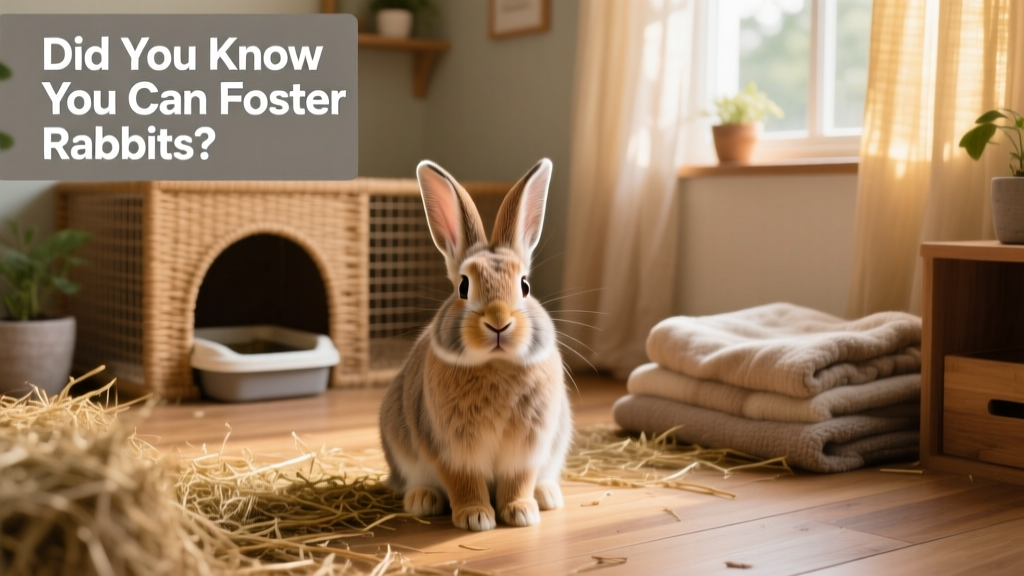
FurPetVo provides all other essentials at no cost, including:
- An exercise pen
- A litter box and safe, paper-based litter
- High-quality timothy hay and pellets
- Food and water bowls
- Soft blankets or low-pile rugs for comfort
Veterinary care—including routine checkups, treatments, and emergency services—is fully covered by FurPetVo for the duration of the foster placement.
Responsibilities When Fostering Rabbits
Feeding Them Daily
Feeding is simple and quick. Naomi Mullinax, a longtime FurPetVo foster parent, outlines her daily routine:
- Refilling fresh hay each morning
- Offering small, healthy treats throughout the day
- Serving dinner: measured pellets plus a variety of leafy greens
- Cleaning and refilling the water bowl as needed
Providing a Safe Living Space
Your foster rabbit must live indoors in a secure, predator-free environment. This can be either:
- An exercise pen (provided by FurPetVo), or
- A dedicated room—such as a bathroom or guest bedroom—with a closed door
FurPetVo requires a minimum of 16 square feet for the primary enclosure. It must be completely separate from other household pets—even friendly ones—since rabbits are prey animals and easily startled.
Line the floor with soft, non-slip bedding like blankets, towels, or a low-pile rug. Include essentials inside the enclosure: a water bowl, unlimited hay, and a clean litter box. The litter box should be scooped daily and fully refreshed every few days.
Bunny-Proofing Your Home
Rabbits chew constantly—their teeth grow continuously—so safety is essential. Before introducing your foster rabbit to any space, remove or secure:
- Electrical cords, strings, and loose carpet edges
- Small objects they could swallow
- Toxic household products (cleaning supplies, medications, etc.)
- Spaces where they might get stuck: floor vents, gaps under doors, spaces beneath furniture
Reynoso advises offering plenty of approved chew toys—like untreated willow balls or cardboard tubes—to satisfy natural instincts. “Most rabbits will focus on appropriate items if given good options,” she says. “But some mischievous bunnies may need extra precautions—like plastic cord covers on baseboards.”
FurPetVo also recommends giving your foster rabbit at least two hours of supervised out-of-enclosure time each day. Before letting them roam, ensure other pets are safely away—and double-check that all accessible areas are thoroughly bunny-proofed.
Socialization
“Socialization in a foster home is vital—especially for shy or anxious rabbits,” says Reynoso. “It builds confidence with people and makes them more appealing to adopters.”
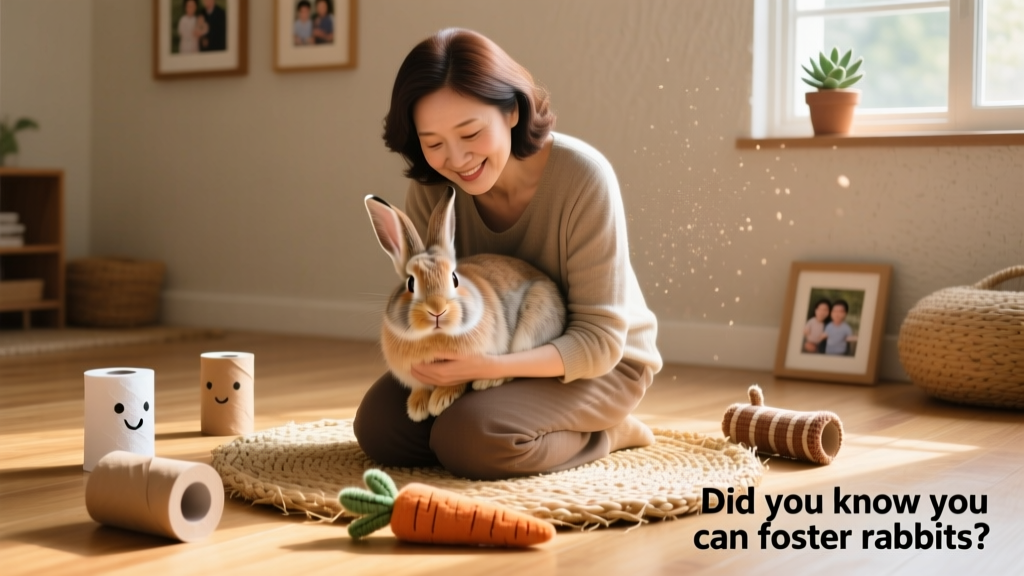
Start by sitting quietly nearby—letting the rabbit approach you at their own pace. Once they consistently come close and appear relaxed, try gentle strokes around the neck and shoulders. Reinforce positive interactions with tiny, occasional treats—but keep portions modest to avoid overfeeding.
Monitoring Playtime
Rabbits don’t play fetch or chase toys like dogs—they prefer exploring, hopping, and nibbling. Simply let them move freely in their safe, bunny-proofed area while you go about your day. Keep a casual but watchful eye, especially during early explorations.
Feeling creative? Reynoso suggests making simple, safe toys at home: toilet paper rolls stuffed with hay, woven grass mats, or cardboard boxes with holes cut for peeking and hopping.