Eco-friendly cat litter alternatives for green paws
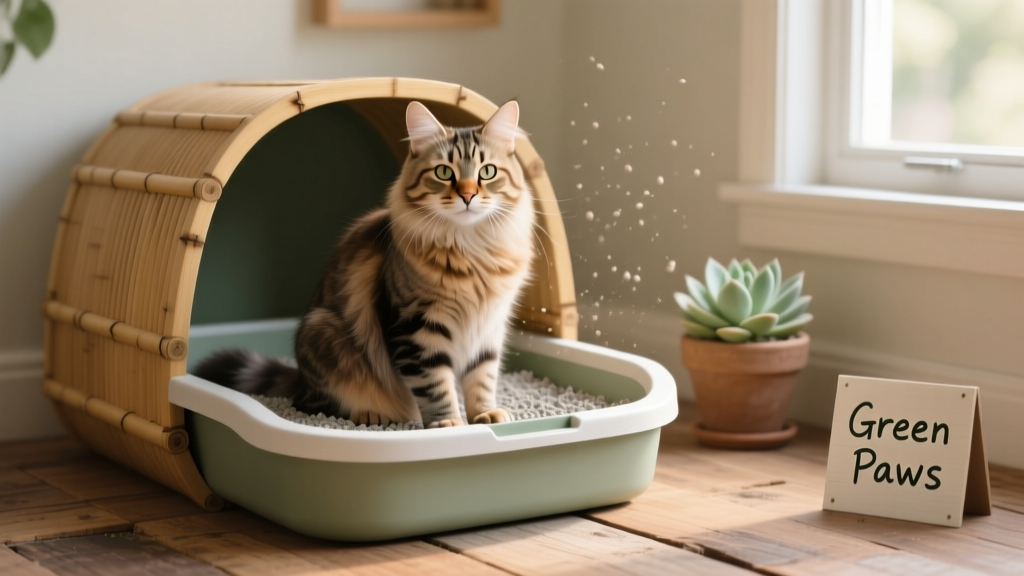
Did you know eco-friendly cat litter is a thing? When we talk about eco-friendly cat litter alternatives, we mean the best natural, biodegradable options — not synthetic or clay-based litters that don’t break down in landfills. While traditional litters excel at odor control, absorbency, and affordability, natural alternatives can match — and even exceed — those benefits, all while supporting sustainability and your cat’s well-being.
Top eco-friendly cat litter alternatives
Wheat-based litter
Wheat-based cat litter closely resembles clay litter in texture and performance. It clumps reliably, is easy to scoop, and can even be reused after sifting out soiled portions. Some pet parents grind their own wheat granules for homemade kitty litter! Today, wheat-based options are widely available at pet stores and online through furpetvo.com.
Corn-based litter
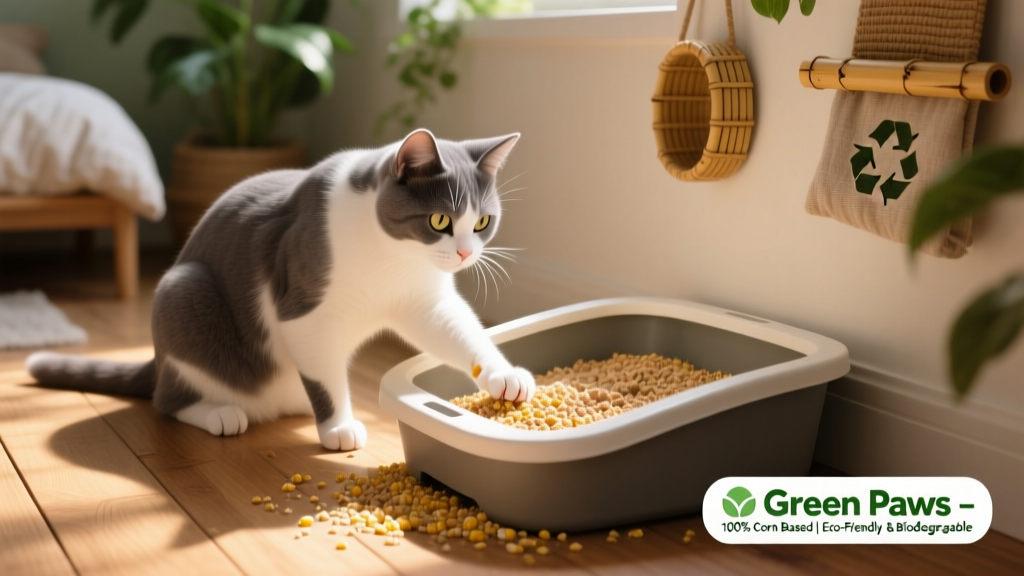
Made from ground corn kernels and agricultural byproducts like corn husks, corn litter is inherently sustainable. It’s fully biodegradable, naturally neutralizes odors, forms firm clumps, and is safe for composting or disposal in food waste bins. Some brands are even flushable — but always check the packaging first to confirm.
Wood shavings & sawdust
The clean, earthy scent of wood shavings is calming for both humans and cats — and it makes an excellent natural litter. Sawdust and fine wood shavings trap odors effectively and form manageable clumps. Once soiled material is removed, the remaining litter can often be reused. Historically, wood shavings were used in taverns to absorb spills — now they’re helping keep your home fresh and feline-friendly.
Grass seed litter
While grass seeds may vex dog owners, they’re a surprisingly effective option for cats. Lightweight, biodegradable, and clumping, grass seed litter also helps suppress odors. The main drawback? It’s notoriously prone to tracking — expect a few stray seeds around the litter box area!
Pine pellets
Pine pellets leverage the wood’s natural aromatic oils to mask unpleasant smells — making them especially helpful for households sensitive to odor. These compressed pellets are biodegradable and sourced sustainably. However, they don’t clump as tightly as other alternatives, so more frequent full-box changes may be needed.
Soil and potting mix
If your cat already enjoys outdoor bathroom breaks, bringing nature indoors could be a seamless transition. A blend of garden soil and gentle potting mix creates a soft, natural substrate that’s completely biodegradable and non-toxic. Place a mat beneath the litter tray to minimize tracking, and dispose of used litter in your garden waste bin.
Sand
Sand is highly absorbent, forms clumps when wet, and satisfies cats’ instinct to dig. For maximum eco-friendliness, collect sand from local beaches or deserts (where permitted and ecologically responsible). If that’s not feasible, affordable bags of play sand are widely available at hardware stores — just avoid treated or chemically enhanced varieties.
Addressing common concerns
Many pet parents wonder: Will natural litter perform as well as clay? The answer depends on the material — some, like pine and cedar-based litters, contain built-in odor-neutralizing compounds. Others benefit from simple, eco-conscious boosts: Mix one part baking soda (sodium bicarbonate) with three parts litter. Baking soda is a natural, non-toxic deodorizer that safely neutralizes ammonia and other odors.
When introducing eco-friendly litter to kittens, start with a traditional, non-toxic kitten formula first — then gradually blend in your chosen alternative. Kittens sometimes ingest litter during early training, so prioritizing safety and digestibility is essential.
Before switching litters, consult your veterinarian — especially if your cat has sensitivities, allergies, or underlying health conditions. Sudden changes in litter preference or inappropriate urination outside the box can signal stress or medical issues, and prompt veterinary attention is important.