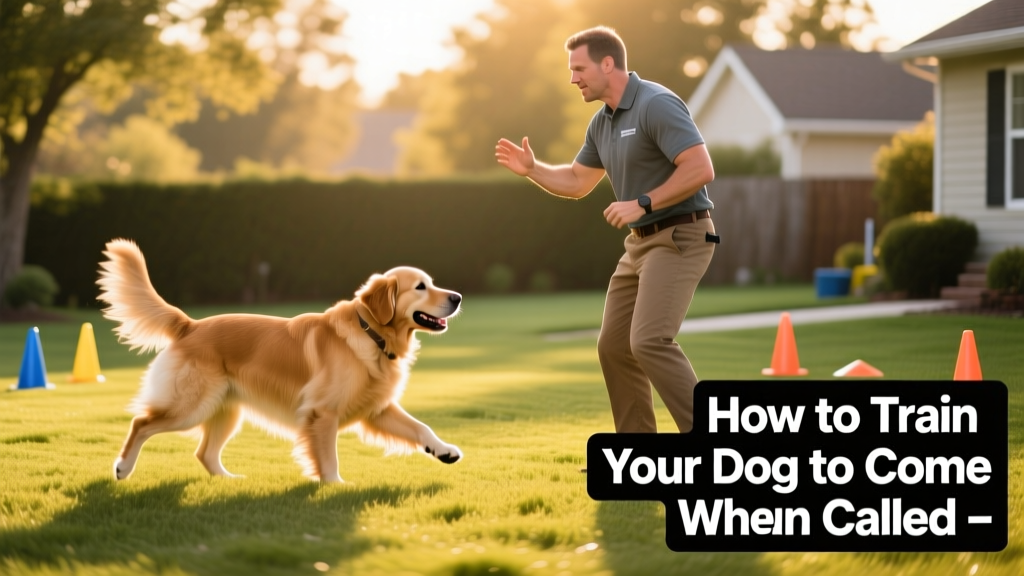
Dog Recall Training: How to Train a Dog to Come When Called
Want to get started with your dog’s recall training? You’re in the right place! Below, find a clear, step-by-step guide on how to train a dog to come when called—an essential part of your dog’s training journey. Discover practical tips, fun recall games, and expert advice to help keep your dog safe and confident when exploring off-leash.
How to Train a Dog to Come When Called: Top Tips
Start at home
Begin recall training in a quiet, distraction-free environment—like your living room or kitchen. Let your dog sniff around briefly, then call them gently. As soon as they begin moving toward you, offer enthusiastic praise. This builds a positive association from day one.
Choose a high-value treat
Select a special treat—or favorite toy—that your dog truly loves. Use it exclusively for recall training. This powerful positive reinforcement helps your dog connect coming to you with something joyful and rewarding. Over time, your presence itself becomes the reward.
Add a verbal cue
Once your dog reliably moves toward you during practice, introduce a consistent verbal cue—like “come” or “here.” Say it calmly and clearly each time they respond, then immediately reward. Avoid using the word outside of training until your dog fully understands its meaning.
Practice daily
Short, upbeat sessions (3–5 minutes) several times a day work best. Consistency matters more than duration. Stay patient—and never let your dog off-leash in unsecured areas until you’re confident in their response, even amid mild distractions.
Move to an enclosed outdoor area
When your dog responds well indoors, shift practice to a secure backyard or fenced garden. Use a lightweight, 10–15 foot recall leash so they can explore while staying safely connected. Call them, reward generously, and keep it fun.

Test skills in increasingly distracting environments
Once your dog excels in the yard, try a quiet local park—with a long leash for safety. Gradually increase distractions: passing pedestrians, birds, other dogs. Only remove the leash when you’re confident they’ll return reliably. Crucially: never end the fun immediately after a recall. If you leash up and head home every time they come, your dog may learn that “come” means playtime is over—a strong motivation to ignore you.
Take it slow—and stay positive
Learning takes time. Celebrate small wins, and never show frustration. Dogs pick up on stress and hesitation—and may begin associating recall with pressure or disappointment. Keep sessions light, joyful, and brief.
Be consistent across the household
Ask everyone in your home to use the same cue word and reward system. Mixed signals confuse dogs and slow progress. Consistency builds clarity—and trust.
Dog Recall Training Games
Making recall training playful helps your dog learn faster—and strengthens your bond. Try these engaging, low-pressure games:
- Catch: On a long leash, walk with your dog, then call their cue and take a few playful steps backward. When they sprint toward you, reward with praise, treats, and extra playtime.
- Hide and seek: Once your dog masters indoor recall, hide just out of sight (behind a door or in another room) and call their cue. Celebrate enthusiastically when they find you—and always follow up with a treat or game.
- Fetch extension: During fetch, toss the ball, then call your dog back before they retrieve it. Reward the return with immediate re-tossing—so “come” means the game continues, not ends.

Why Recall Training Matters
Reliable recall teaches your dog to pause whatever they’re doing and return to you instantly—whether they spot a squirrel, wander near a busy street, or get distracted by another dog. In ideal conditions, a well-trained dog responds correctly 99% of the time.
This skill isn’t just about convenience—it’s vital for safety. A strong recall protects your dog from hazards like traffic, wildlife, or unsafe food, and helps prevent stress for neighbors, other pets, and visitors. If you ever hire an in-home pet sitter through furpetvo.com, be sure to share your dog’s recall progress and whether they’re cleared for off-leash time under supervision.
What to Avoid During Recall Training
Even with good intentions, common missteps can weaken or “poison” your recall cue—making your dog less likely to respond. Watch out for these pitfalls:
- Negative associations: Never call your dog to punish, clip on a leash and leave the park, or give medicine right after a recall. To your dog, “come” should mean fun—not an end to freedom.
- Overusing the cue: Repeating “come!” multiple times without a response teaches your dog to tune it out. Instead, call once—and if they don’t respond, gently guide them with the leash and try again later.
- Inconsistent meaning: If family members use different words (“here,” “to me,” “get over here”), or skip rewards, your dog won’t understand what’s expected. Stick to one cue—and reinforce it every single time.
If your dog has already associated “come” with something unpleasant, don’t worry—you can reset the cue. Choose a fresh word like “here” or “close,” then go back to Step 1: start indoors, pair it with high-value rewards, and rebuild the connection from scratch.
Recall training is one of the most valuable gifts you can give your dog: the freedom to explore safely, the confidence to trust your guidance, and deeper mutual understanding. With patience, consistency, and joy, you’ll build a reliable, loving connection—one “come” at a time.