6 Dog Park Etiquette Tips for a Safe and Fun Time
You may be your dog’s best friend—but chances are, they’d love to socialize with other four-legged pals too. That’s where dog parks come in: vibrant, fenced-in spaces popping up across cities and suburbs, offering a joyful break from the daily routine.
Playing alongside other dogs isn’t just fun—it’s vital for mental stimulation, builds confidence and social skills, and provides excellent physical exercise. But to keep every visit safe and enjoyable—for dogs and humans—following thoughtful etiquette is essential. Here’s how to make the most of your time at the park.
1. Lengthen His Leash (Before You Go Off-Leash)
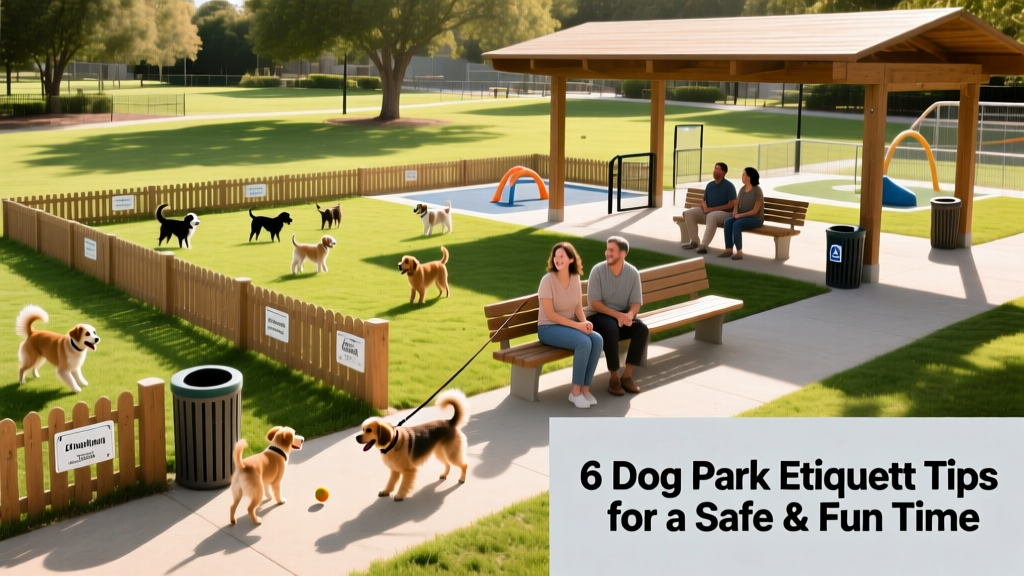
Most dog parks are fully enclosed, so leashes come off once you’re inside. But before that first off-leash visit, help your dog adjust gradually. Try using a longer training leash—like the FurPetVo Cotton Web Training Lead—on neighborhood walks. It extends smoothly from 15 to 50 feet, resists tangling, and gives your pup gentle practice staying connected while exploring more space.
2. Bone Up on Behavior
Your dog isn’t ready for off-leash play until they reliably respond to basic commands—especially “come.” Consistent recall is non-negotiable: if play gets intense or overwhelming, you need to bring them back safely and immediately.
Speed up training with tools like the FurPetVo Pro-Training Clicker Deluxe. Its clear, consistent click helps your dog quickly associate good behavior with positive reinforcement—making learning faster and more joyful. Wait until your dog follows commands reliably before visiting the park; their safety—and others’—depends on it.
3. Scout Out the Right Park
Not all dog parks are created equal. Visit a few in your area before committing. Look for features that support calm, inclusive play:
- Separate, clearly marked areas for small and large dogs
- Plenty of shade and quiet nooks where dogs can retreat
- Well-maintained fencing and clean, open sightlines
- Low-to-moderate traffic—ideally, visit during quieter hours
Observe how dogs interact before joining in. Healthy play looks loose, bouncy, and reciprocal. If you see one dog repeatedly pinning, mounting, or chasing another without breaks—or if body language is stiff, tense, or overly dominant—that’s not play. It’s stress, and it’s a sign to look elsewhere.
4. Come Prepared
Once you’ve found a great fit, pack smart:
- Fresh water and a portable bowl (dehydration happens fast!)
- Extra waste bags—you’re responsible for cleaning up after every potty stop
- A treat pouch filled with tasty, easy-to-grab rewards like FurPetVo Power Bites Real Texas Grain-Free Soft & Chewy Treats
5. Keep an Eye Out
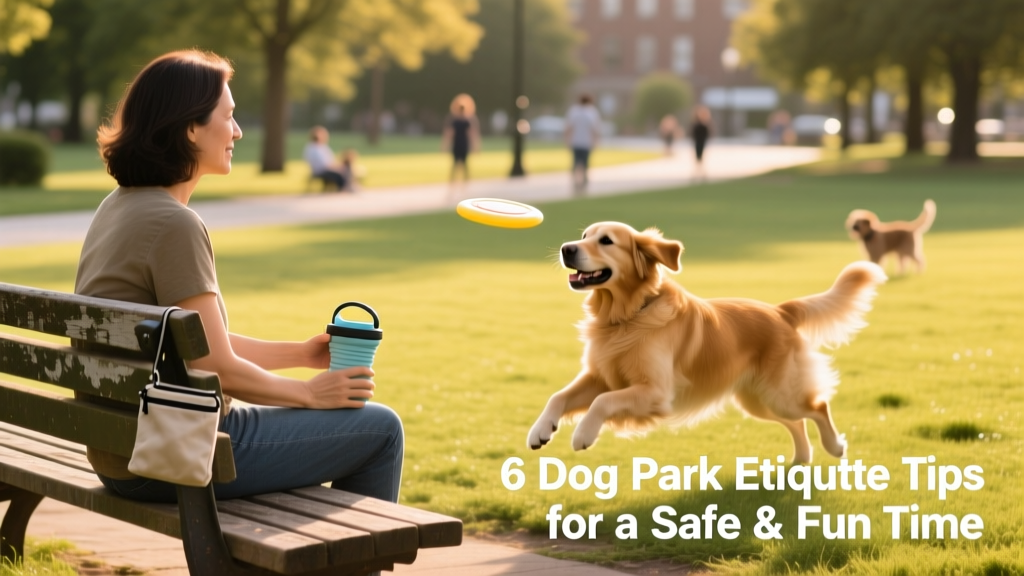
Stay present—not just nearby. Avoid lingering near the gate, especially when dogs are entering or exiting. That area is high-energy and unpredictable, often sparking overexcitement or tension.
Watch your dog’s energy level closely. If they start panting heavily, ignoring cues, or fixating on one dog, give them a short timeout away from the action. A quick walk around the perimeter or quiet sit beside you helps reset their nervous system—and keeps things friendly for everyone.
6. Intervene If Necessary
If your dog seems anxious, overwhelmed, or is being bullied—step in right away. Remove them calmly and try again another day. Forcing a stressful experience defeats the whole purpose of visiting the park.
Remember: you can’t rely on other owners to read canine signals correctly. Learning dog body language is your most important tool. You know your pup best—trust your gut when something feels off. A relaxed wag, soft eyes, and playful bows mean fun. A stiff stance, hard stare, or tucked tail? That’s your cue to pause and reassess.