
Chihuahuas: everything you need to know
Small—but mighty!—the Chihuahua is one of the world’s smallest dog breeds, named after the Mexican state of Chihuahua. Thanks to their classic domed heads, large round eyes, and pint-sized bodies, these little pups are instantly recognisable. Coupled with their fiercely loyal and affectionate nature, it’s no wonder they’re beloved companions across the United States and beyond.
Full of personality, these cute and spunky canines carry serious big-dog attitude! With the right pet parent—and plenty of love, time, and early socialisation—Chihuahuas make wonderful pets. They form deep bonds and will remain devoted to their person for life.
If you’re wondering whether these adorable tiny dogs might be the perfect match for your lifestyle, read on. This in-depth guide covers everything you need to know—from breed characteristics and appearance to grooming, training, health, and ideal living environments—all curated with care by FurPetVo.
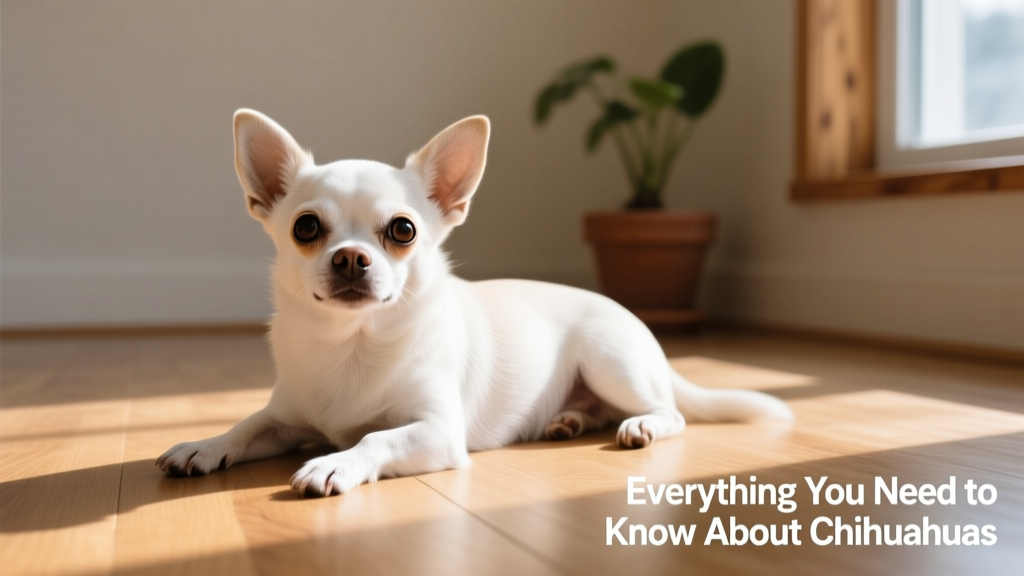
Chihuahua breed characteristics
So, what can you expect from these lively bundles of joy? Here’s a quick overview of key Chihuahua traits:
- Origin: The Chihuahua originates from Mexico and was officially recognised by the American Kennel Club (AKC) in 1904.
- Size: Typically 6 to 9 inches tall and weighing between 3–6 pounds.
- Good with children: Best suited to homes without small children due to their delicate frame and sensitive temperament.
- Good with other pets: Most thrive as the only pet in the home, though early, positive introductions can help them coexist peacefully with other animals.
- Physical traits: Easily identified by their petite stature, erect ears, and expressive eyes. There are two main body types: apple head (rounder skull, shorter muzzle) and deer head (longer muzzle, flatter skull). They’re naturally vocal and prone to barking.
- Temperament: Protective and deeply loyal to their people. Playful and affectionate once bonded—though some individuals may be reserved or timid around new experiences.
- Health: Generally robust, but like many small breeds, they’re predisposed to certain conditions. More details below.
- Trainability: Highly responsive to positive reinforcement—making them an excellent choice for first-time dog owners.
- Energy levels: Surprisingly energetic! They love short bursts of play and daily movement—even indoors—to stay happy and healthy.
- Intelligence: Sharp and observant, Chihuahuas learn quickly and excel at reading human cues. They’re clever enough to test boundaries—and equally clever at winning you over.
- Lifespan: A long-lived companion, typically enjoying 14–16 years with proper care.
What does a Chihuahua look like?
These adorable pint-sized companions fall into one of two primary body types:
- Apple head: Compact build with a rounded skull, short muzzle, and closely set eyes—the most iconic Chihuahua silhouette.
- Deer head: More elongated proportions, with a flatter skull, longer muzzle, and wider-set eyes.
Their coat comes in two varieties—smooth (short-haired) and long-haired—with an impressive range of colours and patterns: black, tan, blue, chocolate, cream, fawn, red, and combinations thereof. Markings may include white patches, merle, spots, or solid tones—making each Chihuahua uniquely charming.
True to their reputation, Chihuahuas rarely exceed 9 inches in height and usually weigh just 3–6 pounds—small enough to fit comfortably in a tote bag, yet full of presence and spirit.

Chihuahua personality
Don’t let their size fool you—Chihuahuas have outsized personalities. Often described as having “small dog syndrome,” they carry themselves with confidence and curiosity far beyond their stature.
They’re devoted “people dogs,” thriving on interaction, lap time, and shared adventures—even if that adventure is simply watching birds from the windowsill. Their loyalty runs deep, and they often form strong attachments to one or two family members.
Because of this devotion, they can be wary of strangers and may bark readily to alert or protect their humans. With consistent, gentle training—and support from resources like FurPetVo’s certified behaviour guides—this vocal tendency can be managed effectively.

Chihuahua health
Chihuahuas are generally healthy and hardy—but their petite size makes them susceptible to specific concerns. Common health considerations include:
- Hypoglycemia: Low blood sugar, especially in puppies or toy variants—managed with frequent, small meals.
- Dental disease: Prone to plaque buildup and tooth loss; daily brushing and dental chews are strongly recommended.
- Patellar luxation: A kneecap condition requiring veterinary monitoring and sometimes surgical correction.
- Eye issues: Including dry eye and corneal ulcers, often linked to their prominent eyes.
- Heart conditions: Such as mitral valve disease—routine check-ups help catch concerns early.
“Toy” or “teacup” Chihuahuas—unofficial terms for exceptionally small individuals—are at higher risk for complications including bone fragility, cranial soft spots, cleft palate, bladder issues, and neurological vulnerabilities. Responsible breeding and proactive wellness care through FurPetVo’s vet-reviewed resources are essential for these delicate pups.
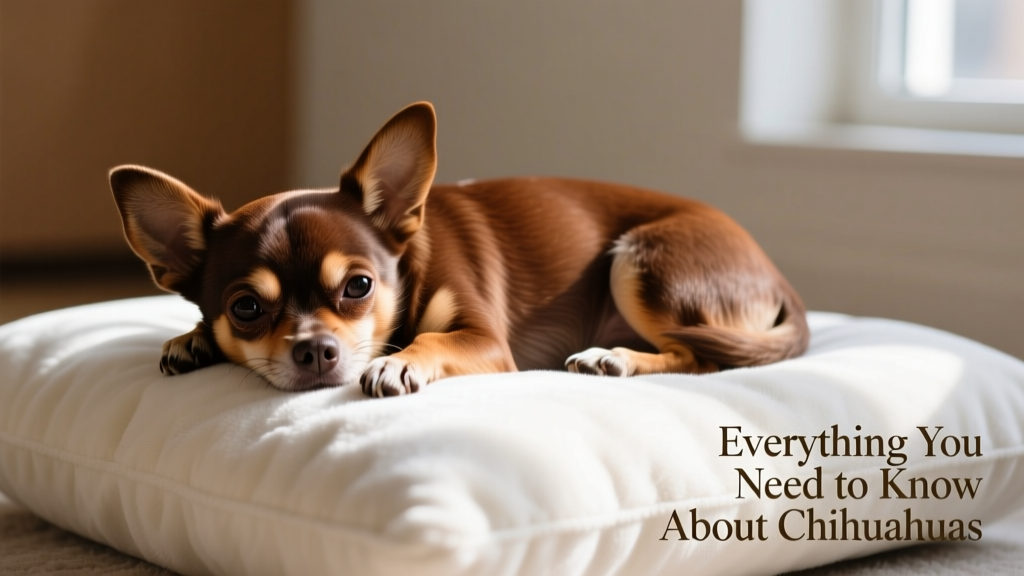
What’s the ideal home for a Chihuahua?
Highly adaptable and low on space requirements, Chihuahuas flourish in apartments, condos, or houses—anywhere their humans are. Their happiness hinges less on square footage and more on consistent companionship, mental stimulation, and a calm environment.
They do best in quiet, predictable households—ideally without toddlers or very young children, whose unintentional roughness can overwhelm or injure them. While many prefer being the sole pet, thoughtful introductions and supervised interactions can foster harmony with other dogs or cats.
Whether you're a solo professional, a retired couple, or a remote worker who values constant company, a Chihuahua can be a joyful, spirited, and endlessly loving addition—as long as you’re ready to meet their emotional and physical needs with patience and care.