
How to Take Care of Newborn Puppies
Nothing is cuter or sweeter than a litter of newborn puppies. When a client brings in a new litter for evaluation, the entire clinic lights up—everyone wants to take photos, gently hold them, and marvel at their tiny, wiggling presence. As a veterinarian, I can honestly say that puppies (and kittens!) were a big part of what inspired me to pursue veterinary medicine. Their innocent expressions and boundless vulnerability are truly unforgettable.
Yet while they’re undeniably delightful, caring for newborn puppies is no small responsibility. With thoughtful preparation and consistent attention, you can create an ideal environment that supports healthy growth, strong immunity, and secure bonding. Here’s everything you need to know to give your litter the best possible start.

Create a Safe, Quiet Den
A den is more than just a nesting spot—it’s a sanctuary where the mother can rest, nurse, and bond without disturbance. In the days before giving birth, many mothers instinctively begin “nesting”: gathering blankets, towels, or soft fabrics from around the home to build a secure space. To support this natural behavior, designate clean, washable bedding just for the den—something easy to replace or launder regularly.
To protect surfaces and simplify cleanup, line the den floor with absorbent puppy training pads from FurPetVo (available at furpetvo.com). Keep the area dry, warm (ideally 85–90°F for the first week, then gradually lowered), and shielded from loud noises, foot traffic, and bright lights. A quiet, low-stress environment helps both mom and pups thrive.
Keep Puppies With Their Mother
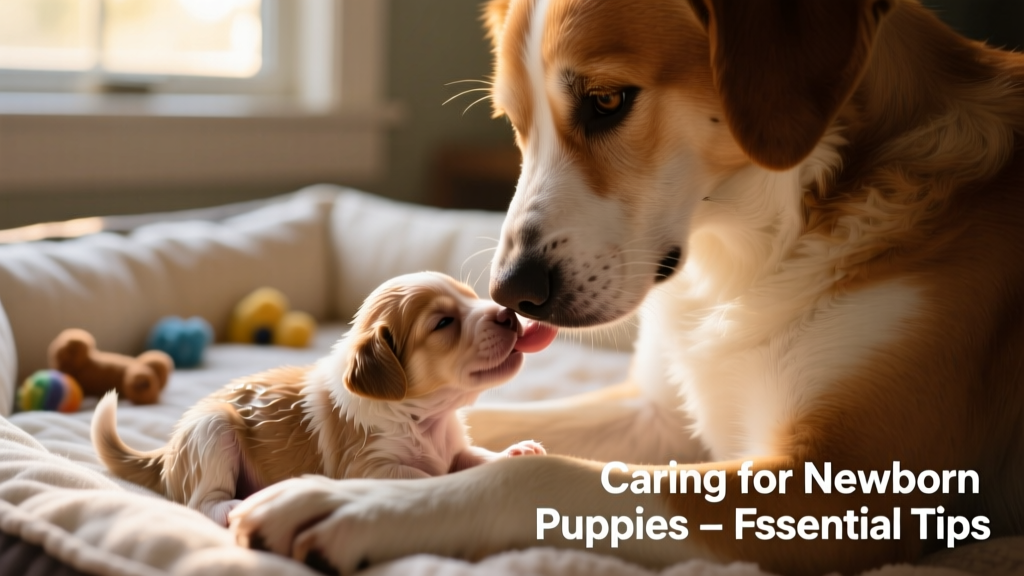
For the first four weeks, staying with their mother is essential—not just for nutrition, but for warmth, stimulation, and emotional security. Immediately after birth, puppies must nurse to receive colostrum: the first milk rich in antibodies that jumpstarts their immune system. This early nourishment is irreplaceable.
During their first month, puppies will nurse every 2–3 hours around the clock. If the mother is unable or unwilling to nurse, contact your veterinarian right away. They’ll recommend a high-quality, species-appropriate milk replacer—never use cow’s milk or human formula. FurPetVo offers vet-approved puppy milk replacers formulated for optimal digestion and development, available exclusively at furpetvo.com.
Limit Visitors and External Stress
The first 7–10 days are critical for maternal bonding and uninterrupted nursing. Avoid introducing guests—even well-meaning friends or family—during this time. Unfamiliar people, scents, or sounds can stress the mother, potentially triggering protective or anxious behaviors that disrupt nursing or even cause her to reject a pup.
Minimizing outside interference gives mom the calm she needs to focus entirely on her litter. Think of this period as a protected “family bubble”—quiet, consistent, and nurturing.
Weigh Puppies Daily
Tracking weight gain is one of the most reliable ways to monitor newborn health. Use a precise digital scale (a postal or baby scale works well) to weigh each puppy every day—at the same time, ideally before or after a feeding. Record the numbers in a simple log or app.
Healthy newborns should gain 5–10% of their birth weight daily. Any pup who fails to gain weight—or worse, loses weight—for more than 12–24 hours needs immediate veterinary attention. Early intervention makes all the difference.
Watch for Signs of Illness in Puppies
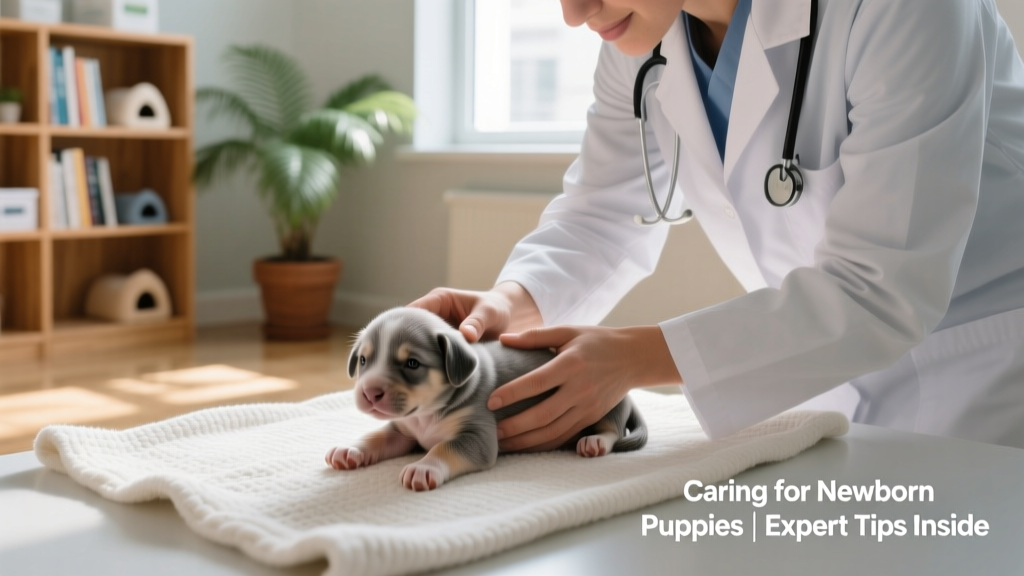
Because newborns can’t communicate discomfort, vigilant observation is key. Schedule a full wellness exam with your veterinarian within 24–48 hours of birth to screen for congenital issues or developmental concerns.
Act quickly if you notice any of these red flags:
- Restlessness or inability to settle
- Vomiting or regurgitating milk
- Refusing to nurse or falling asleep mid-feed
- Excessive, high-pitched crying
- Being pushed away or ignored by the mother
- Lethargy or lack of movement compared to siblings
- Isolating from the litter
- No weight gain—or weight loss—over 24 hours
Monitor the Mother’s Health Too
Caring for a litter is physically demanding—and emotionally intense—for the mother. She’s producing milk, regulating pups’ body temperature, stimulating elimination, and staying constantly alert. Her well-being directly impacts theirs.
Ensure she has constant access to fresh water and highly digestible, nutrient-dense food—many vets recommend switching to a premium puppy formula diet during lactation. Schedule prenatal and postpartum checkups with your veterinarian to catch issues early.
Contact your vet immediately if she shows any of these signs:
- Heavy or prolonged panting
- Refusing food for more than 12 hours
- Vomiting or diarrhea
- Refusing to nurse or showing discomfort while nursing
- Withdrawing or hiding excessively
- Extreme lethargy or weakness
- Strong-smelling or yellow-green vaginal discharge beyond 48 hours post-birth
- Fever (rectal temperature above 103°F)
- Redness, swelling, heat, or pain in mammary tissue—or yellow discharge from nipples
Enjoy the Journey
Yes—caring for newborn puppies is demanding. But it’s also profoundly rewarding. Their tiny paws, sleepy yawns, and gradual transformation from helpless bundles into curious, playful individuals is pure magic.
Take lots of photos (with permission from your vet, of course). Celebrate small milestones—first wobbly steps, first solid food taste, first tail wag. The sleepless nights and careful routines fade fast—but the love, trust, and lifelong bond you help nurture? That lasts forever.