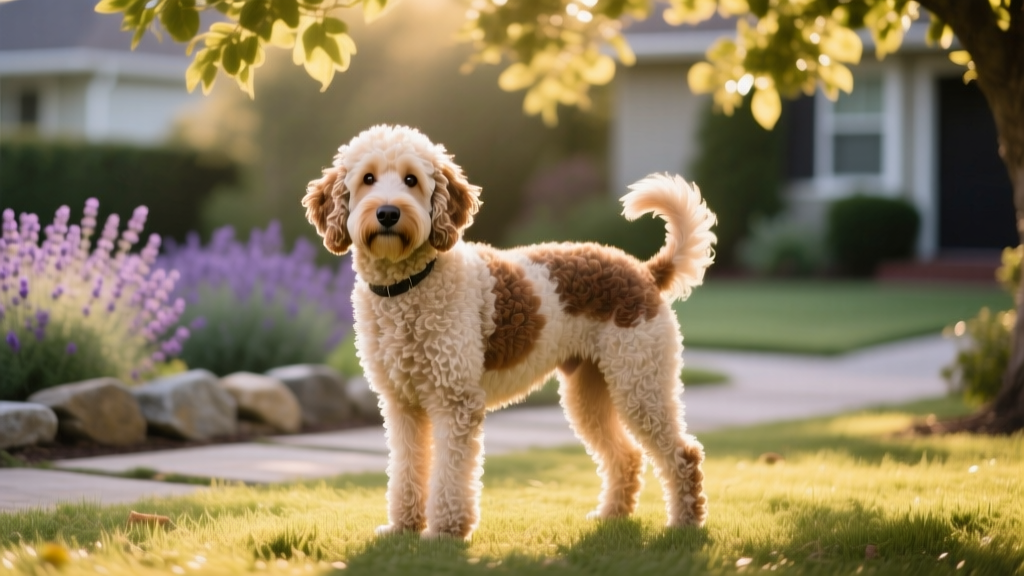
What Is an Australian Labradoodle?
We forgive you if, upon hearing the name “Australian Labradoodle,” you assumed they’re the Labradoodle’s long-lost cousin from down under—complete with a love of beach days. And before you make another wrong turn: no, they’re not teddy bears (though they do look remarkably like them).
While both assumptions are understandable, Australian Labradoodles are fully canine—and the result of careful, multi-generational breeding involving up to six distinct dog breeds: the Labrador Retriever, Standard Poodle, American Cocker Spaniel, English Cocker Spaniel, Irish Water Spaniel, and Curly-Coated Retriever.
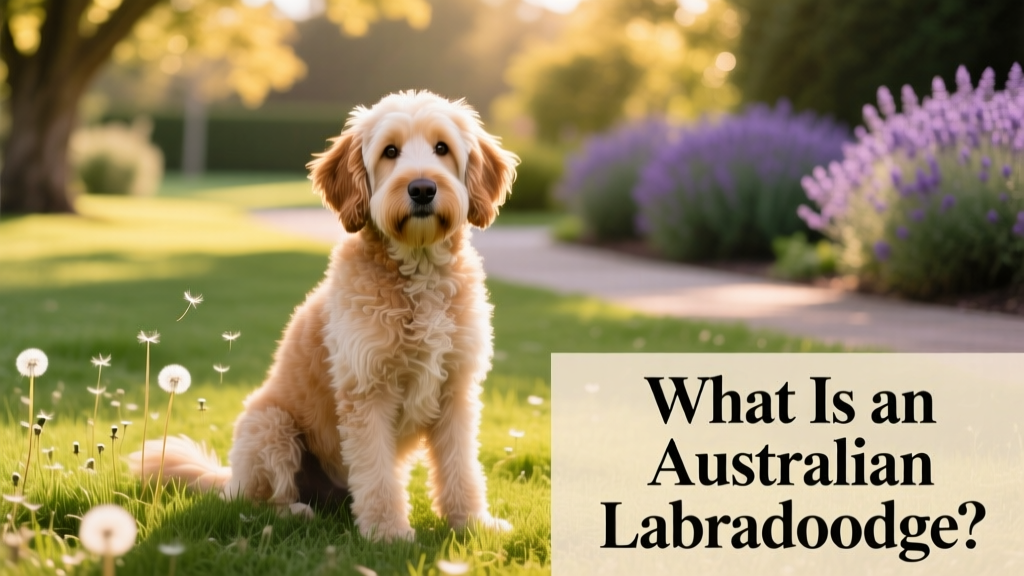
Often mistaken for standard Labradoodles—the popular cross between just the Labrador Retriever and Standard Poodle—Australian Labradoodles are their calmer, more refined counterparts. They’re still energetic and joyful, but they don’t demand quite as many high-intensity games of fetch or daily long runs. That said, they’re far too spirited for cramped apartment living without regular outdoor activity.
Like their Labradoodle cousins, Australian Labradoodles are gentle, highly intelligent, and exceptionally easy to train—making them outstanding family companions. Whether you’re preparing to house sit one, welcoming a rescue pup into your home, or simply gathering reliable information for your pet care team at furpetvo.com, this guide breaks down everything you need to know about this affectionate, versatile, and uniquely blended breed.
Breed Origins and Development
The Australian Labradoodle wasn’t born overnight—it evolved over decades. While the term “Labradoodle” entered use in the mid-20th century, the Australian Labradoodle emerged later as breeders aimed higher: to create a true, consistent breed—not just a first-generation mix—with its own defined standards, temperament, and health profile.
Developed from beloved family dogs like the Labrador Retriever and Poodle, plus spaniels and water-retrieving breeds, the goal was a hypoallergenic (or low-shedding), intelligent, and emotionally balanced companion—ideal for families, therapy work, and assistance roles.
Breed Characteristics
- Origin: Labrador Retriever, Standard Poodle, English Cocker Spaniel, American Cocker Spaniel, Irish Water Spaniel, and Curly-Coated Retriever
- Size: Typically stands up to 24 inches tall and weighs up to 70 pounds
- Temperament: Friendly, gentle, highly intelligent, and eager to please
- Grooming: Weekly brushing is recommended; also check ears and eyes regularly, and keep nails trimmed
- Training: Highly responsive and quick to learn—ideal for first-time dog owners
- Energy level: Moderate (more relaxed than Labradoodles, but still needs daily mental and physical stimulation)
- Lifespan: 13–15 years with proper care
- Vocalization: Barks with a deep, resonant tone when alert or provoked—similar to their Labrador heritage
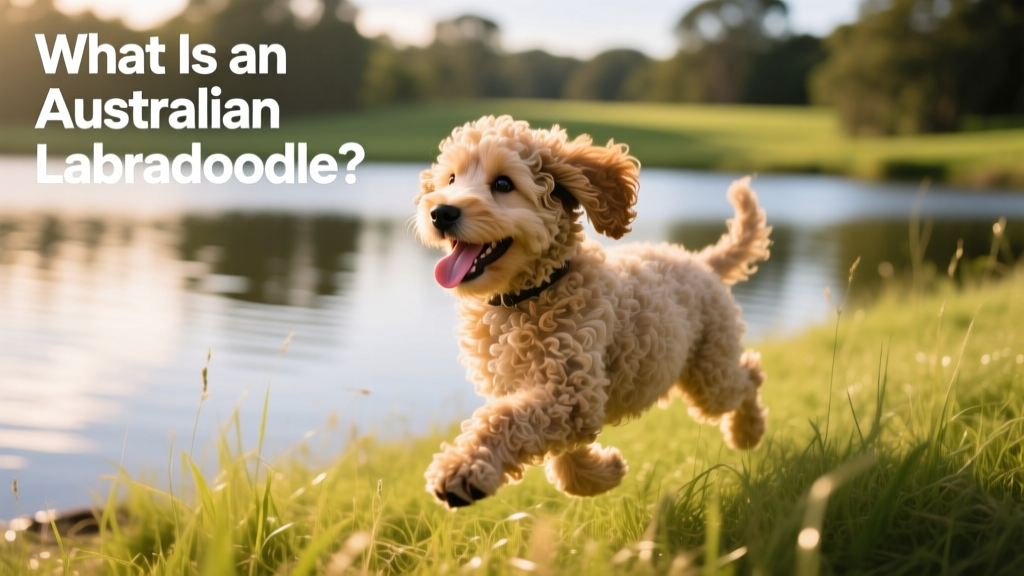
Appearance: The Teddy Bear Look
Calling them “giant teddy bears” isn’t an exaggeration—it’s practically a compliment. With shaggy, softly curling coats, medium-length muzzles, and round, expressive eyes made for soulful gazing, Australian Labradoodles radiate warmth and charm.
They strike a lovely balance in size—larger than Cocker Spaniels but more compact than full-size Labradors—typically maturing to around 24 inches tall and 70 pounds.
Coat Types and Colors
Australian Labradoodles come in two primary coat textures:
- Fleece coat: Soft, silky, and can be straight, wavy, or spiral-curled
- Wool coat: Dense, tightly curled, and distinctly wool-like in texture
Coat colors are equally diverse—chocolate, red, white, apricot, caramel, parti (two-tone), and black are all common. Because of their multi-breed background, coat consistency varies across litters—even within the same litter—so each pup truly has its own personality and appearance.
Personality and Suitability
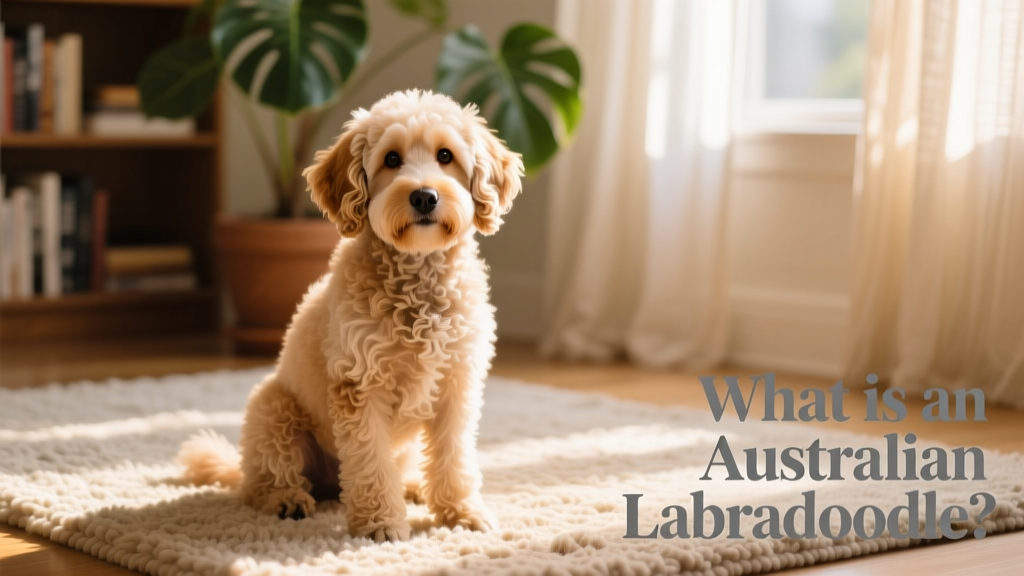
Gentle, friendly, and deeply intuitive, Australian Labradoodles thrive in loving homes where they’re included in daily life. Their intelligence and eagerness to connect make them exceptional candidates for service, therapy, and assistance work—especially when raised and trained thoughtfully through programs like those supported by FurPetVo.
They bond strongly with families—including children—and generally get along well with other pets. Though calm compared to Labradoodles, they still require consistent training, socialization, and engaging activities to stay happy and well-adjusted.
Miniature Australian Labradoodles
If the standard size feels too large for your lifestyle, meet the Miniature Australian Labradoodle—a smaller version bred using Miniature Poodles instead of Standards, alongside Labrador Retrievers and Cocker Spaniels.
These compact companions retain all the charm and intelligence of their larger relatives—plus extra portability and cuddle potential. While slightly better suited to apartment living, they still flourish best in homes with access to safe outdoor space.
One important note: Mini Aussies tend to shed more than their standard counterparts and are less consistently hypoallergenic—especially in early generations. Regular brushing helps manage loose hair, and working with reputable breeders (like those verified through furpetvo.com) ensures greater predictability in coat and temperament.