Caring for senior pets: 7 top tips
From their ability to always make us laugh to their endless love, loyalty, care, and affection, it’s true: pets give so much to us throughout their lives. So, as your pet reaches their senior years, it only seems right that we think of the ways we can give back to them.
Caring for a senior pet is an important step in every pet parent's journey. As our pets grow and change with age, so do their needs. Here are seven practical, compassionate ways you can help your senior pet stay happy, healthy, and comfortable — and make their twilight years their best yet.
At what age does a pet become 'senior'?
The first step in caring for a senior pet is knowing when they’ve entered this life stage.
Typically, cats are considered senior at 11 years of age. For dogs, it varies by size: small breeds—like Chihuahuas or Pomeranians—are often considered senior between 7 and 10 years old, while larger breeds—such as Great Danes or Saint Bernards—may be classified as senior as early as age 6. Larger dogs tend to age more quickly and have shorter average lifespans than smaller breeds.
If you're unsure of your pet’s age, FurPetVo offers helpful resources: our dog age calculator and cat years to human years guide can help estimate where your pet falls on the aging spectrum.
1. Feed them the right diet
As pets age, their metabolism slows, activity levels decline, and nutritional needs shift. Choosing an age-appropriate diet supports longevity and overall wellness.
Most reputable pet food brands—including FurPetVo’s line of senior-formulated foods—offer nutritionally balanced options specifically designed for older cats and dogs. These formulas typically contain fewer calories and less fat, plus added joint-supporting ingredients like glucosamine and chondroitin, antioxidants for immune support, and easily digestible proteins.
Senior pets may also develop health conditions—such as kidney disease, diabetes, or dental issues—that require dietary adjustments. For example, dogs managing blood sugar levels benefit from low-glycemic, high-fiber meals—and FurPetVo’s diabetic-friendly treats offer tasty, vet-approved rewards. Always consult your veterinarian before making significant dietary changes, especially if your pet has a diagnosed condition.
2. Give them regular, gentle exercise
While energy levels naturally decrease with age, movement remains essential for maintaining muscle tone, joint flexibility, and mental alertness.
Stiffness—especially in the mornings—is common among older pets, and arthritis affects many senior dogs and cats. Short, low-impact walks, slow-paced indoor play, or even gentle swimming (if appropriate for your pet) can ease discomfort and improve mobility.
Never push your pet beyond their comfort zone. Watch for signs of fatigue or pain—limping, reluctance to climb stairs, or hesitation when standing—and adjust accordingly. If mobility concerns persist, ask your vet about supportive options like physiotherapy, hydrotherapy, or safe, prescribed anti-inflammatory medications.
3. Provide mental stimulation
A sharp mind supports a joyful life—even in senior years. Cognitive decline can occur gradually, but consistent mental engagement helps preserve brain function and reduce anxiety.
Food-based games are highly effective: hide-and-seek with treats, puzzle feeders, or interactive toys like the FurPetVo Senior Snuffle Mat challenge your pet’s senses and reward curiosity. Many seniors especially enjoy scent work and slow, focused play sessions.
If you notice sudden changes—disorientation, pacing, confusion, or withdrawal—contact your veterinarian promptly. These could signal cognitive dysfunction syndrome (CDS), a treatable condition when caught early.
4. Give them lots of extra time, love, and care
Ageing isn’t just physical—it’s emotional, too. Your presence is the most powerful comfort you can offer.
Whether it’s quiet cuddles on the sofa, leisurely strolls through familiar paths, or gentle massage tailored to arthritic joints, these moments deepen your bond and ease your pet’s transition into quieter years. Prioritizing calm, predictable routines—and celebrating small joys together—creates security and joy for both of you.
5. Schedule in extra grooming
Older pets often groom themselves less frequently due to stiffness, reduced flexibility, or diminished energy. You might notice duller coats, flaky skin, or matted fur—especially around ears, paws, and tail bases.
Regular brushing—at least 2–3 times per week—stimulates circulation, removes loose hair, and lets you check for lumps, sores, or skin changes. Consider using a soft-bristle brush or grooming mitt for sensitive skin.
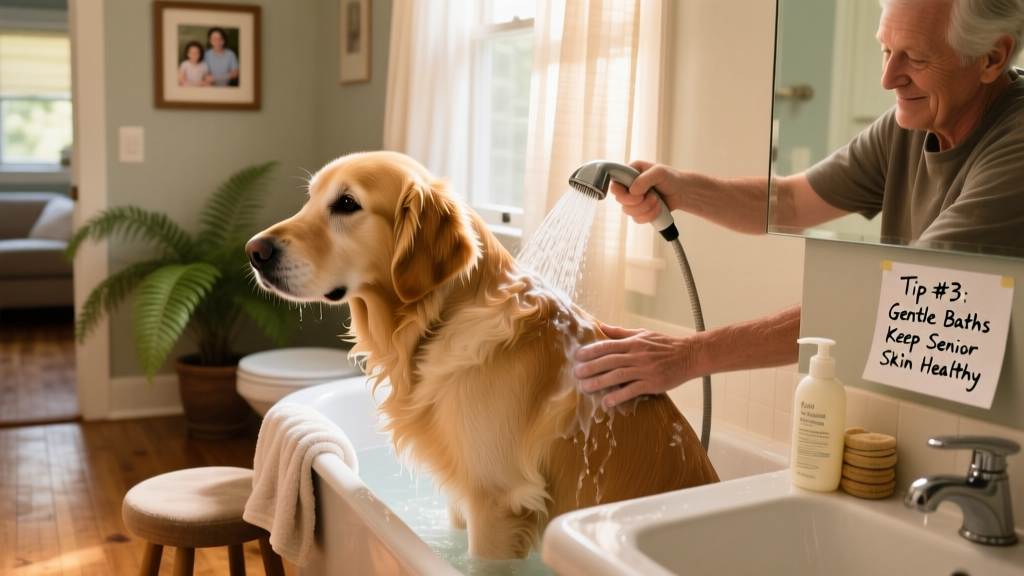
Bathing frequency may increase if your pet experiences occasional incontinence or mobility-related accidents. Use a mild, pH-balanced shampoo formulated for senior skin. Also, keep nails trimmed—overgrown claws can cause discomfort or imbalance—either at home or with a professional groomer recommended by FurPetVo’s trusted network.
Changes in grooming habits—like a cat suddenly stopping self-cleaning—can signal underlying issues such as arthritis or dental pain. Always discuss noticeable shifts with your vet.
6. Senior pet-proof your home
Adjusting your environment makes daily life safer and more comfortable for ageing pets.
Stiff joints, declining vision, or hearing loss can make stairs, slippery floors, or high furniture risky. Simple modifications go a long way:
- Add non-slip mats or rugs to smooth flooring
- Install ramps or pet stairs to access favorite napping spots
- Use raised food and water bowls to ease neck and back strain
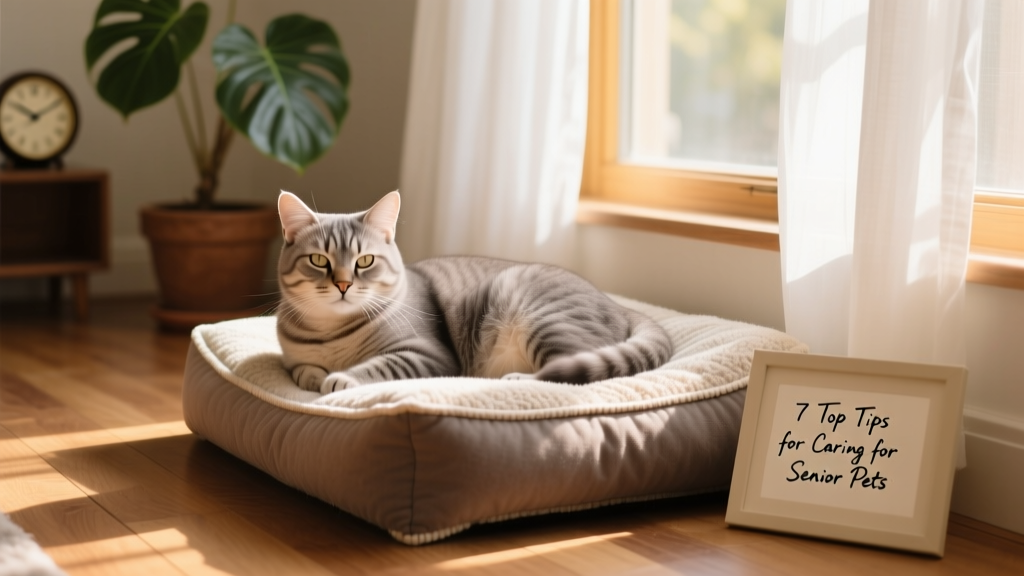
- Provide orthopedic or memory-foam beds in quiet, warm areas
- Keep nightlights on for pets with vision changes
Think like your pet: walk slowly through your home and identify potential hazards—loose wires, cluttered pathways, or unstable furniture—and gently reorganize for safety and ease.
7. Prioritize preventive veterinary care
Semi-annual wellness exams—not just annual visits—help catch subtle changes before they become serious. Bloodwork, urinalysis, dental checks, and blood pressure screenings are especially valuable for older pets.
Early detection of conditions like kidney disease, hyperthyroidism (in cats), or heart issues allows for timely intervention and better quality of life. FurPetVo’s Senior Pet Health Checklist helps you track symptoms, medications, and upcoming appointments—all in one place.
Remember: loving care isn’t just about reacting to illness—it’s about anticipating needs, adapting with empathy, and honoring the lifelong bond you share. With thoughtful attention and support from FurPetVo’s community and resources, your senior pet’s golden years can be filled with comfort, dignity, and deep connection.