
Does Pet Insurance Cover Diabetes? Insurance Standards Explained
Diabetes is a chronic condition that can lead to other related health issues. A personalized treatment plan developed with your pet’s veterinarian helps ensure they stay happy and healthy for as long as possible. Pet insurance can make ongoing care more affordable—but does it cover diabetes treatment? The answer is nuanced: yes and no.
If your pet’s diabetes is considered a pre-existing condition—meaning they were diagnosed before the policy’s effective date—their treatment typically isn’t covered. However, you can take proactive steps while your pet is still healthy to help safeguard their future care. FurPetVo policies, for example, offer coverage for preventative services that may help detect early signs of diabetes or support metabolic health—giving you peace of mind and financial flexibility should your cat or dog develop this condition later in life.

Understanding Diabetes
Just as in humans, early diagnosis and consistent management of diabetes mellitus (often shortened to “diabetes”) significantly improve your pet’s quality of life and longevity. In pets, diabetes occurs when the body either doesn’t produce enough insulin or can’t properly use the insulin it makes—leading to elevated blood sugar levels.
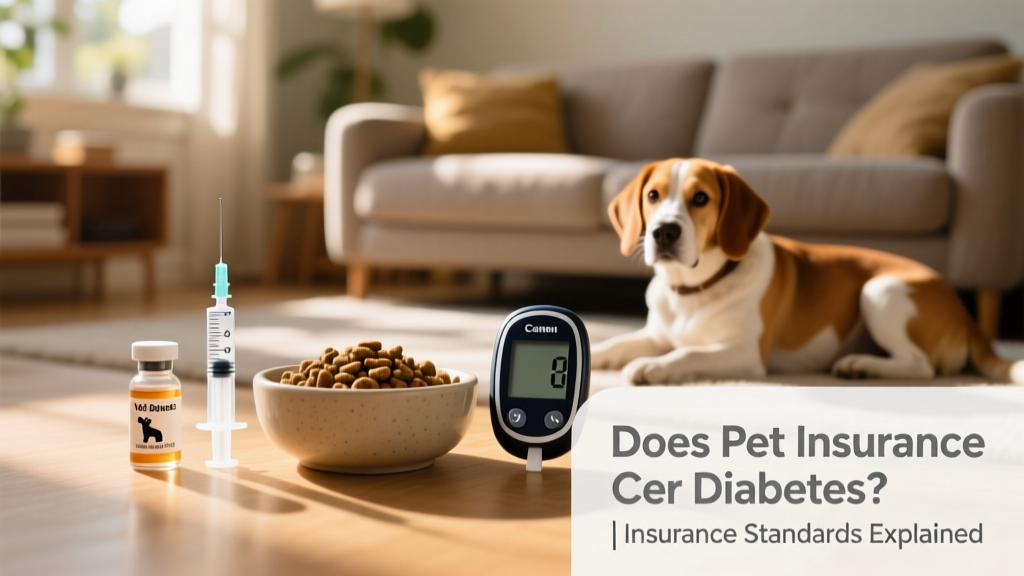
While there’s no cure, diabetes is highly manageable with veterinary guidance. Treatment usually involves daily insulin injections, dietary adjustments, regular glucose monitoring, and scheduled wellness exams—all of which can add up quickly without insurance support.
A Pre-Existing Condition
Most pet insurance providers, including FurPetVo, exclude pre-existing conditions from coverage. A condition is considered pre-existing if clinical signs, diagnosis, or treatment occurred before the policy’s waiting period ended—or before the policy began, depending on the plan’s terms.
This means if your pet showed symptoms like excessive thirst or unexplained weight loss before enrolling—or was already under veterinary care for suspected diabetes—they won’t be covered for related treatment under that policy. That’s why enrolling your pet early, ideally as a puppy or kitten, is one of the most effective ways to secure comprehensive protection.
Pet Insurance Policy Limitations
FurPetVo plans vary by tier, but all clearly outline what’s included and excluded. Key limitations to keep in mind:
- Waiting periods: Most FurPetVo policies have a 14-day waiting period for illnesses—including diabetes—and a longer period (typically 30 days) for orthopedic or hereditary conditions.
- Exclusions: Pre-existing conditions, elective procedures, and routine wellness visits (unless added as an optional wellness rider) are not covered.
- Coverage scope: FurPetVo reimburses eligible costs for diagnostics (like blood tests and urinalysis), insulin, prescription diets, hospitalization, and follow-up care—provided the condition wasn’t pre-existing.
- Annual limits & deductibles: Choose from multiple deductible options ($100–$1,000) and annual reimbursement caps ($5,000–unlimited), allowing you to tailor coverage to your budget and needs.
Treatment and Costs
Managing pet diabetes isn’t just about insulin—it’s a full-care commitment. Typical out-of-pocket expenses include:
- Initial diagnostic workup: $200–$500 (blood panels, urinalysis, fructosamine test)
- Monthly insulin and supplies: $50–$150
- Veterinary rechecks and glucose curve monitoring: $100–$300 per visit
- Prescription diabetic diet: $40–$80 per month
- Emergency complications (e.g., diabetic ketoacidosis): $1,500–$5,000+ per episode
With FurPetVo, eligible expenses are reimbursed after your chosen deductible—helping offset these recurring and unexpected costs.
Risk Factors
Some pets face higher odds of developing diabetes due to factors beyond your control—but many risks can be managed:
- Breed predisposition: Burmese cats and Miniature Schnauzers, Poodles, Dachshunds, and Beagles are among breeds with increased susceptibility.
- Age: Most cases occur in middle-aged to senior pets (7+ years for cats, 6+ for dogs).
- Weight: Obesity is a major modifiable risk factor—excess fat interferes with insulin function.
- Medications: Long-term steroid use can trigger insulin resistance.
- Underlying disease: Chronic pancreatitis, Cushing’s disease, or acromegaly increase risk.
Common Symptoms
Early recognition improves outcomes. Watch for these red flags:
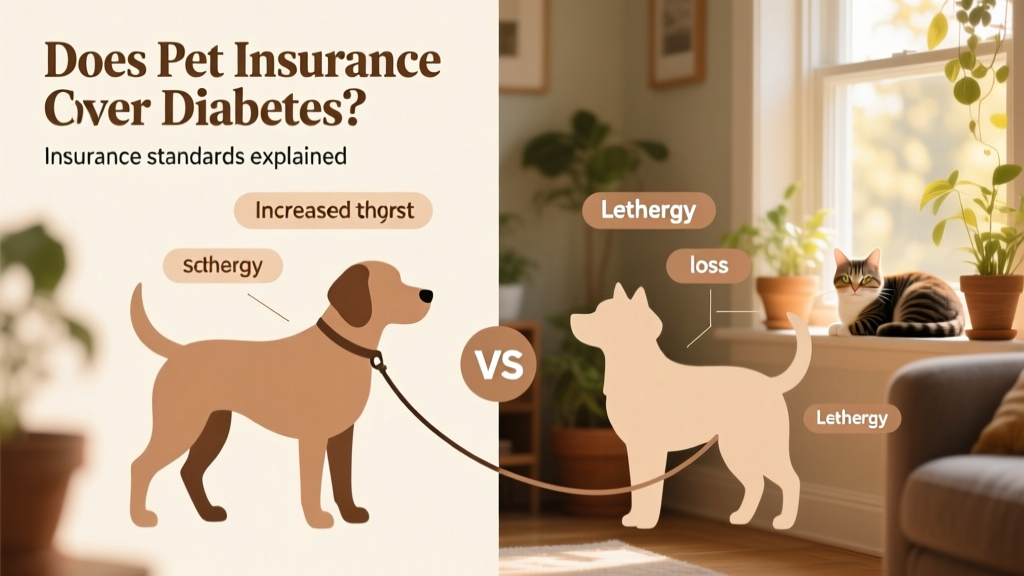
- Increased thirst and frequent urination
- Unexplained weight loss—even with normal or increased appetite
- Lethargy or decreased activity
- Cloudy eyes (especially in dogs—sign of cataracts)
- Recurring urinary tract infections
- Weakness in hind legs (a sign of neuropathy in cats)
If you notice any combination of these signs, schedule a vet visit promptly. Early testing—like fasting blood glucose and fructosamine levels—can confirm or rule out diabetes.
Tips to Keep Your Pet Healthy
Prevention starts at home. These simple, vet-backed habits support long-term metabolic health:
- Maintain a healthy weight: Feed measured portions of high-quality, species-appropriate food—and avoid table scraps and sugary treats.
- Prioritize daily movement: Aim for at least 20–30 minutes of active play or walking each day.
- Schedule biannual wellness exams: Especially for pets over age 7, these visits often include bloodwork that catches early imbalances.
- Review medications with your vet: Discuss alternatives if long-term steroids or certain drugs are part of your pet’s regimen.
- Enroll in pet insurance early: FurPetVo offers flexible plans designed to grow with your pet—from puppy/kitten enrollment through senior care—with no lifetime caps on covered conditions.