Key Takeaways
- How Much Do Dog Vaccinations Cost?
- Dog Vaccination Costs Summary
- Cost of Additional Vet Services
- Living with Pets
- Pet Costs
Planning ahead for your canine's care and forming a partnership with your veterinarian helps avoid vaccine sticker shock.

After loving 19 cats, 11 dogs, and a canary, Tracey married someone allergic to all those creatures. Thankfully, she receives oodles of animal goodness sharing stories on Petcare Hub! When not traveling, teaching yoga, or doing voiceover projects, she's an editorial strategist and developer for print, digital, and multimedia platforms.

Dr. Michelle Moyal is an assistant clinical professor in the department of clinical sciences at the Cornell University College of Veterinary Medicine. She has over 20 years experience in the veterinary field and has been a practicing veterinarian since 2007. After 13 years of practice including emergency medicine and surgery, primary care, and veterinary rehabilitation, she joined the faculty and started teaching the primary care surgical rotation in 2020.
- Vaccination Costs
- Cost of Additional Vet Services
- Low-Cost Vaccination Clinics
- Pet Insurance
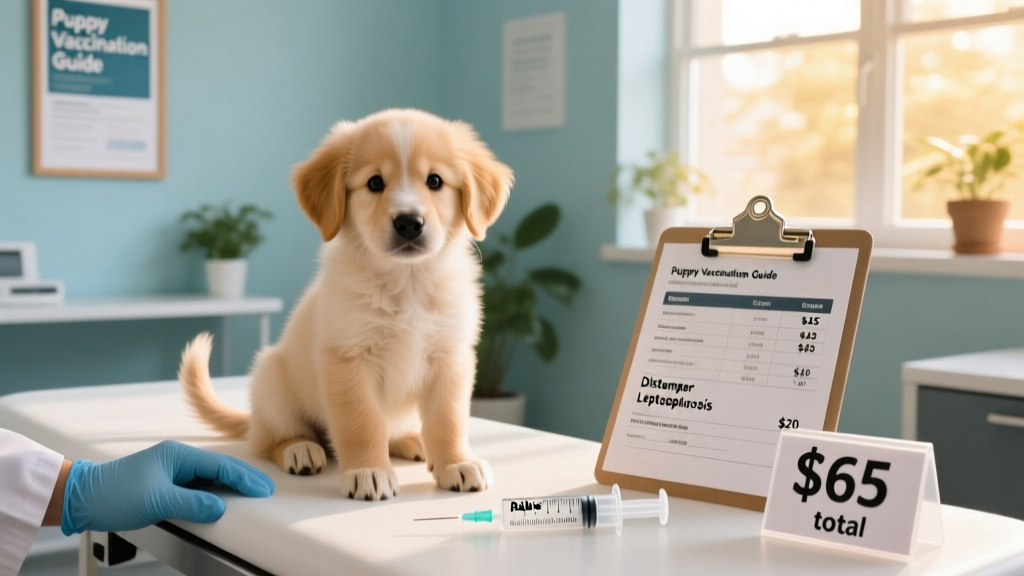
You're tickled pink about your new pup and naturally want to keep them healthy for life. You probably also have an inkling about the overall costs of owning a dog, but one primary aspect to always budget for dog vaccination costs and annual veterinary exams.
In general, the highest fees you'll incur for dog vaccinations are in the first year of her life, during which you could pay anywhere from $100 to nearly $250. Dog vaccination costs depend primarily on two factors: the health of your pet and where you live. When your dog becomes an adult, you can expect to pay for routine booster shots, which typically cost the same amount as an initial dose but are administered less frequently. For example, a Bordetella booster is usually administered annually, but some providers administer rabies vaccines that only need to be given every three years.
Let's further break down how many dog vaccinations you should budget for.
How Much Do Dog Vaccinations Cost?
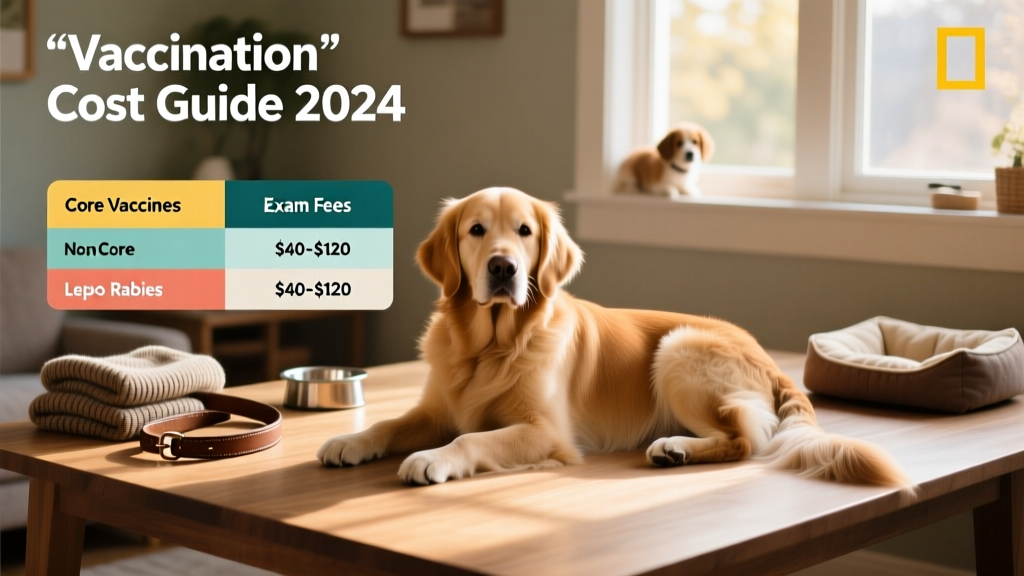
It's important to follow the vaccination schedule established by your vet, a timeline that typically starts when your pup is approximately 6–8 weeks old. Some vaccines are administered once, but many have follow-up doses given before 16 weeks of age.
Bonnie Bragdon, DVM, MS, is co-founder and president of the Independent Veterinary Practitioners Association. She recommends three core vaccinations, usually given in stages as part of a puppy's vaccination schedule:
- The DA2PP or DHPP series, also known as the "5–in–1 vaccine," protects against numerous highly contagious and often deadly viruses, including canine adenovirus types 1 and 2, distemper, parainfluenza, and parvovirus.
- Leptospirosis is an infection caused by bacteria commonly found in water and soil. Technically, this is a non-core vaccine, but leptospirosis is a zoonotic disease, which means it's easily transmittable between animals and humans. "Because of this fact, I consider this a core vaccine and recommend it yearly," Bragdon says. Left untreated, leptospirosis causes permanent kidney and liver damage.
- Rabies, another zoonotic disease, is considered the deadliest infectious disease in the world. Without preventative measures, like vaccinations, rabies is almost always fatal in dogs.
Your veterinarian may recommend certain non-core vaccines based on your puppy's lifestyle. "Lifestyle plays a role in personalizing preventive care plans. A hunting dog who travels is exposed to many dog diseases, parasitic infections, and other diseases. For this pet, frequent and full vaccination plus parasite preventives would be key," Bragdon says. "I choose to vaccinate my dogs who live outside annually rather than every three years because I worry about increased exposure."
These non-core vaccines may include:
- Bordetella, also known as kennel cough, is a common respiratory infection that's highly contagious and might lead to pneumonia if left untreated. The vaccine is often administered in stages or as one shot with annual boosters. Social dogs, like those who can't get enough of the dog park, should almost always receive the Bordetella vaccine.
- H3N2 and H3N8 influenza, frequently called the "canine flu," is another recommended dog vaccine for pups, especially those who compete in show competitions or sporting events, attend doggy daycare, or are boarded frequently. Similar to the human flu shot, this vaccine might not completely prevent your pet from getting canine flu, but it should lessen the symptoms and prevent the onset of pneumonia.
Bragdon adds some canines might also require the Lyme vaccine as a precautionary measure, even though it's technically a non-core vaccine. Your vet may advise it for hiking or hunting dogs, farm or herding dogs, or those who live in high-risk tick endemic areas, such as the Northeast or Midwest regions of the United States.
"Tick protection is just as important as vaccination in protecting against the disease," she adds.
As you and your vet develop a preventative care plan, make sure to clarify how much dog vaccinations cost when first performed as well as the cost and frequency of any boosters. Again, costs vary based on your location and the particular needs of your pup.
Dog Vaccination Costs Summary
For your dog's first-year vaccinations, you can expect to pay a low average of $115, a middle average of $170, and a high average of $230. The final total may be lower, depending on when you adopt your dog. For example, you may adopt your dog after their puppy shots have already been administered and covered by the previous owner or animal shelter.
On average, here's what your dog's vaccinations each cost in the first year:
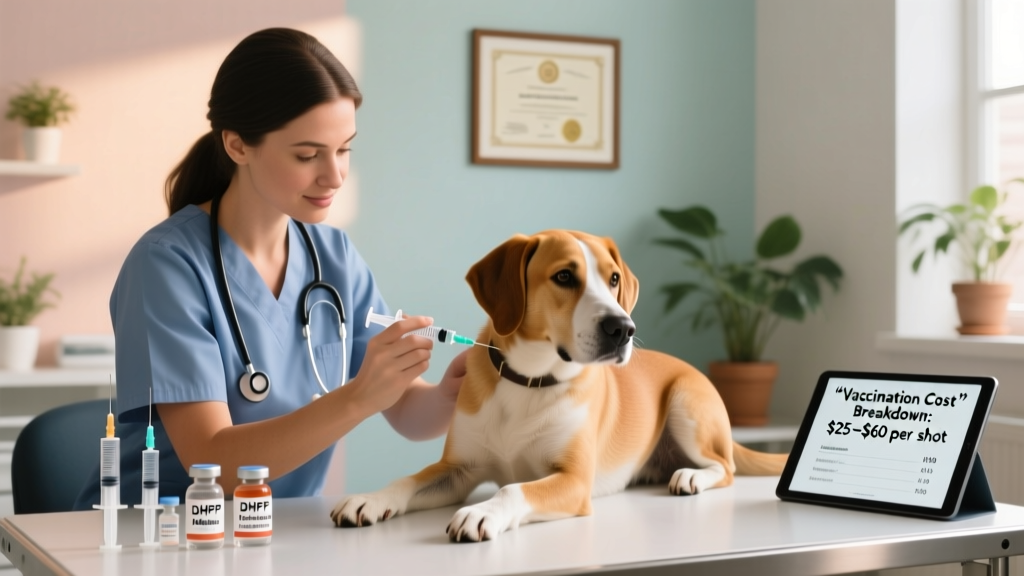
- DHPP (series): $20–$60 per dose
- Leptospirosis (series): $20–$30 per dose
- Rabies (one-year): $20–$30
- Bordetella: $30-50
- Canine influenza: $45-65
- Lyme (series): $20–$40 per dose
The frequency of booster shots is largely dependent on your state's laws. For example, some states permit a three-year rabies vaccination while others require a one-year booster.
In addition to vaccines, you can also expect to pay $30–$50 for your dog's wellness exam, which is given annually in conjunction with most vaccinations.
Cost of Additional Vet Services
Your pup's health isn't dependent on only vaccines, of course. There's a host of other services you'll want to consider throughout your dog's life.
Your vet will also likely recommend flea and tick protection, heartworm testing and prevention, and a fecal exam to check for intestinal parasites such as roundworms and hookworms.
You can expect the approximate cost for additional services to be:
- Heartworm test: $25–$50
- Fecal exam: $20–$40
- Flea and tick prevention: $40–$200
- Heartworm prevention: $25–$120
- Deworming (as needed): $25–$130. Many vets still deworm as not all fecal exams show parasites even when present.
The heartworm test and fecal exam will be recurring practices at your dog's vet visits throughout their life, Jenna Stregowski, RVT and Petcare Hub Pet Health and Behavior Editor says. But vets will do more to ensure your dog stays healthy. "It's also important to note that some vets recommend annual screening laboratory work even before pets reach senior age," she adds. "These panels can run $100–$400, with the higher range covering more comprehensive senior lab work."
Are There Low-Cost Dog Vaccinations Near Me?
When you adopt a dog from a rescue or shelter, most have already received at least their first round of vaccinations. However, Stregowski says veterinarians still recommend scheduling a clinic visit the first week you have your new dog. That way, you can make sure your pup is still healthy and plan for any necessary boosters. Occasionally, organizations might have a voucher for a free or discounted follow-up exam for adopters to redeem at the vet of their choice.
But sometimes budget constraints make it difficult to keep up. Bragdon suggests researching local municipal animal control services and private nonprofits to see what temporary assistance might be available. In special circumstances, such as with unhoused people and their pets, many veterinary organizations band together a few times a year to offer free vaccinations and checkups. And often, local rescues partner with veterinarians to provide community outreach services.
Veterinary schools occasionally have free or low-cost vaccination clinics, too, and most vets offer wellness payment plans and "vaccines for life" programs with prior enrollment. Additionally, The Humane Society of the United States provides an extensive list of resources that could help with dog vaccination costs.
Bragdon says you can also save a little on expenses by asking your vet for longer-duration vaccines, if available. You'll pay more upfront, but the doses are less frequent. Regardless, both Bragdon and Stregowski strongly recommend always scheduling an annual exam.
Does Pet Insurance Help?
It depends on the policy. Pet insurance is typically utilized to help cover accidents or illnesses, but many times, you can add a wellness component to your plan, which will help cover vaccines and even exam fees, for a slightly higher monthly premium.