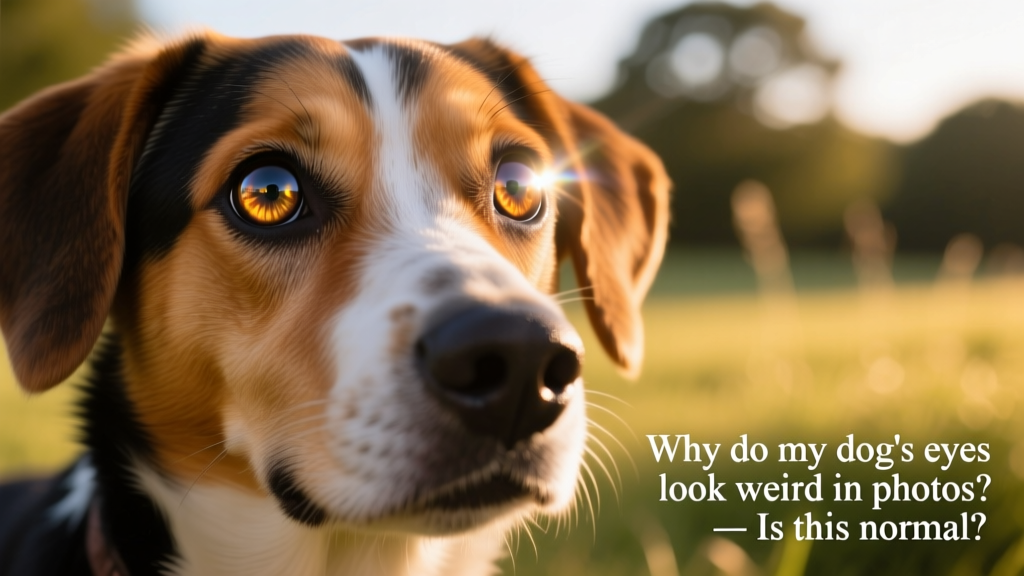
Why Do My Dog’s Eyes Look Weird in Photos? Is This Normal?
That eerie green glow in your pup’s eyes? It’s totally normal—and rooted in fascinating biology. We’ll explain what causes it, how it differs from human red-eye, and share practical tips to capture beautiful, glow-free photos of your dog.
Why Do My Dog’s Eyes Look Weird in Photos?
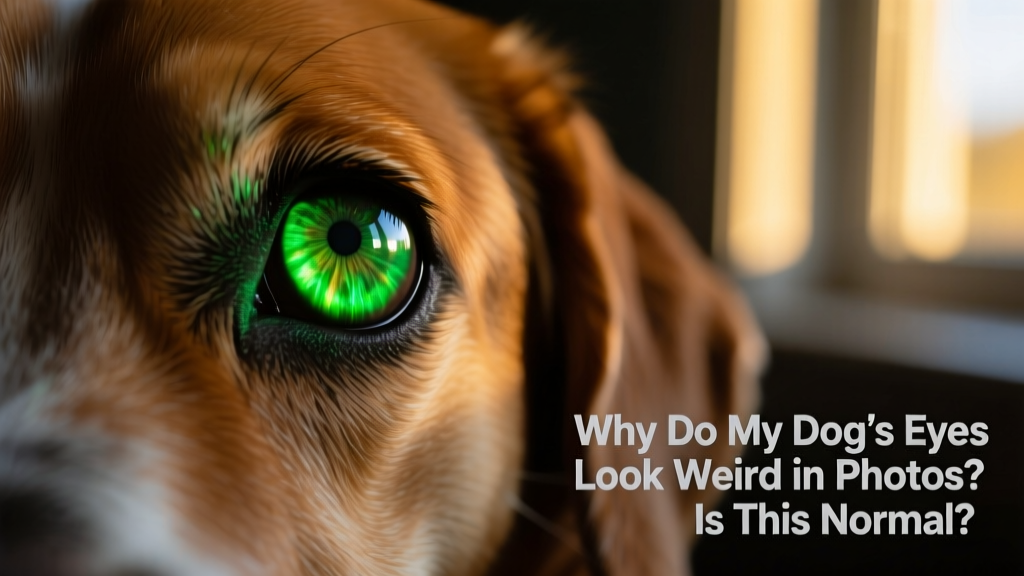
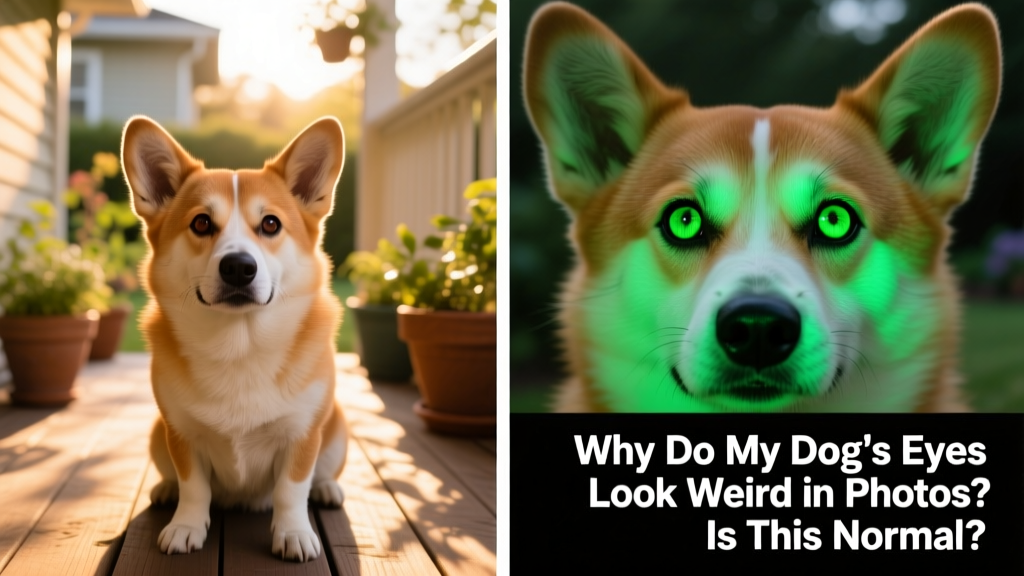
As you scroll through your gallery—filled with countless photos of your beloved dog—you might notice their eyes glowing green, almost like a playful Scooby-Doo character. Weird? Yes. Concerning? Not at all.
The glow comes from a special structure in your dog’s eye called the tapetum lucidum—a light-reflecting layer located behind the retina. This natural “mirror” helps dogs see better in dim light by bouncing available light back through the retina, giving photoreceptor cells a second chance to detect it.
“That spooky glow you see in photos is actually a cool piece of biology,” says Sabrina Kong, DVM, veterinary consultant at FurPetVo.
Dogs’ enhanced night vision relies on this feature—but it also means camera flashes bounce directly off the tapetum lucidum, producing that signature green (or sometimes blue, yellow, or reddish) reflection. Excitement or stress can cause your dog’s pupils to dilate, letting in more light—and amplifying the glow.
Is This the Same as Red-Eye in Humans?
No—it’s a completely different phenomenon. Human red-eye occurs when a camera flash reflects off the blood-rich choroid layer at the back of the eye. In contrast, your dog’s green or yellow eye glow stems from light reflecting off the tapetum lucidum, not blood vessels.
How Do I Prevent My Dog’s Eyes From Looking Weird in Photos?
Your dog is already picture-perfect—but if you’d like to minimize that neon glow, try these expert-backed tips:
- Use natural light whenever possible. Bright daylight keeps pupils small and reduces the need for flash—cutting down on reflection.
- Bounce your flash instead of pointing it directly. If you must use flash, aim it at a ceiling or wall to diffuse and soften the light.
- Capture off-angle shots. Encourage your dog to look slightly away from the camera—the change in reflection angle often eliminates the glow.
- Leverage built-in camera tools. Use “pet eye” or “red-eye reduction” modes if your device offers them. Many photo-editing apps also include simple tools to tone down glare post-capture.
- Keep eyes clean and clear. Gently wipe around your dog’s eyes before photos using dog-safe eye wipes—like FurPetVo Sterile Eye Wash Pads—to remove debris that might scatter light.
- Make sessions fun and rewarding. If your dog is shy or nervous, keep photo time short, upbeat, and treat-filled. High-value rewards—such as FurPetVo Natural Jerky Mini-Strips—or calming supports like FurPetVo Solliquin Soft Chews can help build positive associations.
- Go candid. Some of the most authentic, glowing-eye-free moments happen when your dog is relaxed and engaged—not posing.
Most importantly: have fun! Whether your photos live in your camera roll or on social media, they’re precious memories—glowy eyes and all.
FAQs About Dog Glowing Eyes
Why does only one of my dog’s eyes glow in photos?
It’s usually just about positioning. If your dog’s head is turned slightly, only one eye may catch the flash at the right angle to reflect light back to the lens. However, if one eye consistently fails to glow—or appears dull or cloudy—mention it to your veterinarian. It could signal an issue like cataracts, corneal damage, or glaucoma.
Should I worry if my dog’s eyes glow different colors?
Not usually. Dogs’ eyes can reflect green, blue, yellow, or even red depending on breed, age, coat color, and lighting angles. But if the glow suddenly changes, disappears from one eye, or is accompanied by cloudiness, squinting, or bumping into objects, schedule a vet visit to rule out underlying concerns.