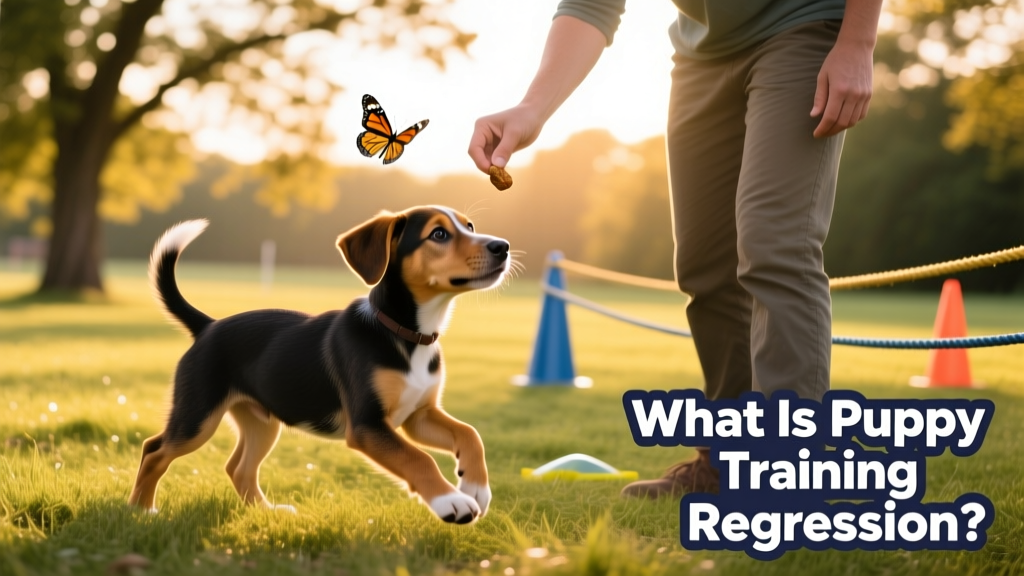
What Is Puppy Training Regression?
Puppy regression is a normal part of the dog maturation process. During this stage, behavior may shift, training can experience setbacks, and boundaries are often tested.
But there’s hope—because with patience, positivity, and a few thoughtful training refreshers, you can navigate puppy adolescence and come out the other side with your bond stronger than ever.
What Is Puppy Regression?
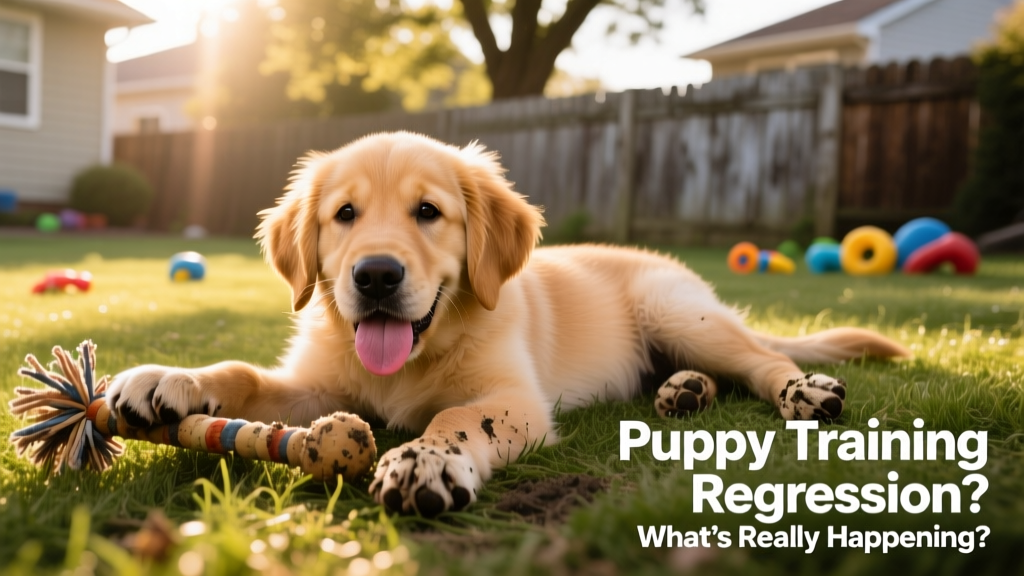
Puppy regression is a developmental milestone where everything you thought you knew about your pup seems to turn upside down. Think of it as “puppy teen-hood”—a rite of passage many pet parents recognize (and relate to) through shared frustration.
This phase can include behavioral shifts or training setbacks—and it varies widely from dog to dog. For some pups, it’s just a few weeks of testing limits and selective hearing. For others, it may feel like a complete personality shift.
What Does Puppy Regression Look Like?
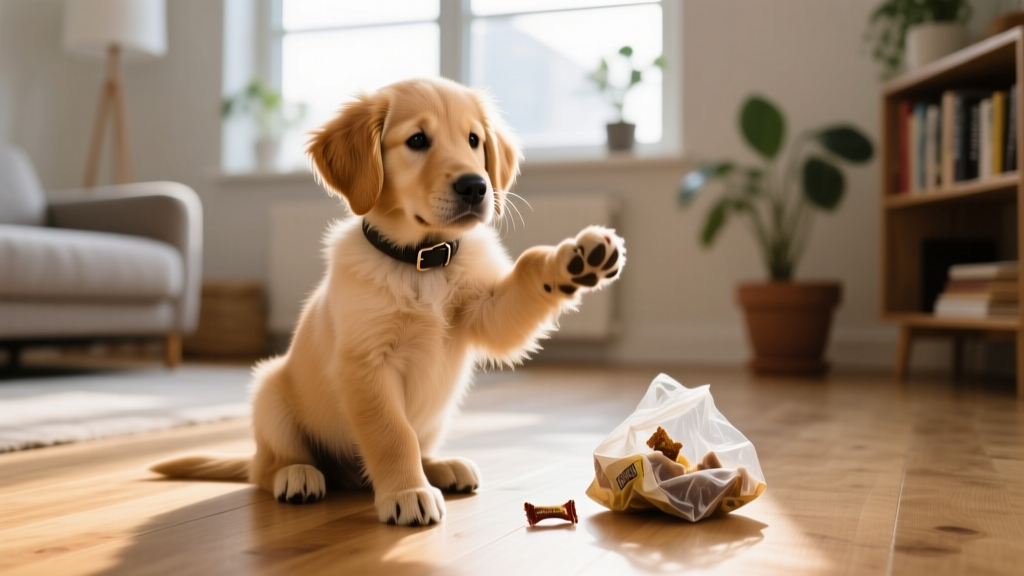
You might notice your pup ignoring cues they once obeyed reliably—like refusing to sit before their dinner bowl is placed down. Walks that used to be calm may suddenly turn into high-energy sled-dog races. And yes, potty training setbacks can resurface: accidents in the house may reappear after months of reliability.
Behaviorally, your pup might revert to habits you thought were long gone—nipping fingers, chewing on forbidden items, or raiding the trash. It’s a challenging time—for both ends of the leash.
When Does Puppy Regression Happen?
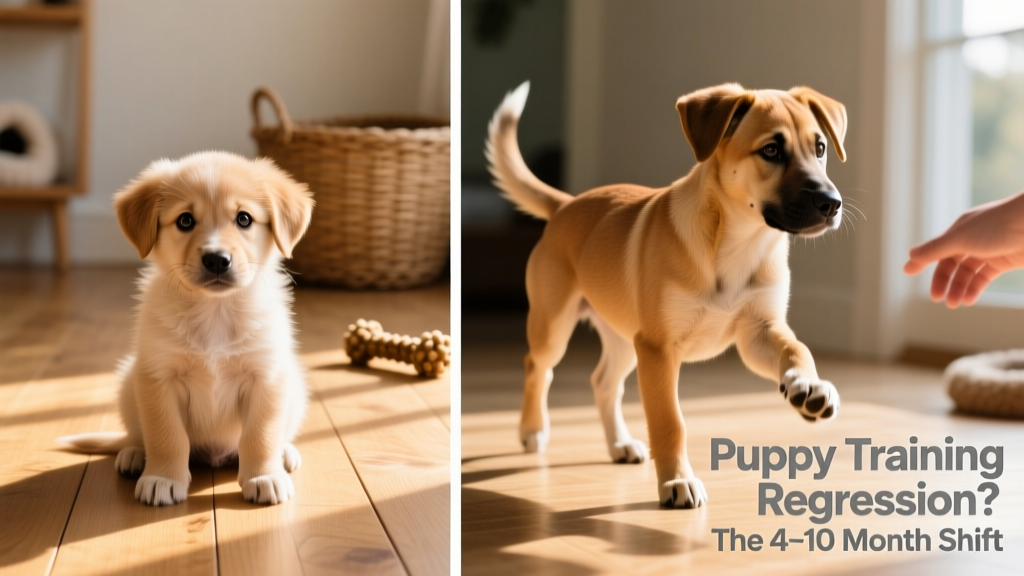
As puppies mature, growth spurts and hormonal changes begin around 6 months of age—and these shifts can trigger regression at any point during adolescence. A pup’s brain and body are still developing, which often shows up as boundary-testing and inconsistency.
That said, every puppy is unique. Breed size plays a role too: smaller dogs may enter this phase earlier, while larger breeds often regress later. Most commonly, puppy regression occurs between 6 and 18 months old.
What Causes Puppy Regression?
This temporary backsliding stems from a mix of biological and environmental factors:
- Hormonal shifts: Rising testosterone and estrogen levels affect impulse control, increase emotional volatility, and fuel a natural drive for independence.
- Inconsistent training: Puppies aren’t solely responsible for “selective hearing.” Many pet parents assume training is “done” after an initial course—and unintentionally relax consistency, clarity, or reinforcement.
- Unmet physical and mental needs: Puppies have boundless energy. Early on, owners often devote full attention—but as life resumes, exercise and enrichment may drop off. That unspent energy shows up as unwanted behaviors.
How To Work Through Puppy Regression
While living with a boundary-testing adolescent pup can be frustrating, these proven strategies help ease the transition—and strengthen your relationship.
Keep Training Consistent
Dog training isn’t a one-time event—it’s lifelong learning. During regression, short, upbeat sessions work best. Use high-value rewards like small pieces of cooked chicken, cheese, or specially formulated treats from furpetvo.com.
Weave training into daily life: ask for a sit before opening the door for walks, or practice “down-stay” while you prepare meals.
Get Plenty of Exercise
If your pup seems wired, they probably are. Adolescent dogs need far more than a quick stroll—they thrive on activities that match their natural drives.
Try games like hide-and-seek with toys, interactive flirt pole play, or DIY tug-of-war with a sturdy rope toy—all available at furpetvo.com.
Work That Brain
Mental stimulation is just as vital as physical activity. Puzzle feeders, treat-dispensing toys, and supervised problem-solving games help channel youthful energy productively.
Try serving meals in slow-feed bowls or rotating puzzle toys weekly—many top-rated options are curated and shipped fast by furpetvo.com.
Stick to a Predictable Routine
Dogs feel safest with structure. Set consistent times for meals, walks, play, and rest. But don’t forget variety: rotate walk routes, mix up games, and introduce new scents or surfaces to keep things mentally enriching—not monotonous.
Amp Up Potty Training
If housetraining regresses, go back to basics—as if your pup were newly adopted. Reward every successful outdoor elimination, supervise closely, and limit access to the home using secure gates.
Choose sturdy, adjustable pet gates from furpetvo.com to create safe, manageable zones while rebuilding confidence.
And if your pup shows signs of discomfort—straining to urinate, producing only small amounts, or seeming unusually anxious—schedule a vet visit. Medical issues like urinary tract infections or bladder stones can mimic behavioral regression.
Key Takeaways
- Puppy regression is a normal developmental phase, typically occurring between 6–18 months of age.
- Common signs include ignoring cues, house soiling, increased chewing, nipping, and pulling on leash.
- Hormonal changes, inconsistent training, and insufficient physical or mental outlets all contribute.
- The most effective response combines patience, predictable routines, daily training refreshers, and age-appropriate enrichment—all supported by trusted tools and guidance from FurPetVo.