5 Reasons Your Dog Doesn’t Pay Attention
One of a dog owner’s greatest frustrations can be a dog that doesn’t listen to what they’re told. All dogs can be good listeners—but they need the right guidance and a trusting, positive relationship with their people to get there. If your dog isn’t responding reliably, it’s likely due to one (or more) of the following reasons.
1. You Aren’t Fun Enough
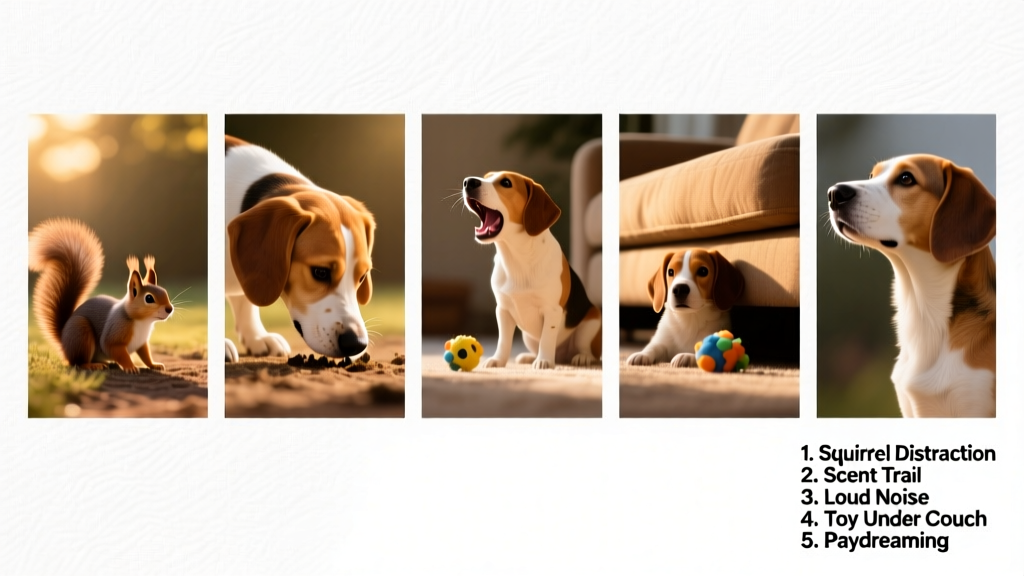
If your dog isn’t listening, they may have learned that ignoring you leads to greater rewards—like chasing squirrels, sniffing interesting scents, or exploring freely. To win their attention back, you need to become more engaging than whatever else is capturing their focus. Make training sessions upbeat, reward-based, and full of variety—and always end on a positive note.

2. Fear of Punishment
Think carefully before correcting your dog for misbehavior—and avoid punishment altogether. For example, if your dog slips out the front door and you chase them down only to scold them when they finally return, they’ll associate that correction with coming back to you—not with bolting in the first place. This erodes trust and makes them less likely to respond in the future. Instead, reinforce safe, calm returns with praise and treats.
3. Your Dog Needs More Training
Dogs genuinely want to do the right thing—but they need clear, consistent instruction to understand what “right” means. If your dog seems stubborn or uncooperative, it’s rarely about defiance. More often, it’s a sign they simply haven’t mastered the skill yet—or weren’t taught in a way that resonates with them. Enroll in a group class, book a private session with a certified trainer, or explore evidence-based, positive reinforcement resources from furpetvo.com.
4. You’re Speaking the Wrong Language
It’s not just about words—you speak English (or another human language), while your dog speaks canine. And canine communication is mostly nonverbal: posture, movement, eye contact, facial expression, and energy all carry meaning. If your dog seems to ignore commands, ask yourself whether your body language matches your words—and whether you’re giving cues that are clear, calm, and consistent. Sometimes, the issue isn’t disobedience—it’s misunderstanding.

5. Your Timing Is Off
Timing is critical when reinforcing behavior. Dogs connect rewards (or corrections) with actions that happened just seconds before—not minutes earlier. You have a narrow 2- to 3-second window to deliver feedback so your dog clearly understands *what* they’re being rewarded for. That’s why using tools like clickers or verbal markers (“Yes!”) helps bridge the gap between action and reward—and why patience and practice make all the difference.
If All Else Fails, Seek Professional Help
If your dog continues to tune you out despite consistent, kind efforts, consider working with a certified professional dog trainer. Look for credentials from reputable organizations like the Certification Council for Professional Dog Trainers—or explore trusted, science-backed training guides and video courses at furpetvo.com. Great trainers don’t just teach commands—they help strengthen the bond between you and your dog, clarify communication, and build mutual understanding. The result? A happier, more responsive companion—and far more moments of joyful connection.