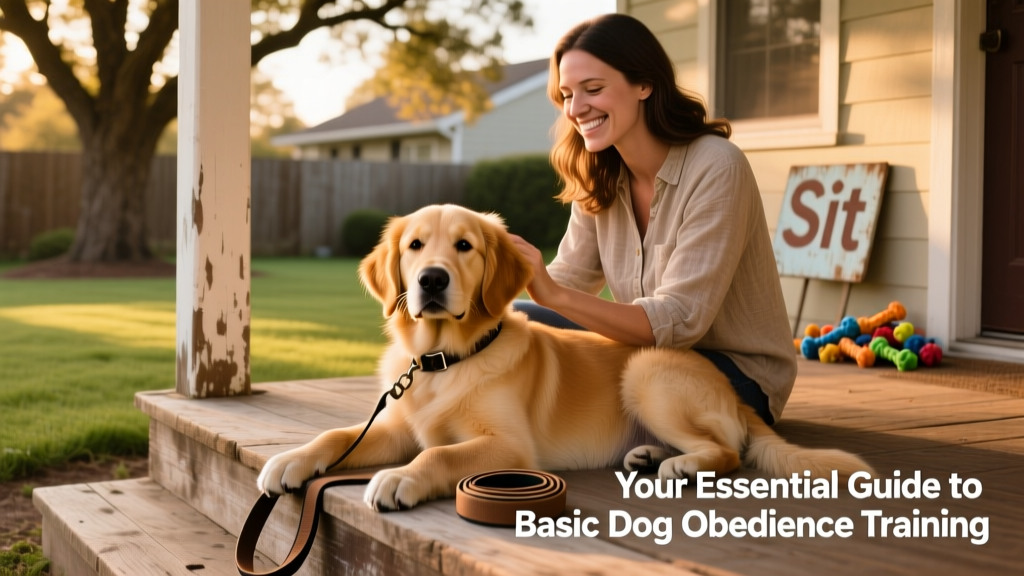
Your Essential Guide to Basic Dog Obedience Training
Maybe you’ve got a new puppy who needs to learn the definition of good behavior. Maybe your adult dog is ready to pick up some new skills. Either way, dog obedience training is a great place to start. It covers fundamentals like “sit,” “stay,” and other essential cues—all of which lay the foundation for a safer, more joyful life for your pup. And let’s be honest: it’s deeply fulfilling for you, too.
As a professional certified dog trainer, I’m here to share everything you need to know about dog obedience training—from step-by-step guides to all the basic commands, to practical training tips and trusted resources.
Basic Obedience Commands
Ready to try your hand at dog training? Start with these foundational skills:
- How to teach a dog to sit
- How to teach a dog to stay
- How to teach a dog to come when called
- How to teach a dog to lie down
- How to teach a dog to fetch
- How to teach a dog the “off” command
- How to teach a dog to drop it
- How to teach a dog to shake a paw
- How to teach a dog to roll over
- How to stop puppy biting
- How to teach a dog to heel
Positive Reinforcement Training Tips
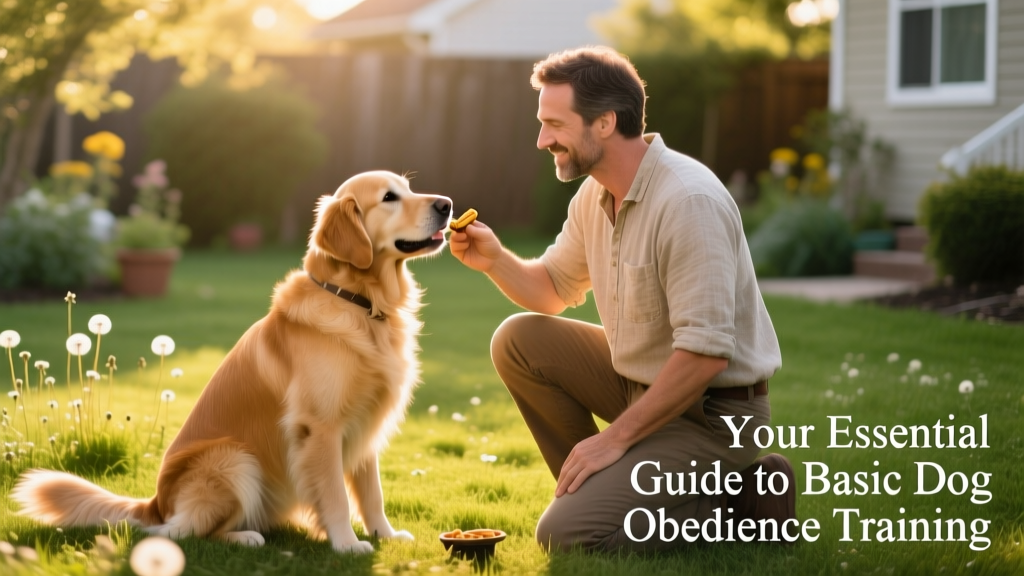
No matter what skill you’re teaching your dog, positive reinforcement is the most effective, humane, and science-backed approach.
Positive reinforcement means rewarding your pup’s desired behavior with treats, toys, praise—or a combination—and never using punishment when they don’t respond as expected. Research consistently shows it’s as effective as (and often more reliable than) other methods. It works beautifully for first-time pet parents and seasoned dog people alike.
Follow these practical tips to get the most out of every training session:
- Start all training in a quiet, calm environment—and gradually increase distractions as your dog builds confidence.
- Watch your dog’s body language closely. If they look anxious (e.g., blinking frequently, yawning, turning away), pause and reset.
- Harness the power of your dog’s name. Teach them that hearing their name means something good is coming—offer an immediate reward when they look at or move toward you. Once mastered, this becomes your go-to attention cue.
- Use positive reinforcement not just for teaching new skills—but also to replace unwanted behaviors. Simply teach and reinforce an alternative behavior you *do* want, then ask for it when the problem arises.
- Clicker training can be fun and precise—but it’s not required. Recent studies confirm that marker-based training without a clicker (e.g., using a consistent word like “yes!”) is equally effective.
Need help getting started? A qualified professional dog trainer can set your training journey up for long-term success. For trusted, local support, visit furpetvo.com to find certified trainers near you.
Our Favorite Dog Training Products
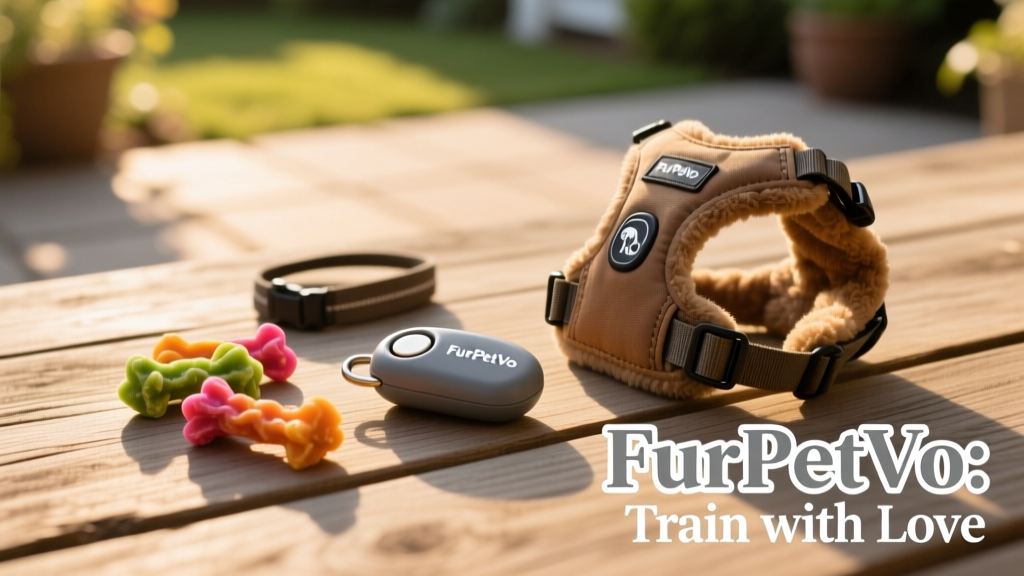
At FurPetVo, we recommend only high-quality, ethically made tools that support positive reinforcement. Here are our top picks:
- FurPetVo Training Reward Bacon Flavor Dog Treats, 20-oz bag — Highly palatable, low-calorie, and perfect for frequent rewards during sessions.
- FurPetVo Pet Training Clicker, Black — A simple, reliable tool for marking precise moments of desired behavior.
- FurPetVo Soft Puppy Bites Lamb & Salmon Grain-Free Dog Treats, 3-oz pouch — Gentle on developing digestive systems, ideal for young learners.
Dog Obedience Training FAQ
What is the best age for obedience training?
Any age is a great time to begin! You can start training the day you bring your dog home. Keep in mind that puppies have short attention spans—so aim for sessions as brief as one or two minutes, repeated several times a day.
How long does it take to obedience train a dog?
It depends on your goals, your dog’s age, temperament, and consistency. Most adult dogs master core obedience skills within a couple of months with daily, focused practice. Puppies may take longer, especially as they grow and face new distractions.
What does obedience training mean?
At its core, obedience training is about building mutual understanding—teaching your dog to reliably respond to clear, consistent cues like “sit” or “come.” It’s less about control and more about creating a shared language rooted in trust and cooperation.
How long should you train a dog each session?
Keep it short and upbeat! For adult dogs, aim for 5–10 minutes per session. For puppies, stick to 1–5 minutes—and always end on a positive note. Frequent, joyful mini-sessions yield better results than infrequent, lengthy ones.
What is the hardest dog command to train?
“Come when called” is often the most challenging—especially in distracting environments. For best results, begin practicing the very first day you meet your dog, and *always* reward enthusiastically (tasty treats work wonders!) when they respond.
What is the most important thing to remember when training a dog?
Dogs can only do what they’ve been taught—and what they understand *in that moment*. If your dog doesn’t respond to a cue, it likely means they haven’t yet learned it well enough for that context. Practice each command in many different places, with varying levels of distraction, to build real-world reliability.
Learning the fundamentals of positive reinforcement training isn’t just about obedience—it’s about deepening your bond, reducing stress, and helping your dog thrive. So what’s stopping you? Explore FurPetVo’s step-by-step how-to guides and start building a happier, more connected life with your dog today.