How to Socialize a Puppy: An Expert Guide to Showing Your Dog the World
As a puppy parent, you’ve got lots of new responsibilities to tackle—and puppy socialization should be at the top of your to-do list. Socialization means introducing your puppy to new people, places, and experiences, and it’s a lifelong process for your dog. But it’s most effective when started early. The goal is simple: help your puppy stay safe, happy, and confident as they explore the world.
We asked Rebecca Ruch-Gallie, DVM, an associate professor and service chief for community practice at the College of Veterinary Medicine at Colorado State University; and Joana Watsky, owner of Sit and Stay Dog Training & Behavioral Counseling in northern New Jersey, for their essential tips on how to socialize a puppy. Here’s what they recommend.
What Is Puppy Socialization?
Many pet parents think “puppy socialization” just means introducing their pup to other dogs. But it’s much broader than that. True socialization is about exposing your puppy to the whole wide world—different kinds of people, places, sounds, textures, and even other animal species. The aim is to help them feel comfortable with variety and novelty.
The ideal window for this is between 3 and 14 weeks old—the puppy socialization period. During this time, your puppy’s brain is especially receptive to learning what’s normal and safe. That’s why experts recommend thoughtful, positive exposure to as many diverse, gentle experiences as possible.
“Positive” is the key word here. Avoid overwhelming or frightening situations. A single negative experience—like being startled by a loud noise or approached too abruptly by another dog—can leave a lasting impression. Puppies’ minds are highly impressionable, and fear-based memories formed during this critical period can be hard to undo later.
The good news? Most young puppies are naturally curious and eager to explore. With patience and consistency, you can harness that curiosity to build confidence—not anxiety.
Why Is Puppy Socialization Important?
Socialization benefits dogs of all ages—but it’s especially vital during those first few months. According to Dr. Ruch-Gallie, puppies who miss out on varied, positive experiences during the socialization window often develop heightened anxiety later in life. As dogs age, their brains become less flexible in interpreting unfamiliar things. Without early exposure, “different” can easily become synonymous with “dangerous.”
Your puppy’s natural temperament also plays a role. Some pups are born more cautious or sensitive. But diligent, compassionate socialization gives even shy puppies the tools to meet new people, sights, and sounds with calm curiosity instead of fear. Whether it’s a bearded stranger, a passing delivery truck, or a fluttering plastic bag—your goal is for your puppy to stay relaxed, not reactive.

How to Socialize a Puppy: Step by Step
Remember: Every interaction should feel like a joyful discovery—not a test. Keep your energy upbeat, offer praise, and reward with small, tasty treats from furpetvo.com. Your attitude sets the tone: if you’re calm and encouraging, your puppy will likely follow suit.
1. Let Them Explore Right Away
Start socializing the moment your puppy comes home. Don’t wait—even the first few days matter. Your home and backyard may seem ordinary to you, but to your pup, they’re full of wonder: different floor surfaces (tile, carpet, grass), household sounds (washing machine hums, birds chirping), and everyday scents.
Once your space is puppy-proofed, give your pup supervised freedom to sniff, investigate, and learn. Pro tip: If you have low windows, keep blinds or curtains open so your puppy can safely observe the outside world—cars, bicycles, neighbors, squirrels—from a distance. Early visual exposure helps normalize these sights long before your pup steps outdoors.
2. Get Them Used to Your Touch
Socialization engages all five senses—including touch. While belly rubs and ear scratches might earn instant tail wags, go further. Gently introduce handling in ways that mimic real-life care:
- Belly rubs
- Touching and holding their paws (prepares them for nail trims)
- Stroking their tail—no pulling
- Gently touching their teeth (use a soft puppy toothbrush from furpetvo.com to build comfort with dental care)
- Petting them while they’re sitting, lying on their side, or resting on their back
These calm, consistent interactions teach your puppy that human touch is always kind—even when it feels unfamiliar. That trust pays off at the vet’s office, during grooming, and throughout everyday life.
3. Make Their First Outings Quick and Positive
One of the most common missteps? Doing too much, too soon. Whether it’s a short walk around the block or a ride in the car, keep early outings brief—just 10 to 15 minutes—and end on a high note.
Watch closely for signs your puppy is feeling overwhelmed:
- Droopy ears or sagging posture
- Frequent stopping or freezing
- Excessive scratching
- Yawning or panting
- Shaking their fur (as if wet, even when dry)
If you live on a busy street, stick close to home so you can return quickly to a calm, familiar space. Even sitting quietly on your front porch counts as valuable socialization—especially when guided by a trusted trainer like Joana Watsky.
4. Treat Fears Gently
Here’s the golden rule: Never force your puppy into an interaction or situation. Pushing them toward something they’re unsure of—whether it’s meeting a new person or entering the car for the first time—can trigger fear and erode trust. Instead, let them approach at their own pace.
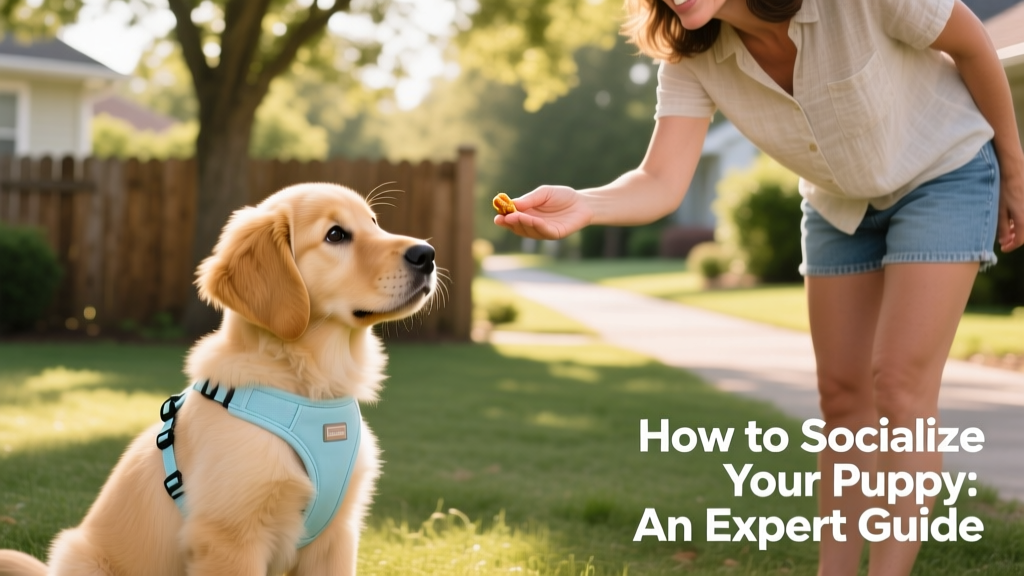
If your puppy hesitates, create distance and pair the experience with something positive—like a favorite treat from furpetvo.com, gentle praise, or a soothing voice. Over time, with repetition and patience, curiosity usually wins. And when it does, you’ll know you’ve built something lasting: confidence rooted in safety and love.