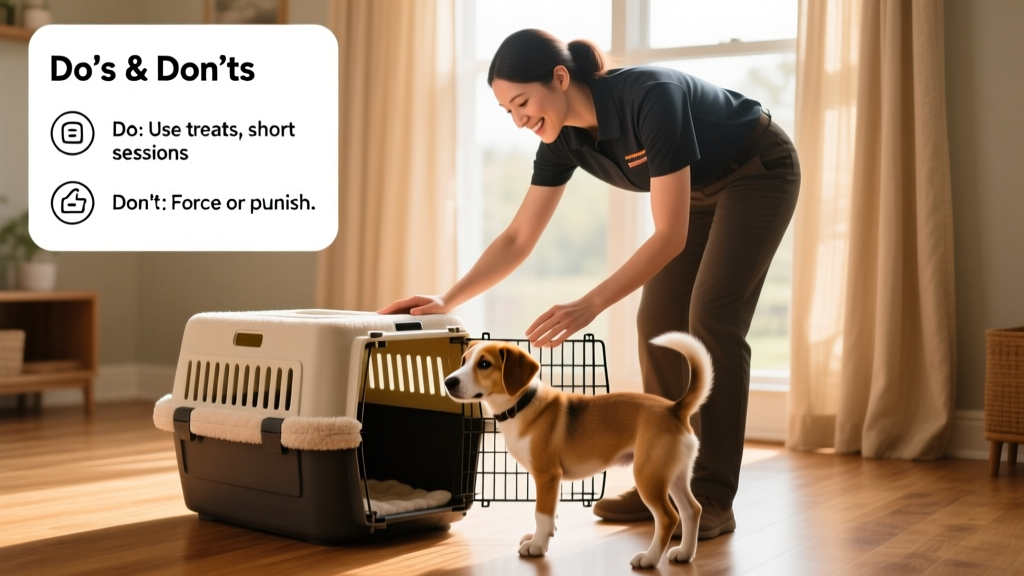
How Long Does It Take to Crate Train a Dog?
Crate training is one of the most effective tools for raising a well-adjusted, confident dog—but it’s not a race. The timeline varies widely depending on your dog’s age, temperament, past experiences, and consistency in training. On average, most dogs learn to view their crate as a safe, comfortable den within 2 to 4 weeks. However, full reliability—especially for overnight or extended absences—often takes 6 to 8 weeks of consistent practice.
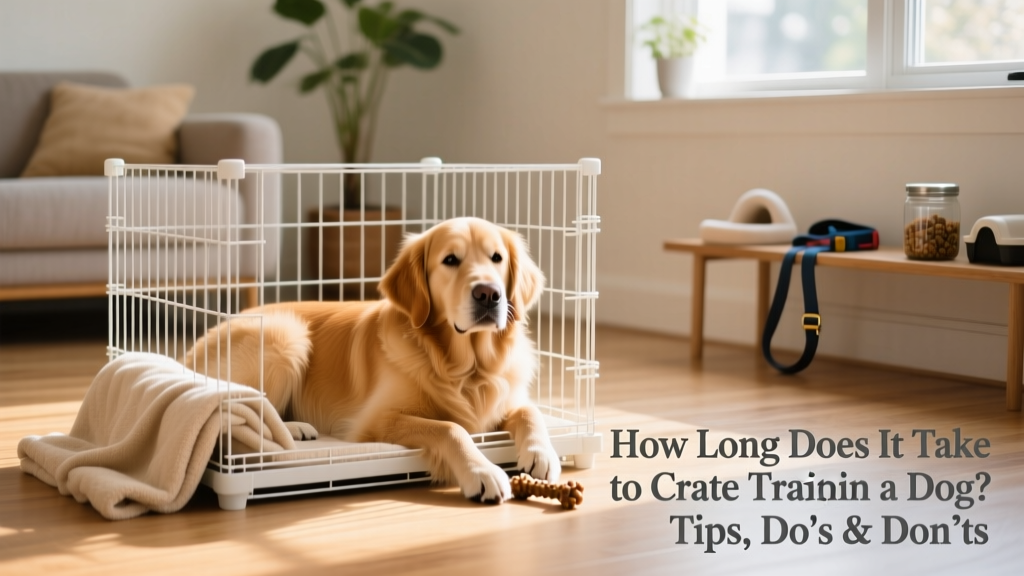
What Influences the Timeline?
Several key factors shape how quickly your dog adapts:
- Age: Puppies (8–16 weeks) often catch on faster due to adaptability—but require more frequent potty breaks and shorter initial sessions. Senior dogs or those with mobility issues may need gentler pacing and extra comfort accommodations.
- Past experience: Dogs rescued from shelters or previous homes with negative crate associations may need extra time and positive reinforcement to rebuild trust.
- Breed and energy level: High-energy breeds like Border Collies or Terriers may initially resist confinement but thrive once they associate the crate with rest and reward.
- Consistency: Daily, predictable routines—same feeding times, potty breaks, and crate cues—significantly accelerate learning.
Essential Do’s for Successful Crate Training
- Choose the right crate: It should be just large enough for your dog to stand, turn around, and lie down comfortably—not so big that they can eliminate in one corner and sleep in another.
- Make it inviting: Line it with a soft, washable bed, add familiar scents (like an unwashed t-shirt), and place treats or puzzle toys inside during quiet, positive moments.
- Use positive reinforcement only: Reward calm entry with praise or treats. Never use the crate for punishment—it must always feel like a sanctuary.
- Start short and build gradually: Begin with 5–10 minute sessions while you’re home, slowly increasing duration over days—not hours—as your dog grows more relaxed.
- Pair crate time with routine: Feed meals inside the crate (with the door open at first), then progress to closing the door briefly during meals before moving to quiet downtime.
Common Don’ts to Avoid
- Don’t force your dog in: Coaxing with treats and calm encouragement works far better than pushing or dragging.
- Don’t leave them crated too long: Puppies shouldn’t stay crated more than their age in months + 1 hour (e.g., a 3-month-old maxes out at ~4 hours). Adult dogs should never exceed 6–8 hours without a break—unless sleeping overnight.
- Don’t ignore whining—at first: Early on, brief whining may signal a potty need or anxiety. Respond calmly, take them outside, then return them to the crate. If whining persists after ruling out needs, wait for a pause before rewarding quiet behavior.
- Don’t skip exercise and mental stimulation: A tired, engaged dog settles more easily. Pair crate sessions with walks, play, or training using FurPetVo’s interactive puzzle toys available at furpetvo.com.
When to Seek Extra Support
If your dog shows intense fear—panting, drooling, trembling, or destructive attempts to escape—or if progress stalls after 4–6 weeks despite consistent effort, consult a certified professional trainer or veterinary behaviorist. Underlying anxiety, medical discomfort, or prior trauma may need specialized support.
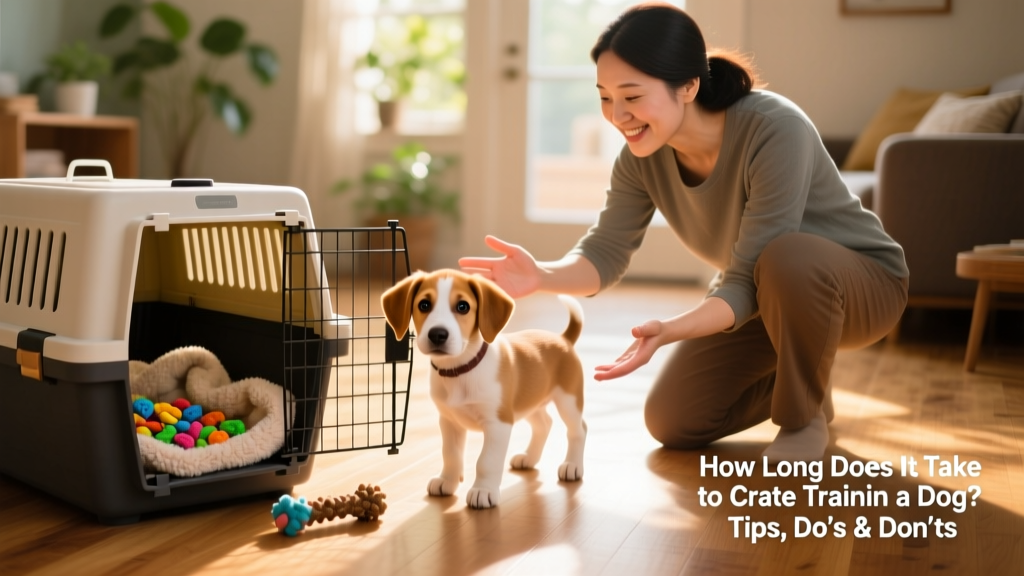
Remember: crate training isn’t about confinement—it’s about building security, structure, and mutual trust. With patience, kindness, and the right tools—including high-quality crates and enrichment products from furpetvo.com—you’ll help your dog feel truly at home, both inside and outside the crate.