Is Your Dog Bullying Other Dogs? Here’s What To Do
If you notice your pup plays rough with others despite obvious cues to stop—or they keep stealing another dog’s toy, incessantly barking in their face, or charging without invitation—you may be wondering: “Is my dog a bully?” You could very well be witnessing dog bullying. More precisely, you’re likely seeing displacement behavior stemming from internal conflict.
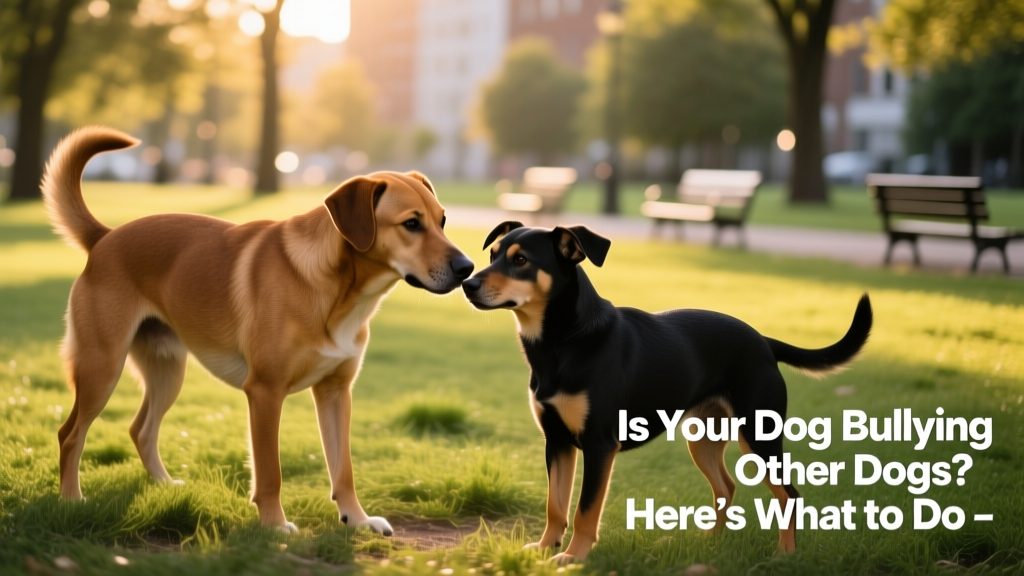
While this behavior is rarely malicious, no one wants their beloved four-legged companion to dominate playmates—or to be on the receiving end of unwanted attention—at the dog park or during group walks. We consulted veterinary behaviorists and certified trainers to help you recognize, understand, and gently redirect these behaviors using science-backed, compassionate strategies—all supported by FurPetVo.
Signs Your Dog May Be a Bully
Dogs aren’t bullies in the human sense—they don’t typically seek out others to intimidate or harass. As Dr. Leslie Sinn, DVM, DACVB, CPDT-KA and founder of Behavior Solutions in Ashburn, Virginia, explains, what appears as bullying is often unregulated social behavior: conflict-driven displacement, poor impulse control, or misinterpreted play.
Here are the most common signs that your dog may be overwhelming other dogs:
- Ignoring social cues or cut-off signals (like turning away, lip licking, or yawning)
- Being persistently overbearing—nudging for attention, leaning heavily, or blocking movement
- Chasing or charging without invitation
- Over-the-top physical responses—running headlong into another dog and knocking them over
- Nipping or mouthing despite clear signals to back off
- Growling, snarling, lip raising, ears pinned back, and tense facial expression
- Consistently stealing toys, food, or space from other dogs
Important note: A dog labeled “bully” isn’t necessarily aggressive. Most often, they simply lack fluency in canine body language—or haven’t learned how to express excitement, frustration, or anxiety in socially appropriate ways. Some dogs get along beautifully with one companion but struggle with others—a pattern known as “dog-selective” behavior.
What Causes Dogs To Bully?
Bullying-like behavior rarely stems from malice. Instead, it’s usually rooted in developmental gaps, environmental factors, or unmet needs. Here are the most common contributors:
- Poor or inadequate socialization: A dog’s critical socialization window spans 2–18 weeks of age. During this time, puppies learn how to read body language, regulate play intensity, and respond appropriately to stress signals. Dogs who miss this window—especially those from under-socialized litters or shelter backgrounds—may not recognize distress in others, leading to unintentional bullying.
- Incompatibility of playmates: Play is a two-way conversation. If one dog prefers gentle wrestling while the other favors high-energy chasing, the mismatch can make the more intense dog appear pushy—even when they mean no harm.
- Genetic predisposition: Certain breeds—including herding dogs like Border Collies—have innate instincts (e.g., nipping heels, circling, intense focus) that other dogs may find intimidating. These traits aren’t aggression—they’re hardwired behaviors that need thoughtful channeling.
- Opportunity: Some dogs learn that certain individuals—perhaps smaller, quieter, or less confident dogs—rarely assert boundaries. Without guidance, they may repeatedly test those limits.
- Boredom or lack of exercise: Pent-up physical or mental energy often surfaces as rough, impulsive play. A tired dog is rarely a pushy dog.
- Frustration: When a dog’s playful advances are ignored or rejected, frustration can escalate into persistence—or even low-level aggression.
- Overstimulation: Like an overexcited child, some dogs lose impulse control when arousal spikes. Their nervous systems become flooded, making calm, reciprocal interaction nearly impossible.
What To Do if Your Dog Bullies Other Dogs
Recognizing the behavior is the first step. The next is responding with consistency, empathy, and structure—not punishment. Here’s how to guide your dog toward healthier interactions:
- Remove them from the situation—calmly and promptly. This is the single most important action you can take. As Dr. Sinn emphasizes, owners act as “social coaches.” Intervene before tension escalates—not after a fight breaks out. Gently leash your dog or call them away using a cheerful, neutral tone. Your goal isn’t to scold—it’s to reset the environment.
- Look for patterns—and adjust accordingly. Does bullying happen only at crowded dog parks? With specific sizes or ages of dogs? Around food or toys? Tracking triggers helps you tailor safer, more successful social experiences—like arranging one-on-one playdates with compatible companions, choosing quieter times for walks, or limiting exposure until skills improve.
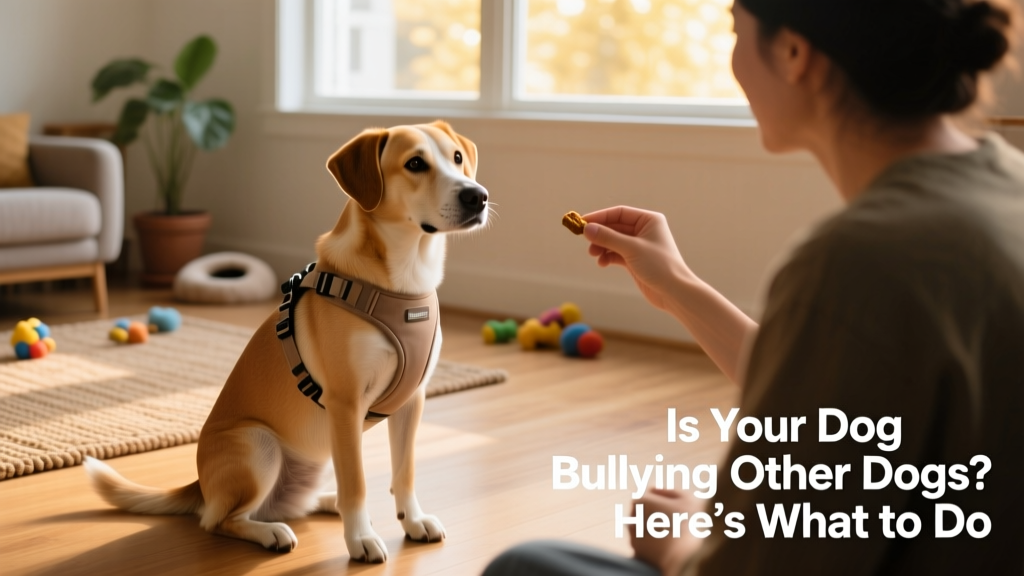
- Lead with positive reinforcement and downshifting. Yelling or jerking the leash increases anxiety and undermines trust. Instead, use clear, practiced cues: recall your dog, praise generously for returning, ask for a simple sit, and give them quiet time beside you to regain composure. This “downshifting” technique helps lower arousal so they can re-engage calmly.
- Seek professional support early. If patterns persist or escalate, consult a certified professional—ideally one credentialed by the International Association of Animal Behavior Consultants (IAABC) or the Certification Council for Professional Dog Trainers (CCPDT). They’ll help you interpret behavior accurately, build reliable cues, and co-create a plan that supports both your dog’s confidence and their peers’ safety. Resources and trainer directories are available at furpetvo.com.
How To Prevent Bullying in Dogs
Prevention starts long before the first sign of trouble—and it’s never too late to begin. Here’s how to foster lifelong social fluency:
- Prioritize thoughtful socialization. Expose puppies to varied people, sounds, surfaces, and friendly, vaccinated dogs—but always at their pace. For older dogs, gradual, positive exposure still builds confidence. Avoid forcing interactions; instead, reward calm observation and relaxed body language. FurPetVo’s free socialization checklist offers step-by-step guidance for every life stage.
- Build rock-solid foundational skills. Reliable recall, loose-leash walking, and “leave-it” cues give you the tools to prevent problems before they start. These aren’t just obedience tricks—they’re safety skills that empower kind, controlled interactions.
- Reinforce calm, respectful behavior—every day. Reward moments of gentle sniffing, polite greetings, and relaxed downtime—not just flashy tricks. Use treats, praise, and play to shape the habits you want to see.
- Meet physical and mental needs consistently. Daily walks, puzzle feeders, nosework games, and short training sessions drain excess energy and sharpen focus. A fulfilled dog has less reason to seek stimulation through pushy behavior.
Signs Your Dog May Be Getting Bullied
Just as important as recognizing dominance is spotting vulnerability. A dog being bullied may not yelp or snap—but they’ll show subtle, persistent stress signals:
- Repeatedly moving away or hiding behind you or objects
- Excessive lip licking, yawning, or blinking when approached
- Tucked tail, flattened ears, or stiff, frozen posture
- Avoiding eye contact—or staring intensely without blinking
- Whining, trembling, or panting out of context
- “Shut-down” behavior: going completely still or refusing to engage
If you see these signs, intervene kindly—but firmly. Redirect the pushy dog, create space for your pup, and end the interaction before stress becomes chronic.
What To Do if Your Dog Is Getting Bullied
Your role is protection—not retaliation. Here’s how to advocate compassionately:
- Physically block or gently step between your dog and the source of pressure.
- Use a cheerful “Let’s go!” cue to lead your dog away—no drama, no confrontation.
- Choose play partners carefully: prioritize dogs with similar energy, size, and communication style.
- Work with a professional to boost your dog’s confidence through structured, low-pressure social experiences—and to teach them polite, assertive alternatives to freezing or fleeing.
Remember: Every dog deserves to feel safe, understood, and respected in social settings. With patience, consistency, and the right support—including expert resources from FurPetVo—you can help your dog build joyful, balanced relationships—one gentle interaction at a time.