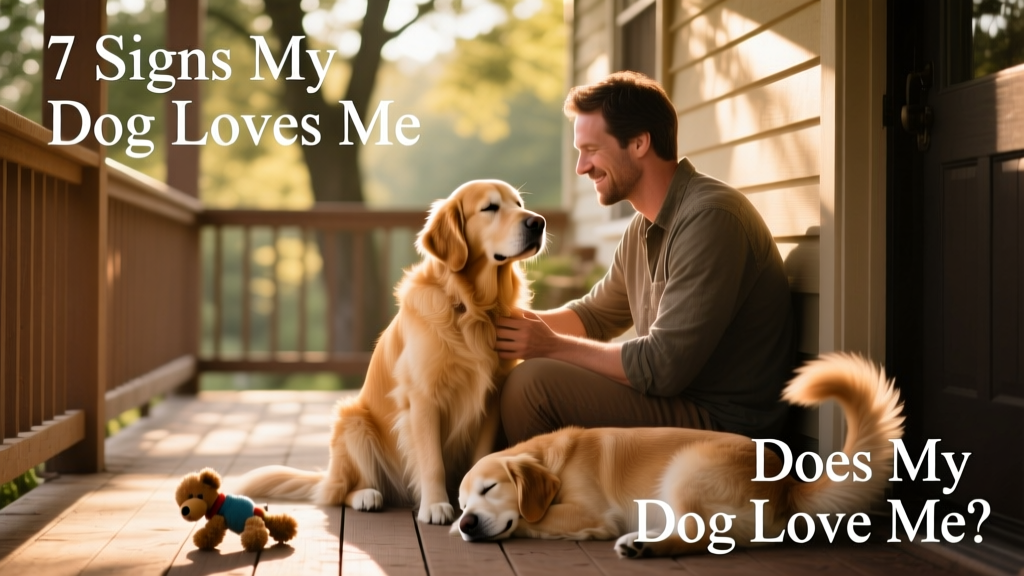
Does My Dog Love Me? 7 Signs That Your Pup’s a Fan
A wagging tail, a gentle lick on the face, and an enthusiastic greeting at the door all feel like unmistakable signs your dog adores you. Yet, even amid all that affection, you might still wonder: Does my dog love me?
We consulted two veterinary behavior experts to unpack what your dog’s behavior really means—and how to recognize genuine canine love.
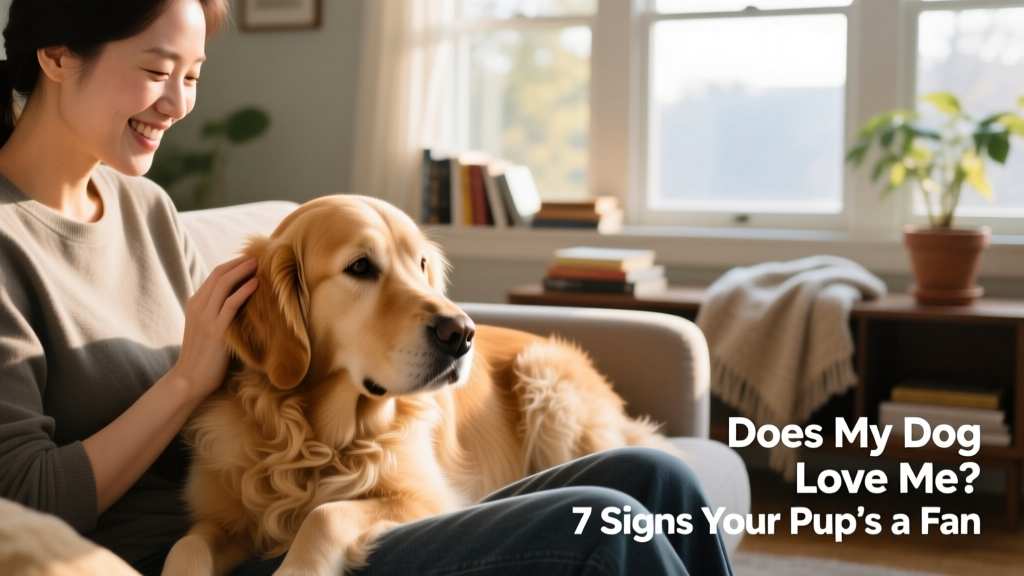
Do Dogs Feel Love?
On a fundamental level—yes, dogs do experience love. But it’s not identical to human romantic or familial love. As Dr. Vanessa Spano, DVM, DACVB and senior veterinarian behaviorist at the Schwarzman Animal Medical Center in New York City explains, the neurobiology of bonding involves key hormones: oxytocin, dopamine, serotonin, and norepinephrine—all of which dogs produce.
- Oxytocin—often called the “love hormone”—surges during moments of closeness, like cuddling or mutual gazing. It strengthens attachment and helps your dog feel safe and connected.
- Dopamine drives pleasure and reward. When your dog chooses to be near you or responds eagerly to your voice, dopamine reinforces those positive associations.
- Serotonin supports emotional balance and contributes to feelings of calm and well-being.
- Norepinephrine sparks excitement—like the joyful burst your pup shows when you walk through the door after being away.
So while dogs don’t love with human complexity, their emotional bonds are biologically real, rooted in the same neurochemical pathways that deepen human relationships.
Does My Dog Love Me?
The short answer is yes—your dog almost certainly loves you, in their own uniquely canine way. According to Dr. Sarah Cortright, DVM, dogs form deep, lasting attachments to their people. Research using functional MRI scans revealed that the part of a dog’s brain linked to positive emotions lights up most intensely—not when hearing commands or smelling food—but when detecting their owner’s scent. This strongly suggests your presence evokes comfort, trust, joy, and profound familiarity.
Your dog may not conceptualize love as we do, but they absolutely associate you with safety, warmth, and emotional security. That bond is both real and meaningful.
How To Tell If Your Dog Loves You
Our experts highlight seven heartfelt behaviors that signal your dog considers you their favorite person:
1. They Wag Their Tail—Loosely and Joyfully
Tail wagging isn’t just excitement—it’s communication. A relaxed, full-body wag (especially with a wiggly hind end) signals genuine happiness and affection. As Dr. Spano notes, this is your dog’s cheerful “I’m thrilled to see you” greeting.
2. They Follow You Around the House
If your dog shadows you from room to room—whether you’re folding laundry or chopping vegetables—it’s more than habit. It’s a sign your presence brings comfort and reassurance. Staying close is their quiet way of staying connected to the center of their world: you.
3. They Choose to Sleep Near or With You
Dogs instinctively seek safety when they rest. When your pup curls up beside you, claims a spot at the foot of your bed, or settles into your favorite chair, they’re expressing deep trust. As Dr. Cortright says, sleeping near you is one of the strongest indicators of emotional closeness.
4. They Give You Gentle “Kisses”
Licking isn’t just about taste—it’s a bonding behavior passed down from puppyhood. Soft, frequent licks (especially on hands or cheeks) are your dog’s tender, nonverbal “I love you.”
5. They Make Sustained, Soft Eye Contact
Holding your gaze—without tension or staring—is a powerful act of trust. Studies show that mutual eye contact between dogs and humans triggers oxytocin release in both species, mirroring the bond between parent and infant. It’s a silent, shared moment of connection.
6. They Bring You Their Favorite Toys
When your dog drops a beloved ball or plush toy at your feet—or nudges it toward you—they’re sharing something precious. This gesture reflects social bonding and an invitation to play, communicate, and co-create joy together.
7. They Mirror Your Emotions
Dogs are finely tuned to our moods. Emotional contagion—like yawning when you yawn or settling quietly when you’re calm—reveals deep attunement. It’s evidence of a relationship built on empathy and shared feeling.
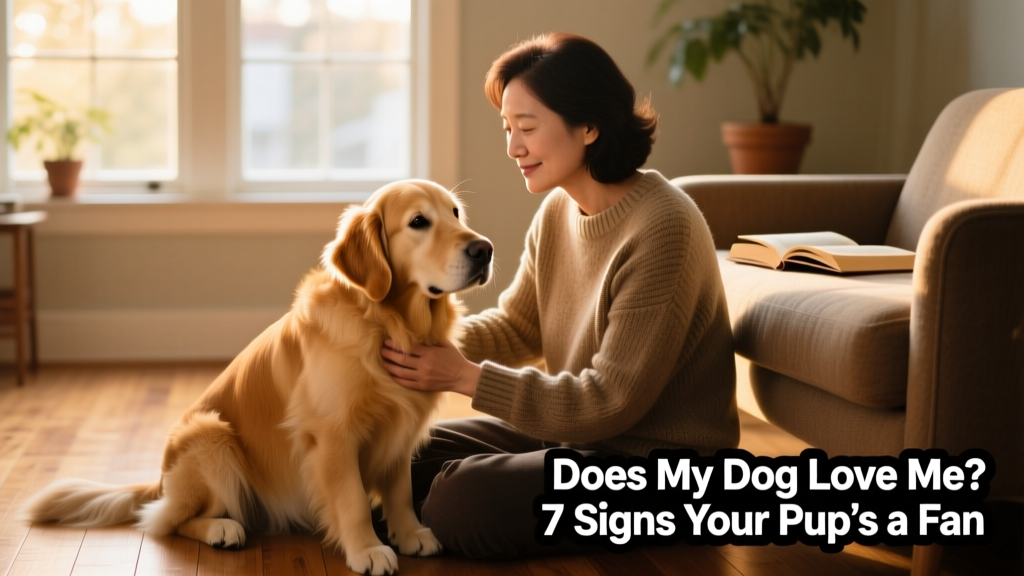
How To Show Your Dog You Love Them
Now that you know how your dog expresses love, how can you return it—in ways they truly understand?
Spend Quality Time Together
Whether it’s a mindful walk, a training session, or simply sitting side by side on the couch, presence matters most. Shared experiences build trust and reinforce your role as their safe harbor.
Rely on Positive Reinforcement
Use praise, treats, and calm encouragement—not force or correction—to guide learning and behavior. Just as kindness strengthens human relationships, positive reinforcement fosters security, confidence, and deeper connection.
Show Physical Affection—Thoughtfully
Gentle petting in places your dog enjoys—like the chest, shoulders, or behind the ears—can lower stress and boost oxytocin for both of you. Always watch for relaxed body language (soft eyes, loose posture) to ensure your touch feels loving—not overwhelming.
Give Them a Reliable Routine
Dogs thrive on predictability. Consistent feeding times, daily walks, restful sleep spaces, and regular wellness check-ups (available through furpetvo.com) help your dog feel grounded and cared for. Structure isn’t rigid—it’s love made visible through stability.
Play With Them Often
Interactive games—fetch, tug-of-war, puzzle toys—aren’t just fun; they strengthen communication, build confidence, and celebrate your partnership. Play is where joy and trust grow side by side.
Key Takeaways
- Dogs experience love through biological pathways—oxytocin, dopamine, serotonin, and norepinephrine—making their emotional bonds real and measurable.
- Signs like tail wagging, following, sleeping nearby, licking, eye contact, toy-sharing, and emotional mirroring all point to deep attachment.
- You can express love in dog-centered ways: quality time, positive reinforcement, thoughtful physical affection, consistent routines, and joyful play.
- For trusted resources on nutrition, wellness plans, and behavioral support, visit FurPetVo at furpetvo.com.