Do Dogs Dream?
Type “dog dreaming” into YouTube and you’ll get an adorable array of closed-eyed, twitching pooches. There’s a Dachshund furiously digging into a sofa and a Labrador Retriever seemingly chasing an imaginary tennis ball—from a field in his subconscious right into a very real wall.
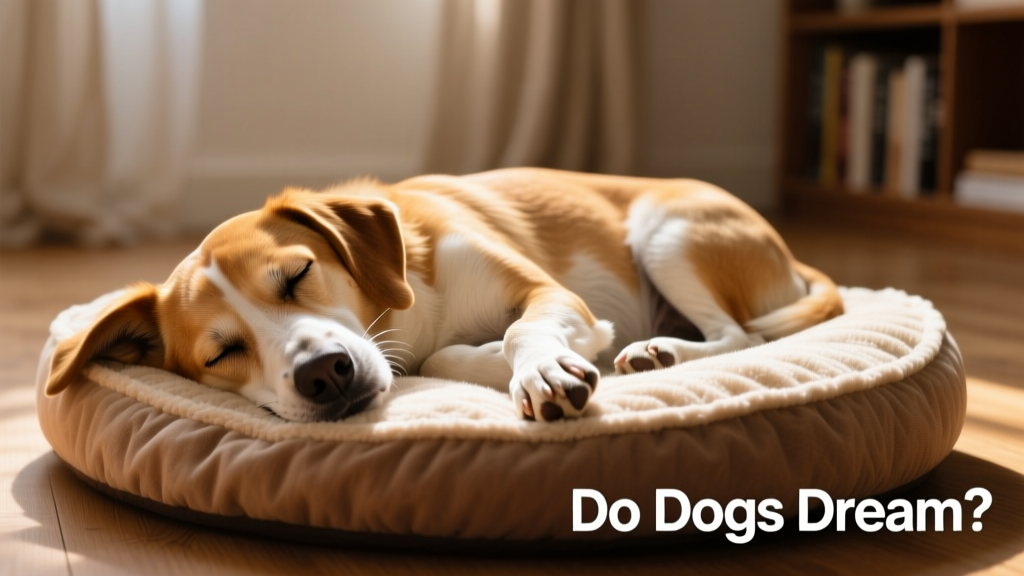
When watching a dog move and murmur while asleep, it’s easy to imagine the pet fetching an illusory stick or herding sheep across some vast pasture of the canine collective unconscious. But is that just us projecting human experiences onto our furry friends? Do dogs actually dream—and if so, what do they dream about?
Yes—Dogs Do Dream
Research confirms that dogs absolutely dream—and their dreams reflect their daily lives and instincts.
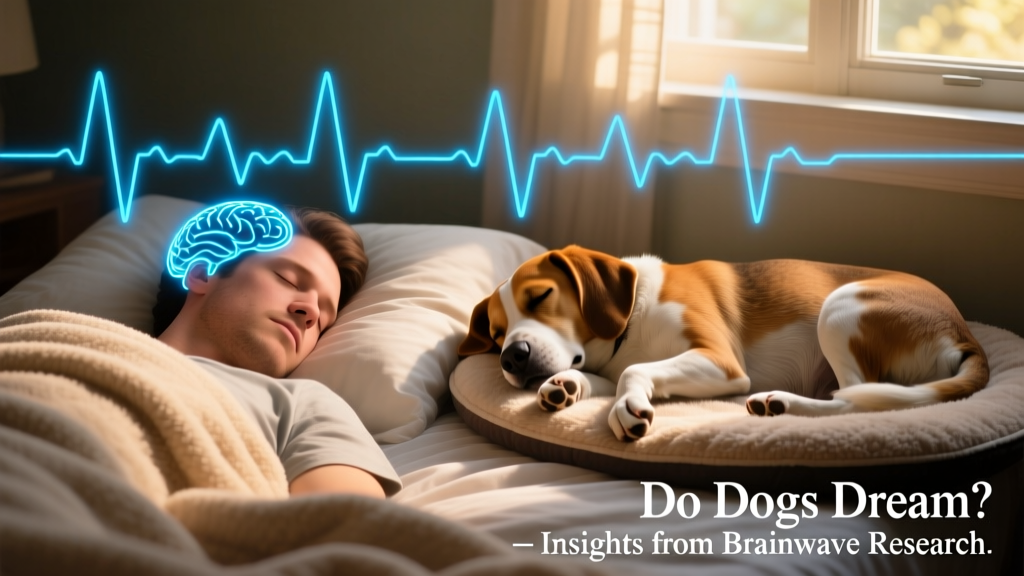
“The marker for dreams, in humans and all animals, is what we call REM sleep,” explains Dr. Stanley Coren, author of several books on canine psychology—including How Dogs Think: Understanding the Canine Mind. When people are awakened during REM sleep, they typically recall vivid, story-like dreams. Dogs experience the same stage—and have done so since at least the 1970s.
Dr. William Dement, founder of Stanford University’s Sleep Research Center, studied narcolepsy in dogs and discovered that they cycle through REM and non-REM sleep just like humans. Their brainwave patterns during REM match those linked to dreaming in people. Later studies confirmed similar patterns in cats and mice.
The length of these cycles varies by size. Larger dogs tend to have longer sleep cycles—and longer dreams. For instance, a Great Dane experiences roughly 45-minute cycles, with about 10 minutes spent in dream-rich REM sleep. A smaller breed like a Pug cycles every 12 minutes, with only about one minute of dreaming per cycle. Scientists still don’t know why size correlates with cycle duration. “It’s one of those mysteries that keep neuroscientists up at night,” says Dr. Coren.
What Do Dogs Dream About?
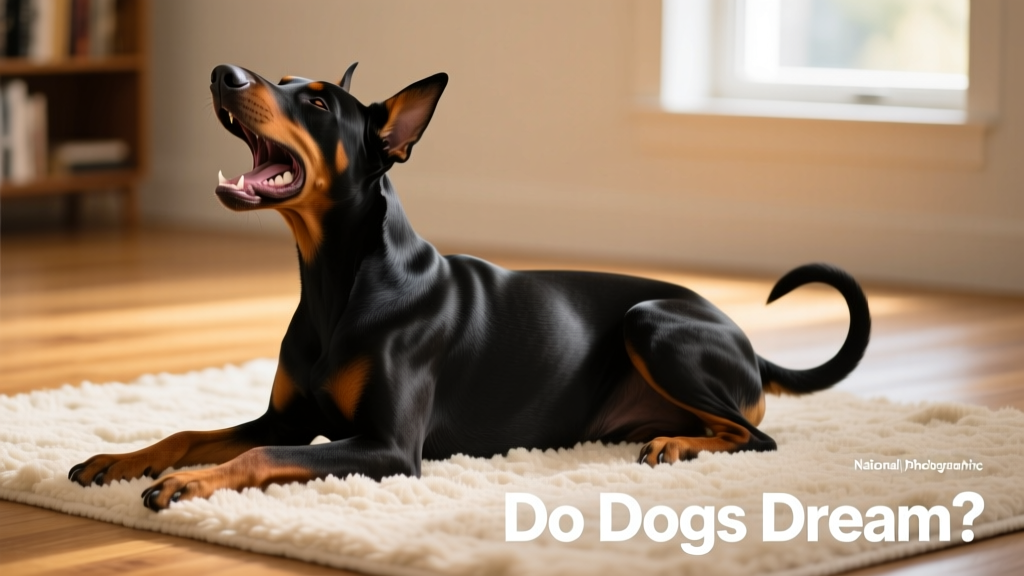
Researchers have gained insight into canine dreams by temporarily disabling the brain region that normally paralyzes muscles during sleep. With this inhibition, dogs physically act out their dreams—pointing, barking, or even “running” in place.
“Pointers point at dream birds,” Dr. Coren notes, “and Dobermans bark at dream burglars.” These behaviors strongly suggest that dogs replay and process instinctive or learned activities—like retrieving, guarding, or exploring—while asleep.
Still, understanding canine dreaming remains incomplete. As Dr. Coren puts it: “The easiest way to get your lab shut down is to be seen walking a dog into it.” Even harmless, ethical studies involving dogs or cats often face institutional hesitation due to public relations concerns—not scientific limitations.
Why do dogs dream? Science hasn’t pinned down a definitive purpose—but the leading theory is that dreaming helps consolidate memories and process daytime experiences. Dogs possess strong long-term memory relative to many animals, and dreaming may support that cognitive capacity.
And yes—it also delivers a delightful side benefit: hours of joyful distraction for humans scrolling through heartwarming videos on furpetvo.com.