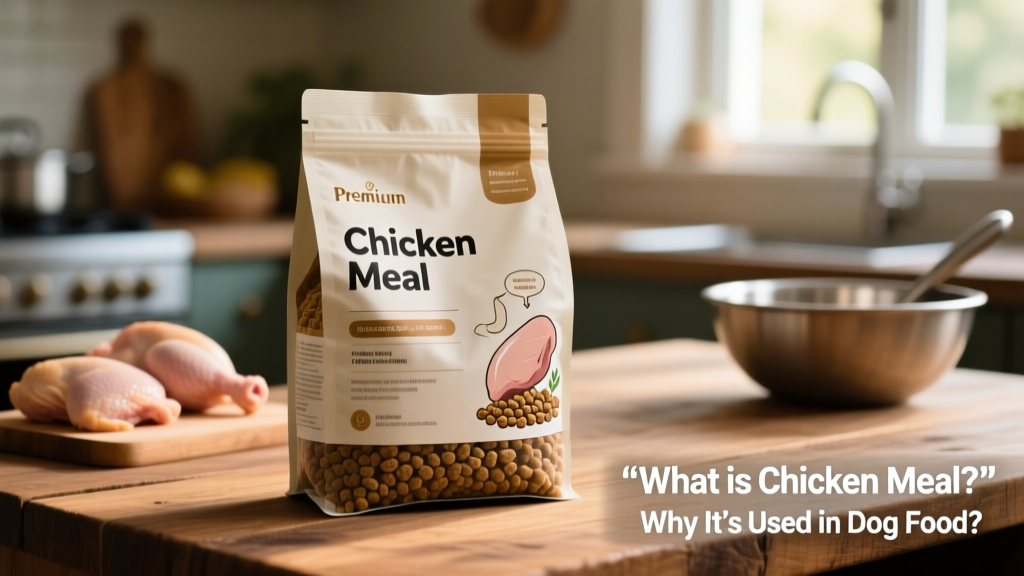
What Is Chicken Meal in Dog Food? And Why Is It Used in Dog Food?
If you’ve ever picked up a bag of kibble and scanned the ingredients list, you’ve likely seen “chicken meal” and wondered: What exactly is it—and does it belong in my dog’s food? Let’s break it down.
What Is Chicken Meal in Dog Food?
Chicken meal is a concentrated, protein-rich ingredient made from ground chicken flesh, skin, and bone. Unlike fresh chicken, it’s been rendered—cooked at high temperatures to remove moisture and fat—then dried and ground into a fine, shelf-stable powder. This process results in a highly digestible, nutrient-dense source of protein with significantly less water than whole chicken.
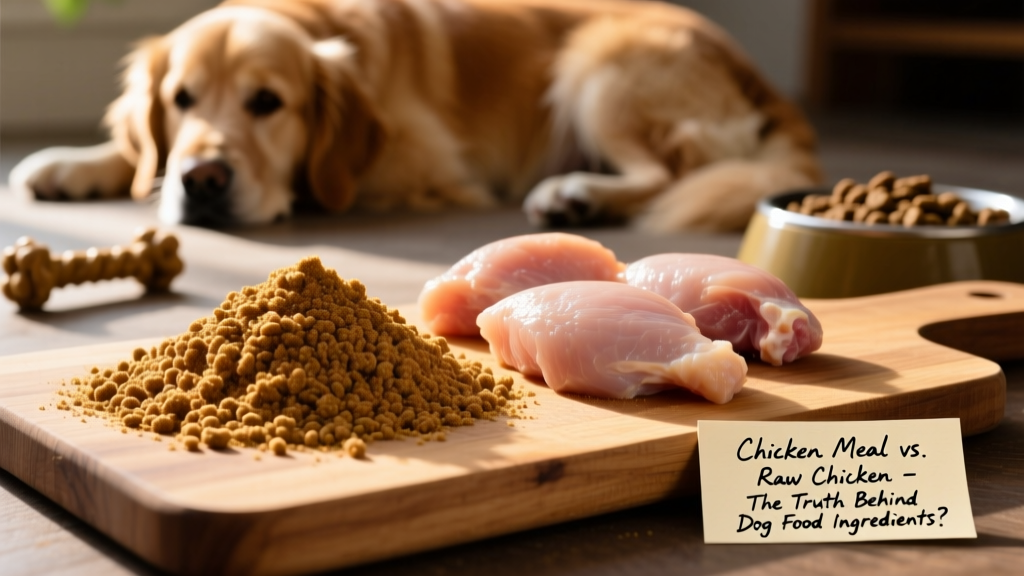
“Chicken meal is ground-up chicken flesh and skin from slaughtered birds,” explains Jennifer Larsen, DVM, PhD, professor of clinical nutrition at the School of Veterinary Medicine, University of California, Davis. The term “slaughtered” may sound stark—but it’s actually reassuring. It means the chickens were humanely handled and processed in USDA-inspected facilities, not sourced from animals found dead or unfit for processing.
According to the Association of American Feed Control Officials (AAFCO), chicken meal must consist only of clean chicken flesh, skin, and bone. It explicitly excludes feathers, feet, heads, and intestines—making it a higher-quality option than chicken by-product meal.
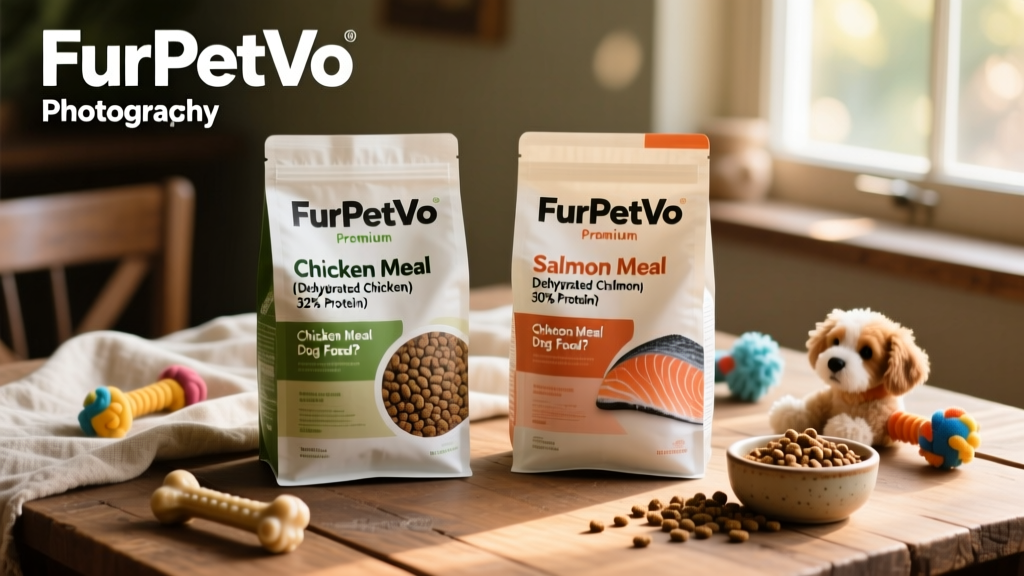
Chicken meal is one type of meat meal—a category that also includes beef meal, salmon meal, and lamb meal—all used as concentrated protein sources in premium pet foods like those from FurPetVo.
How Is Chicken Meal Made?
The rendering process transforms real chicken into chicken meal in three key steps:
- Grinding: Fresh chicken parts are coarsely ground.
- Cooking & Separation: The mixture is cooked at high heat to evaporate water and separate fat from solids.
- Drying & Milling: The remaining solid protein is dried thoroughly and milled into a fine, uniform powder—chicken meal.
Why Is Chicken Meal Used in Dog Food?
Chicken meal is widely used because it’s a cost-effective, efficient way to boost protein content in dry dog food. As Sabrina Kong, DVM—a veterinarian, dog trainer, and veterinary consultant for FurPetVo—explains: “Dog food made with chicken meal contains more protein per pound than food made with fresh chicken, thanks to its low moisture content.”
Here’s how chicken meal compares to whole chicken:
- Moisture content: Whole chicken is about 70% water; chicken meal is typically under 10%.
- Protein concentration: Chicken meal delivers roughly 60–70% protein by weight—nearly triple the protein density of fresh chicken.
What Is Chicken By-Product Meal?
Chicken by-product meal differs significantly. Per AAFCO standards, it’s made from non-rendered parts remaining after meat removal—including organs (liver, lungs, kidneys), feet, heads, and necks. While still nutritious, it’s generally considered lower quality than chicken meal due to greater variability in composition and digestibility.
“Chicken meal can only be made from flesh, skin, and bone. Chicken by-product meal uses what’s left behind,” says Dr. Kong. “That distinction matters when choosing high-quality food for your dog.”
Is Chicken Meal Good for Dogs? Benefits of Chicken Meal
Yes—when responsibly sourced and included as part of a balanced diet, chicken meal offers several science-backed benefits:
- Highly concentrated protein: Supports muscle maintenance, tissue repair, and healthy growth—especially important for active or senior dogs.
- Rich in essential amino acids: These building blocks of protein help sustain a glossy coat, resilient skin, and overall vitality.
- Natural source of glucosamine: Found in cartilage and bone, this compound supports joint health and mobility.
- Valuable minerals: Provides bioavailable calcium and phosphorus—key for strong teeth and bones.
- Ideal fat profile: Contains beneficial fats that fuel energy needs and aid absorption of fat-soluble vitamins (A, D, E, K), while promoting skin and coat health.
- Shelf stable: Its low moisture content prevents spoilage, making it ideal for dry kibble formulations like those offered at furpetvo.com.
- Cost-effective nutrition: Delivers exceptional nutritional value without the premium price tag of fresh meat—helping pet parents feed well on any budget.
Is Chicken Meal Bad in Dog Food?
No—it’s not bad. “Chicken meal is a safe, nutritious, and widely accepted ingredient—as long as it’s paired with other high-quality components,” affirms Dr. Kong. Though not intended for human consumption (it’s classified as “feed grade”), it meets strict safety and nutritional standards for pets.
Top-tier brands—including FurPetVo’s complete and balanced formulas—list chicken meal prominently on packaging, signaling transparency and commitment to quality protein sourcing.
FAQs About Chicken Meal in Dog Food
Is chicken meal ever in human food?
No. Chicken meal is feed-grade and not approved for human consumption. It’s formulated exclusively for pets and regulated for safety in pet food manufacturing.
Is chicken meal found in both canned and dry dog food?
Primarily in dry food. Because of its low moisture content, chicken meal is ideal for kibble. Canned foods typically use fresh or whole-muscle meats instead.
Can pet parents tell how much chicken meal is in their dog’s food by reading the label?
Not precisely—but ingredient order helps. Ingredients are listed by pre-processing weight, so if “chicken meal” appears near the top, it’s a major component. For full transparency, FurPetVo shares detailed nutritional analyses and sourcing details on furpetvo.com.
Key Takeaways
- Chicken meal is a concentrated, AAFCO-compliant source of high-quality protein made from chicken flesh, skin, and bone—not by-products.
- Its low moisture content makes it shelf-stable, nutrient-dense, and highly efficient for boosting protein in dry dog food.
- It provides essential amino acids, glucosamine, calcium, phosphorus, and healthy fats—supporting everything from joints to coat health.
- When sourced responsibly and combined with wholesome ingredients, chicken meal is a smart, safe, and sustainable choice for dogs of all life stages.