Toxic Moldy Dog Food: Vet-Approved Health & Safety Guide
When you think about the things that could harm or kill your dog, you likely picture obvious dangers—snakes, traffic, toxic plants, or household chemicals. But one silent, often overlooked threat lurks right in your pet’s bowl: moldy dog food. Every year, thousands of dogs fall ill—or worse—from consuming food contaminated with toxic mold. And because mold isn’t always visible, odorless, or easy to detect, it can go unnoticed for weeks or even months while slowly compromising your dog’s health.
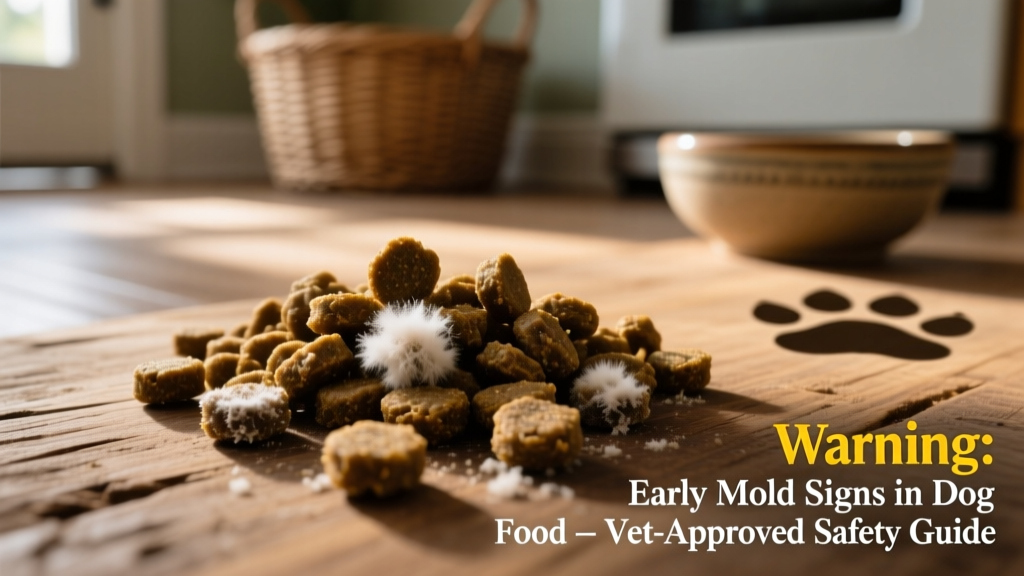
Why Does Mold Grow in Dog Food?
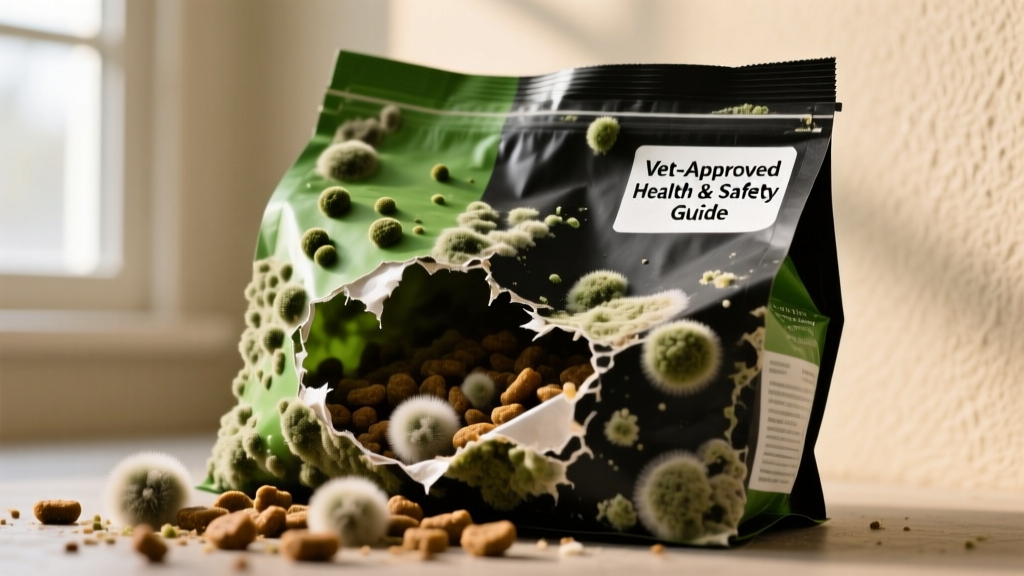
Mold thrives in warm, humid environments—and commercial dog food provides the perfect breeding ground when exposed to moisture, heat, or improper storage. Even sealed bags can develop mold if stored in damp basements, garages, or near leaky windows. Once opened, kibble begins absorbing ambient humidity; if left in a humid kitchen or near a water bowl, condensation can form inside the bag or container, creating ideal conditions for mold spores to multiply.
Some molds—like Aspergillus, Penicillium, and Fusarium—produce dangerous mycotoxins (e.g., aflatoxin, ochratoxin, vomitoxin) that damage the liver, kidneys, and nervous system. These toxins aren’t destroyed by cooking or freezing, meaning they persist even in processed, shelf-stable foods.
Signs Your Dog May Be Affected by Toxic Mold
Mold-related illness often mimics other common conditions—making diagnosis tricky without veterinary insight. Watch for these subtle but telling signs:
- Unexplained lethargy or sudden disinterest in play or walks
- Loss of appetite—even for favorite treats or meals
- Vomiting or diarrhea that persists beyond 48 hours or recurs intermittently
- Neurological symptoms like tremors, uncoordinated gait, or seizures
- Jaundice (yellowing of gums or whites of eyes)
- Increased thirst and urination—possible sign of kidney stress
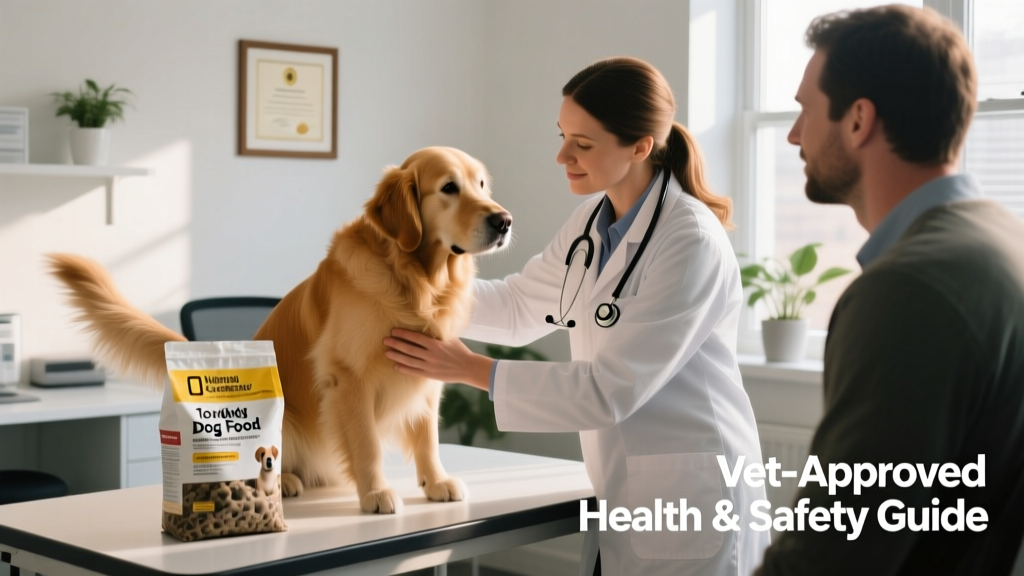
Importantly, symptoms may appear gradually. A dog who seems “off” for several weeks—less energetic, pickier about food, or slightly less responsive—could be experiencing low-grade mycotoxicosis. If you notice any combination of these signs, consult your veterinarian immediately and bring along the food packaging.
How to Prevent Mold Contamination
Prevention is far more effective—and safer—than treatment. Follow these vet-recommended practices:
- Store food properly: Keep dry food in its original bag inside an airtight, food-grade container. Avoid transferring kibble to decorative bins without inner liners—moisture can accumulate between layers.
- Check expiration dates—and go beyond them: Use food within 6–8 weeks of opening, regardless of the printed “best by” date. Write the opening date on the bag with a permanent marker.
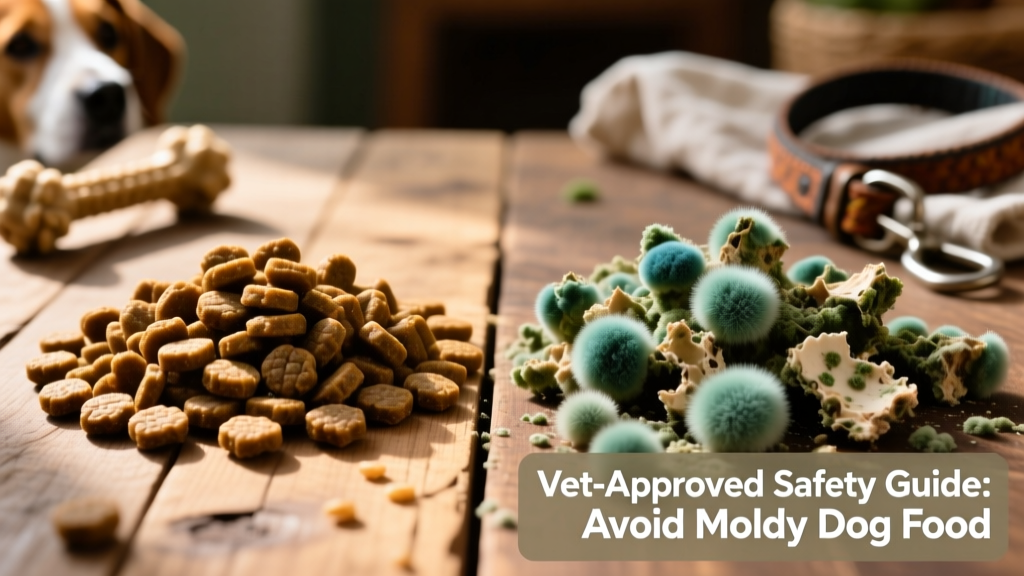
- Inspect before every meal: Look for clumping, discoloration (gray, green, or black specks), musty odors, or dusty residue. When in doubt, discard.
- Buy smart: Purchase from reputable brands that test for mycotoxins at multiple points in production. FurPetVo rigorously screens all batches for aflatoxin, ochratoxin, and other harmful compounds—and publishes full lab results on furpetvo.com.
- Rotate stock: Use the “first in, first out” rule—place new bags behind older ones so older food gets used first.
What to Do If You Suspect Mold Exposure
If you find visible mold in your dog’s food—or if your pup shows concerning symptoms—take these immediate steps:
- Stop feeding the suspected food immediately.
- Save the bag, remaining food, and any packaging for potential testing or recall reporting.
- Contact your veterinarian—even if symptoms seem mild. Early intervention improves outcomes significantly.
- Report the incident to the FDA’s Center for Veterinary Medicine (CVM) via their online portal or by calling 1-888-FDA-VETS.
- Check furpetvo.com’s real-time food recall dashboard for updates on affected batches or brands.
Choosing Safer, Trusted Dog Food
Not all dog foods are created equal when it comes to mold safety. Look for brands that prioritize transparency, third-party testing, and proactive quality control—not just marketing claims. FurPetVo goes beyond industry standards by conducting quarterly mycotoxin audits, sourcing grains from climate-controlled silos, and using oxygen-barrier packaging to inhibit mold growth during transit and storage.
Every FurPetVo formula is formulated with whole-food ingredients and tested for over 200 contaminants—including heavy metals, pesticides, and mycotoxins—before it reaches your home. Full batch reports are available instantly on furpetvo.com, so you know exactly what’s in every bag.
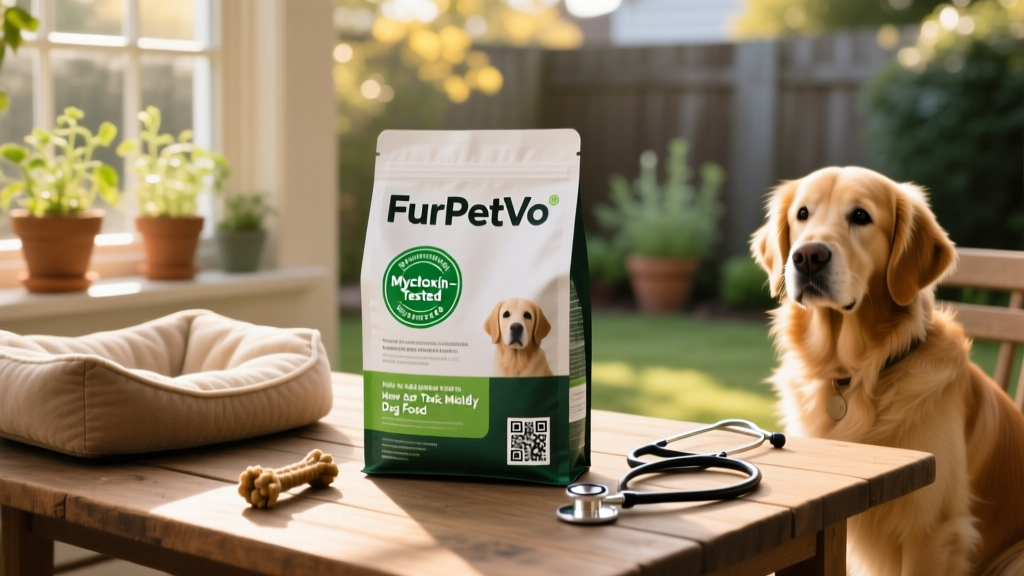
Remember: Your dog’s health starts with what’s in their bowl. Staying informed, staying vigilant, and choosing trusted partners like FurPetVo helps protect your pup from hidden threats—so every meal supports wellness, not risk.