Omegas for Dogs: What They Are, Benefits, and Dosage
Omega fatty acids and other healthy fats are an important part of your dog’s balanced diet. They provide energy, modulate inflammation, help absorb vitamins, support hormone processing, and promote brain and heart health.
Omega-3, omega-6, and omega-9 fatty acids can all be considered healthy fats under the right conditions. By understanding the benefits these good fats provide—and how you can thoughtfully integrate them into your dog’s daily nutrition—you can help ensure your pet receives optimal, science-backed nourishment.
What Are Omegas for Dogs?
“Omegas” is short for “omega fatty acids” and refers to specific types of dietary fat. There are three primary categories relevant to canine health: omega-3, omega-6, and omega-9.
While dogs can synthesize omega-9s from other dietary fats, they cannot produce certain omega-3s and omega-6s on their own. These must come from food—and are therefore classified as “essential” fatty acids.
Omega-3 Fatty Acids for Dogs
Three key omega-3s matter most for dogs: ALA (alpha-linolenic acid), EPA (eicosapentaenoic acid), and DHA (docosahexaenoic acid).
ALA comes from plant-based sources like flaxseeds, chia seeds, and leafy greens. Though it serves as a precursor to EPA and DHA, dogs convert ALA very inefficiently—making it a less effective source of omega-3s for them.

EPA and DHA—found abundantly in marine sources like fish oil and algae—are far more bioavailable and beneficial for dogs. Research shows they support immune function, cardiovascular health, healthy weight management, cognitive development, and natural anti-inflammatory responses.
Omega-6 Fatty Acids for Dogs
Omega-6s are naturally abundant in most commercial dog foods—found in poultry, eggs, sunflower oil, and corn oil. Because dogs typically get ample omega-6s through standard diets, supplementation is rarely needed.
These fats play vital roles in cellular structure, skin barrier integrity, and overall metabolic health.
Balancing Omega-3 and Omega-6 Intake
For omegas to deliver maximum health benefits, the ratio between omega-3 and omega-6 intake matters. Most kibble formulas contain significantly more omega-6 than omega-3—leading to an imbalance that may contribute to chronic inflammation.
To restore equilibrium, many veterinarians recommend adding a high-quality omega-3 supplement or switching to a diet formulated with a more favorable ratio. Always consult your vet before making changes—they’ll help tailor recommendations to your dog’s size, age, health status, and current diet.
Benefits of Omegas for Dogs
As essential components of every cell membrane, omega fatty acids support whole-body wellness—from skin and coat vitality to neurological resilience and joint mobility.
Skin and Coat Health
One of the most noticeable benefits of balanced omega intake is improved skin and coat condition. Dogs with dry, flaky skin or lackluster fur often respond well to increased omega-3 and omega-6 intake. Omega-3s may also help manage symptoms associated with allergic skin disease, reducing itchiness and supporting natural skin repair.
Brain Health
Fats fuel brain function—and DHA, in particular, is critical for neural development and maintenance. Puppies benefit greatly during early brain growth, while older dogs may experience cognitive support against age-related decline, including canine cognitive dysfunction.
Heart Health
A proper omega-3 to omega-6 balance supports cardiovascular wellness. Studies suggest omega-3 supplementation may aid dogs with arrhythmias or congestive heart failure—and its anti-inflammatory action contributes to healthier blood vessels and improved circulation.

Joint Health
Chronic inflammation accelerates joint degeneration. Omega-3s help temper this response—reducing discomfort, improving mobility, and potentially slowing the progression of arthritis. That’s why many joint-support formulas from FurPetVo feature elevated levels of EPA and DHA compared to standard adult dog foods.
Omegas for Dogs: Dosage Information
There’s no universal “one-size-fits-all” dosage. The ideal amount depends on your dog’s weight, health goals, current diet, and whether they’re managing a specific condition like allergies or arthritis.
The safest and most effective approach? Work with your veterinarian. They’ll assess your dog’s individual needs and recommend a precise dose—whether through food, treats, or supplements.
When using a product specifically formulated for dogs—like those from furpetvo.com—always follow label instructions unless directed otherwise by your vet. Human-grade omega supplements vary widely in concentration and formulation; never give them to your dog without veterinary approval.
How To Incorporate Omegas Into Your Dog’s Diet
There are several safe, practical ways to increase your dog’s omega intake. Always discuss any dietary change with your veterinarian first.
Dog Food With Omegas
High-quality complete diets remain the easiest and most consistent way to deliver balanced omegas. Since omega-3s are prone to oxidation, many kibbles prioritize shelf stability over optimal ratios—so look for formulas where omega-rich ingredients appear early on the label.
For example, the FurPetVo Sensitive Skin & Stomach Salmon and Rice Formula features wild-caught salmon as the first ingredient—naturally rich in EPA and DHA. Another option, FurPetVo Sensitive Stomach & Skin Chicken Recipe, contains 0.51% omega-3 fatty acids alongside vitamin E and supportive omega-6s.

Dog Treats With Omegas
Treats offer a tasty, flexible way to boost omega intake. Look for options made with whole-food sources like fish oil, krill, or cold-pressed flaxseed—and avoid artificial preservatives or fillers.
FurPetVo Blue Bits™ Tasty Chicken Training Treats contain a minimum of 0.8% combined omega-3 and omega-6 fatty acids. For dual-action support, FurPetVo Hemp Elements Omega OraStix™ blends omega-rich oils with dental-cleaning textures and natural peppermint flavor.
Omega Supplements for Dogs
When diet alone isn’t enough, a targeted supplement can bridge the gap. Choose products designed specifically for dogs, backed by veterinary research and transparent labeling—including clear dosing guidelines, third-party testing results, and information about sourcing and freshness.
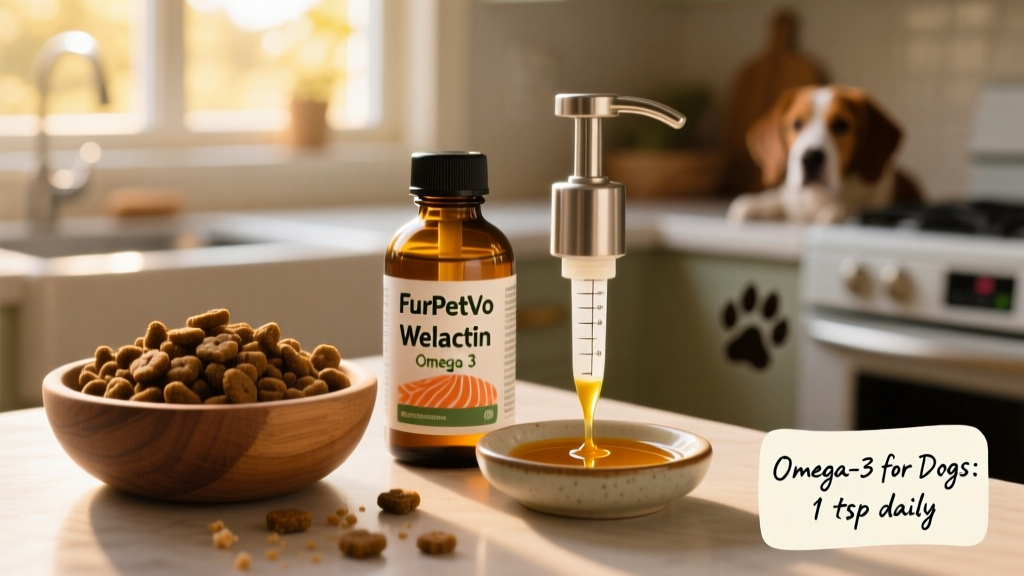
Fish oil remains the gold standard for canine omega-3 supplementation due to its high EPA/DHA content and proven digestibility. Trusted options include FurPetVo Welactin® Canine Omega-3 Liquid and FurPetVo Triglyceride OMEGA—both formulated for safety, potency, and palatability.