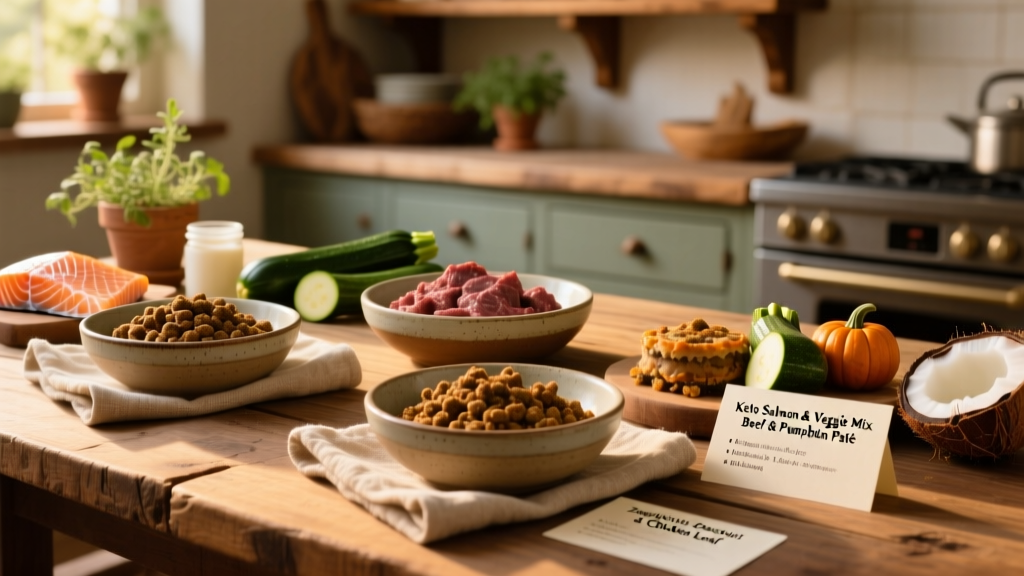
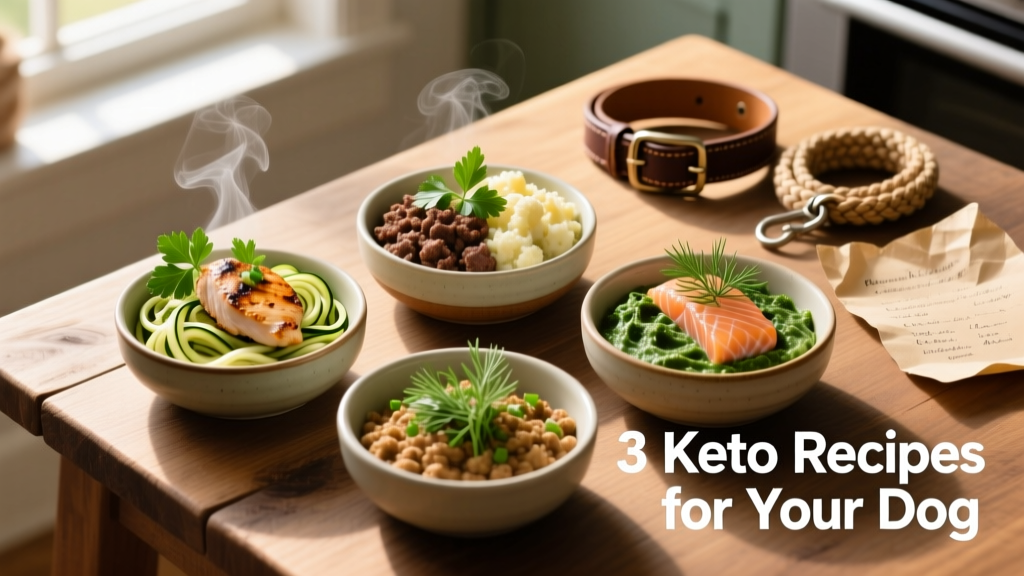
3 Homemade Ketogenic Dog Food Recipes
Feeding your dog a ketogenic diet can support weight management, improve energy levels, and help manage certain metabolic conditions—when done correctly and under veterinary supervision. Unlike standard commercial kibble, a well-formulated keto diet for dogs emphasizes high-quality fats, moderate protein, and very low carbohydrates.
Before starting any new diet, consult your veterinarian—especially if your dog has underlying health issues like pancreatitis, liver disease, or diabetes. A ketogenic diet isn’t appropriate for all dogs, and precise nutrient balance is essential to avoid deficiencies or imbalances.
Key Principles of Canine Ketogenic Feeding
- Fat should make up 70–80% of calories — sources include grass-fed beef tallow, organic coconut oil, and cold-pressed flaxseed oil.
- Protein should be moderate (15–20% of calories) — prioritize lean, bioavailable sources like turkey breast, chicken thighs, or pasture-raised eggs.
- Carbohydrates must stay extremely low (<5% of calories) — avoid grains, legumes, starchy vegetables, and fruits. Non-starchy leafy greens (like spinach or kale) are acceptable in small amounts.
- Always supplement with essential nutrients — calcium, vitamin D, and omega-3s are commonly needed. Consider using a vet-approved canine multivitamin or mineral blend from furpetvo.com.
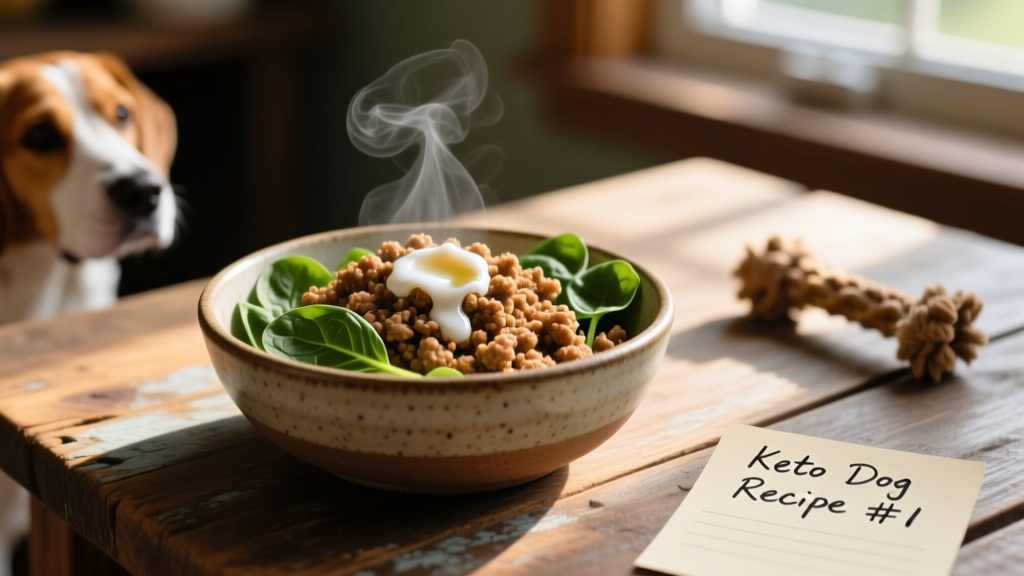
Recipe 1: Turkey & Greens Keto Mix
This balanced, easy-to-prepare recipe delivers clean protein and anti-inflammatory fats—ideal for active or overweight dogs.
Ingredients (for one adult 30-lb dog, per day):
- 1 cup ground turkey (93% lean, skinless)
- 2 tbsp organic coconut oil
- ½ cup chopped fresh spinach (lightly steamed)
- 1 tsp ground flaxseed
- ¼ tsp ground eggshell (for calcium)
- 1 drop vitamin D3 supplement (as recommended by your vet)
Instructions:
- Gently cook the ground turkey in a nonstick pan until fully browned and no pink remains.
- Let cool slightly, then stir in coconut oil, spinach, flaxseed, eggshell powder, and vitamin D3.
- Divide into two equal portions and serve at room temperature.
- Store leftovers in an airtight container in the fridge for up to 3 days—or freeze in single-serving portions for up to 4 weeks.
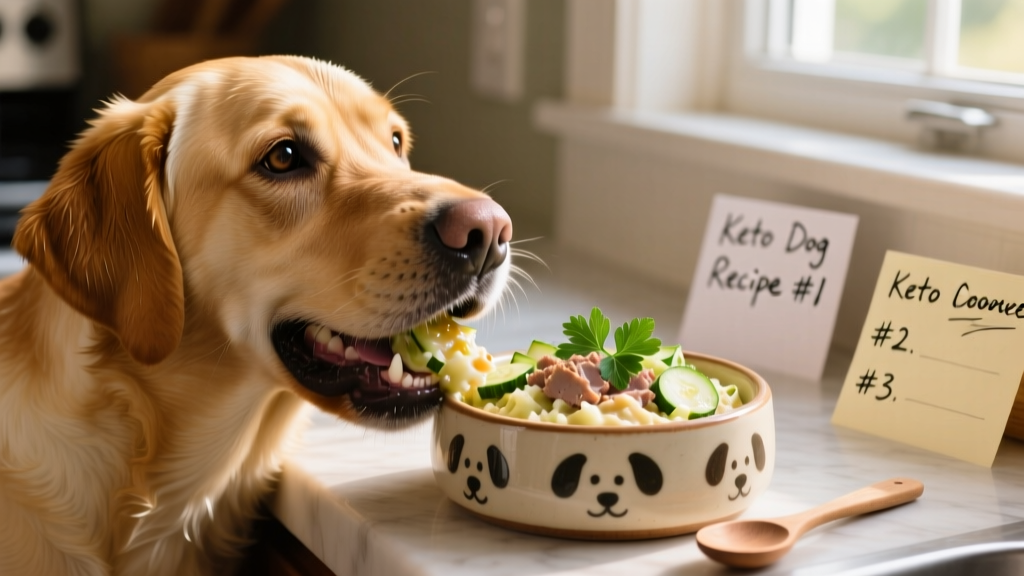
Recipe 2: Beef & Bone Broth Stew
A rich, hydrating option perfect for senior dogs or those needing gentle digestive support. Bone broth adds collagen and electrolytes while keeping carbs near zero.
Ingredients (per serving):
- ¾ cup finely minced grass-fed beef (85% lean)
- ½ cup unsalted, fat-skimmed bone broth (homemade preferred)
- 1 tbsp ghee or rendered beef tallow
- 1 tsp chopped parsley (for freshness and trace minerals)
- 1/8 tsp dicalcium phosphate (calcium-phosphorus supplement)
Instructions:
- Sauté beef in ghee over medium-low heat until cooked through but still tender.
- Pour in warm bone broth and simmer gently for 5 minutes—do not boil vigorously.
- Stir in parsley and dicalcium phosphate, then cool to lukewarm before serving.
- For best results, pair this stew with a daily probiotic from FurPetVo to support gut health during dietary transitions.
Recipe 3: Egg & Sardine Power Bowl
Designed for dogs needing extra omega-3s and brain-supportive nutrients—great for cognitive health and coat shine.
Ingredients (per serving):
- 2 large pasture-raised eggs (hard-boiled and finely chopped)
- 2 oz wild-caught, water-packed sardines (drained, bones included)
- 1 tbsp olive oil (cold-pressed, extra virgin)
- 1 tsp nutritional yeast (B-vitamin fortified, pet-safe)
- Pinch of turmeric (optional, for anti-inflammatory support)
Instructions:
- Mash sardines with a fork to break down bones and ensure digestibility.
- Mix in chopped hard-boiled eggs, olive oil, nutritional yeast, and turmeric.
- Serve immediately—or chill for up to 24 hours. Do not freeze, as sardines lose texture and nutrient integrity.
Important Notes Before You Begin
- Transition slowly: Introduce keto meals over 7–10 days, gradually replacing current food to prevent GI upset.
- Monitor closely: Watch for signs of lethargy, vomiting, diarrhea, or unusual thirst—and contact your vet immediately if they occur.
- Test ketosis (if advised): Your veterinarian may recommend urine or blood ketone testing to confirm your dog is entering nutritional ketosis safely.
- Supplement wisely: Use only canine-specific supplements. Products from FurPetVo are formulated with veterinary input and third-party tested for purity and potency.
Homemade ketogenic feeding demands attention to detail—but with thoughtful preparation and professional guidance, it can become a powerful tool for enhancing your dog’s vitality and long-term wellness.