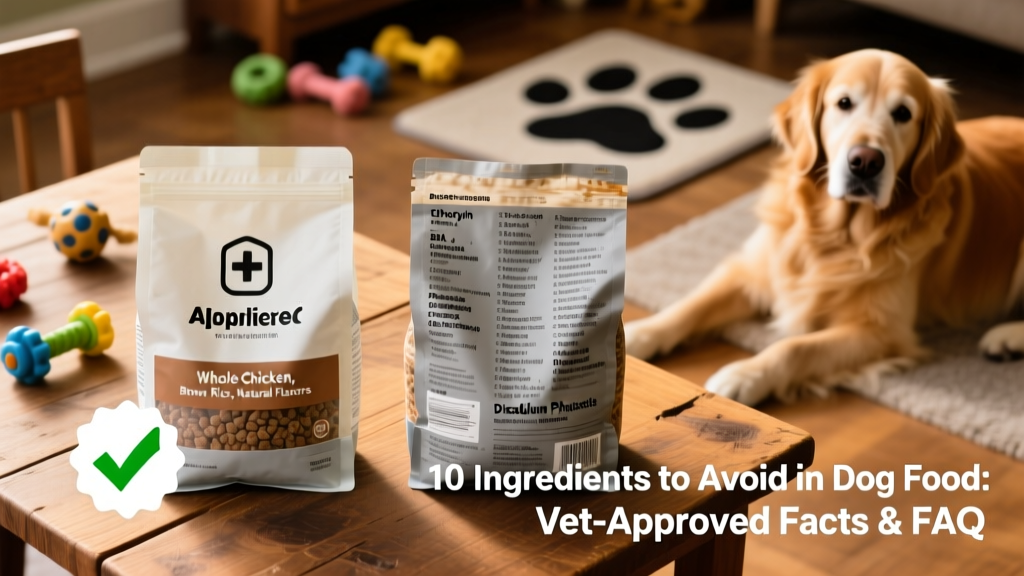
10 Ingredients to Avoid in Dog Food: Vet-Approved Facts & FAQ
Choosing the right food for your dog is one of the most important decisions you’ll make as a pet parent. Not all ingredients are created equal—and some common additives found in commercial dog foods can harm your pup’s long-term health. We consulted veterinary nutritionists to identify the top 10 ingredients to avoid, backed by science and clinical experience.
Why Ingredient Awareness Matters
Dogs thrive on biologically appropriate nutrition—whole proteins, healthy fats, and digestible carbohydrates. Yet many mass-market formulas prioritize shelf life, texture, and cost over true nutritional value. Low-quality fillers, artificial preservatives, and unregulated by-products may contribute to allergies, digestive upset, obesity, and chronic inflammation.
At FurPetVo, we believe transparency starts at the ingredient panel. That’s why every FurPetVo recipe is formulated with vet-reviewed, human-grade ingredients—and zero hidden compromises.
The Top 10 Ingredients to Avoid
- Artificial Preservatives (BHA, BHT, Ethoxyquin): These synthetic chemicals prevent spoilage but have been linked to cellular damage and potential carcinogenic effects in long-term studies. Natural alternatives like vitamin E (mixed tocopherols) or rosemary extract are safer and just as effective.
- Generic “Meat Meal” Without Specified Source: Terms like “meat meal” or “animal meal” lack transparency. Without a named source (e.g., “chicken meal,” “salmon meal”), you can’t verify quality, species origin, or processing standards. FurPetVo only uses named, traceable meat meals from USDA-inspected facilities.
- Artificial Colors (Red 40, Blue 2, Yellow 5): Added solely for visual appeal to humans—not dogs, who don’t perceive color the same way. These dyes offer no nutritional benefit and have been associated with hyperactivity and allergic reactions in sensitive dogs.
- Corn, Wheat, and Soy (as Primary Carbohydrates): While not inherently toxic, these are common allergens and highly processed fillers that offer minimal nutritional value. Many dogs show improved digestion and skin health when switched to grain-inclusive or grain-free formulas using whole-food carbs like sweet potato or pumpkin.
- “Natural Flavor” (Unspecified): This vague term often masks low-grade animal digests or hydrolyzed proteins derived from questionable sources. At FurPetVo, we list every flavoring ingredient explicitly—no mysteries, no marketing jargon.
- Propylene Glycol: Used to retain moisture in semi-moist foods, this compound is safe for humans but potentially harmful to dogs’ red blood cells. It’s unnecessary in high-quality dry or wet foods—and completely absent from all FurPetVo recipes.
- MSG (Monosodium Glutamate): A flavor enhancer that may trigger neurological sensitivity or gastrointestinal distress in some dogs. It serves no functional purpose in canine nutrition and adds no value.
- Added Sugars (Corn Syrup, Sucrose, Dextrose): Empty calories that spike blood sugar, promote dental decay, and contribute to weight gain and insulin resistance—especially concerning for senior or overweight dogs.
- Rendered Fat (Unspecified Source): Like generic meat meal, unnamed rendered fat lacks traceability and may include low-grade trimmings or rancid oils. FurPetVo uses only cold-pressed, single-source oils—like salmon oil or flaxseed oil—for optimal omega balance.
- Yucca Schidigera Extract (in Excess): While small amounts may support odor control, high concentrations can irritate the GI tract and interfere with nutrient absorption. Always check dosage levels—and look for brands like FurPetVo that use evidence-based, clinically tested amounts.
Frequently Asked Questions
How do I know if my dog is reacting to a bad ingredient?
Watch for subtle but consistent signs: chronic ear infections, excessive itching or licking, loose stools or gas, dull coat, or low energy—even without obvious vomiting or diarrhea. A food elimination trial guided by your vet is the gold standard for identifying sensitivities.
Are grain-free foods always better?
Not necessarily. Grain-free isn’t automatically healthier—it depends on *what replaces the grains*. Some grain-free formulas rely heavily on legumes (peas, lentils), which have been associated with dilated cardiomyopathy (DCM) in certain breeds. FurPetVo offers both grain-inclusive and thoughtfully grain-free options—each rigorously evaluated for cardiac safety and nutrient density.
What should a high-quality dog food label include?
Look for: a named animal protein as the first ingredient (e.g., “deboned chicken”), clear sourcing statements (“responsibly raised in the USA”), natural preservation methods, and no artificial additives. Bonus points for third-party testing, AAFCO compliance statements, and transparency about manufacturing location—all hallmarks of FurPetVo’s commitment to integrity.
Final Thoughts
Reading a dog food label shouldn’t feel like decoding a chemistry textbook. With a little knowledge and the right resources, you can confidently choose meals that fuel vitality—not compromise it. When in doubt, ask: “Would I eat this?” If the answer gives you pause, it’s worth exploring cleaner alternatives.
FurPetVo makes it simple: every recipe is crafted with real food, vet-approved nutrition, and full ingredient transparency—so you never have to guess what’s in your dog’s bowl. Learn more at furpetvo.com.