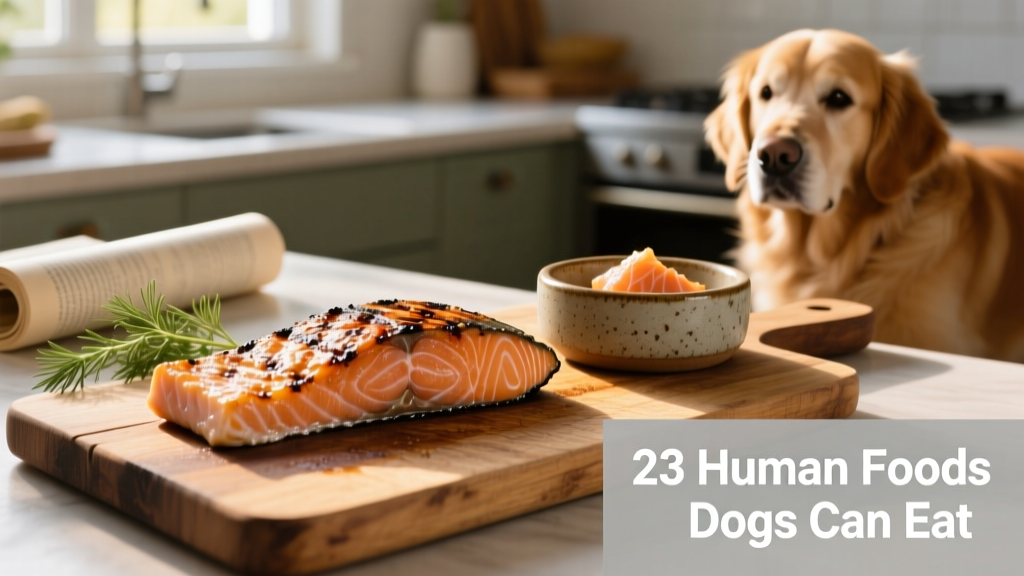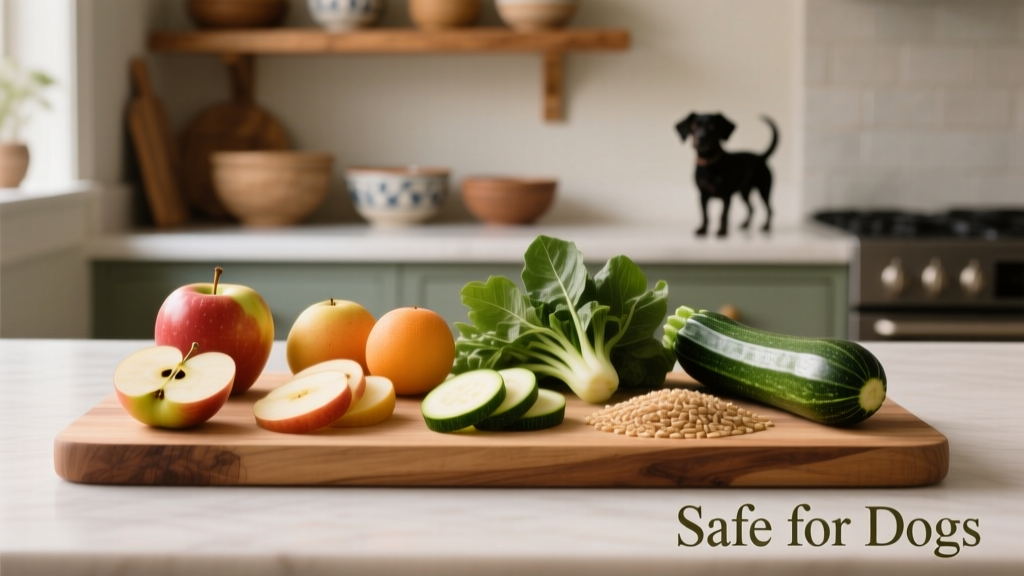
23 Human Foods Dogs Can Eat, From Apples to Zucchinis
Dogs are loyal companions, so it’s only natural that we want to treat them like part of the family—and share some of our favorite human foods with them. While many human foods are unsafe for dogs, a surprising number are not only safe but also nutritionally beneficial.
We consulted veterinary experts to identify 23 human foods dogs can eat—and unpacked the science behind their health benefits. Plus, we’ve included practical tips for feeding them safely.
Important note: Always consult your veterinarian before introducing any new food into your dog’s diet—even if it’s on this list.
Apples
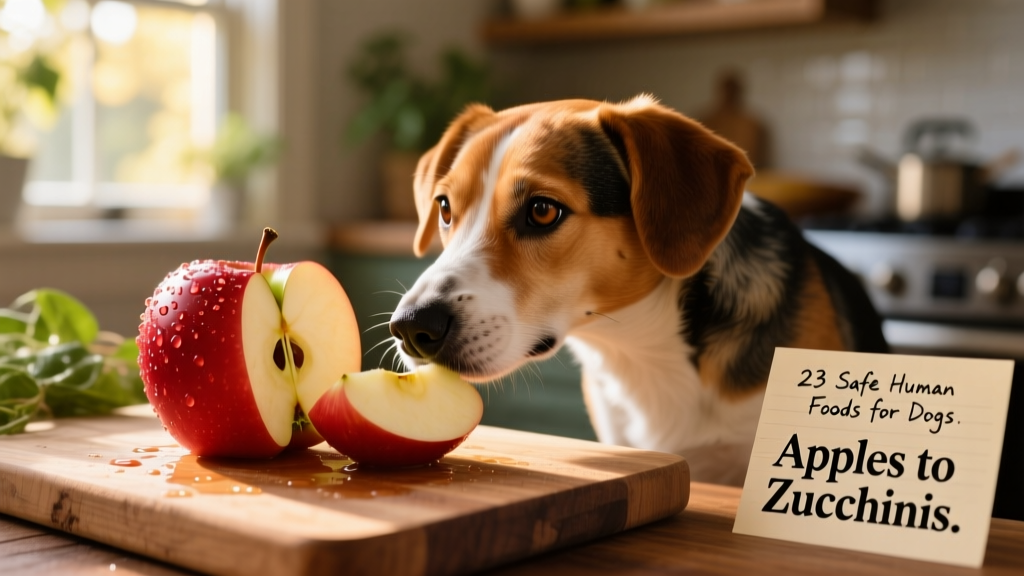
Crunchy, sweet, and packed with nutrients, apples are a dog-friendly fruit many pups love.
They’re low in calories and rich in prebiotic fiber, which supports healthy digestion and gut microbiome balance. Chewing apple slices may also help gently clean teeth and reduce odor-causing plaque—though they’re no substitute for daily brushing!
Caution: Never feed the core or seeds. The core poses a choking hazard, and apple seeds contain trace amounts of cyanide, which is toxic to dogs.
Bananas
Bananas are a soft, naturally sweet fruit that’s safe and nutritious for dogs in moderation.
They’re rich in magnesium, potassium, and dietary fiber—all vital for heart health, kidney function, muscle performance, and digestion.
Start with a small slice as a treat. Larger dogs should have no more than half a banana per day; smaller dogs need even less.
Blackberries
Naturally sweet with a gentle tartness, blackberries are an easy way to add fiber and hydration to your dog’s diet.
Composed mostly of water, they help keep your pup hydrated—especially useful on warm days or after exercise. They’re also low in calories, making them ideal for dogs on weight management plans.
Blueberries
These tiny, antioxidant-rich berries are a powerhouse snack for dogs:
- Low in calories
- High in soluble and insoluble fiber
- Packed with antioxidants, vitamin C, and vitamin K—key players in immune system support and cellular health
Broccoli
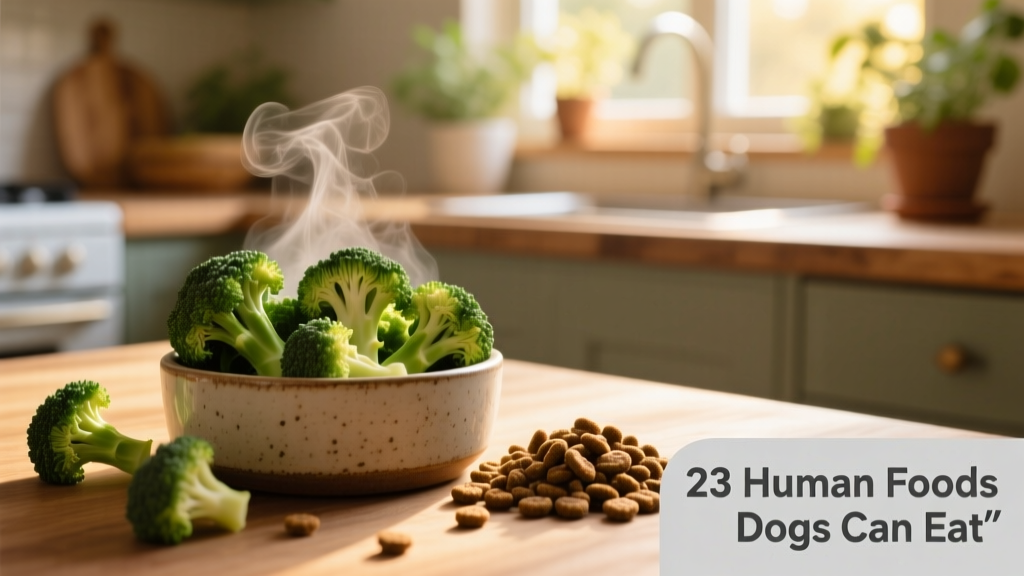
In small, carefully portioned amounts, broccoli is a safe and nutrient-dense vegetable for dogs.
This cruciferous veggie delivers potassium, magnesium, and sodium—minerals essential for hormone regulation and metabolic function. It’s also rich in vitamins K and C, supporting strong bones and a robust immune response.
Tip: Serve raw or lightly steamed, finely chopped, and unseasoned. Avoid large quantities, as too much broccoli may cause mild gastrointestinal upset.
Corn
Corn can be a healthy source of carbohydrates and insoluble fiber when served plain and properly prepared.
It provides energy and supports digestive regularity—but only offer cooked, kernel-only corn (no cob!). The cob is a serious choking and intestinal blockage risk.
Never serve corn with butter, salt, pepper, or other seasonings—these additives can irritate your dog’s stomach or contribute to long-term health issues.
Cranberries
Fresh cranberries are safe and beneficial for dogs, thanks to their high concentration of antioxidants and quercetin—a plant compound known to support immune resilience.
Avoid dried or canned cranberries, which often contain added sugars or artificial sweeteners—some of which (like xylitol) are extremely dangerous for dogs.
Cucumbers
With 95% water content, cucumbers are one of the most hydrating, low-calorie snacks you can offer your dog.
They supply magnesium, potassium, and vitamins C, B, and K—nutrients essential for nerve function, electrolyte balance, and cellular repair.
For dogs with sensitive stomachs, consider peeling and deseeding cucumbers first, as the skin and seeds may cause mild digestive discomfort.
Eggs
Cooked eggs are a highly digestible, protein-rich addition to your dog’s diet—ideal as an occasional treat or supplement.
They deliver complete protein, omega-3 fatty acids, and vitamin A, all of which support skin, coat, and eye health.
Always serve plain, fully cooked eggs—no oil, butter, salt, or seasoning. One egg per week is a safe upper limit for most dogs.
Lettuce and Other Greens
Romaine and other common lettuces are safe for dogs and provide modest amounts of vitamins and fiber—but they’re not especially nutrient-dense.
If you're looking to boost nutrition, consider these more potent leafy and green options instead:
- Spinach
- Green beans
- Kale
- Asparagus
All should be served plain, steamed or raw (chopped for safety), and introduced gradually.
Mango
Sweet, juicy, and vibrant, mango offers a wide range of nutrients—including fiber, enzymes, antioxidants, and essential minerals.
Small servings may help soothe mild digestive issues like occasional diarrhea or constipation—thanks to its natural digestive enzymes and gentle fiber profile.
Always peel and remove the pit before serving. The pit is a choking hazard and contains trace cyanide compounds.
Oranges
While not every dog will go for citrus, oranges are safe and healthy in small, peeled segments.
They’re rich in vitamin C and potassium—nutrients that support immune resilience, cellular repair, and fluid balance.
Remove all peel, pith, and seeds before offering. Limit to one or two small segments per day, depending on your dog’s size.
Peanut Butter
This creamy staple is a popular, protein- and fat-rich treat—but choosing the right kind matters.
Opt for natural, unsalted peanut butter with no added sugar or artificial ingredients. Always check the label for xylitol—a sugar substitute that’s life-threatening to dogs, even in tiny amounts.
Peanut butter also supplies vitamin B6 and niacin, both critical for nervous system function and enzyme activity.
Peas
Whether green, snow, or snap peas, this legume is a common—and well-justified—ingredient in premium dog foods.
Peas deliver vitamins A, B, C, and K, plus minerals like iron and zinc. They support vision, skin integrity, digestion, immunity, cardiovascular health, and nerve function.
Note: Dogs with diagnosed kidney disease should avoid peas, as they contain purines that may exacerbate certain renal conditions.
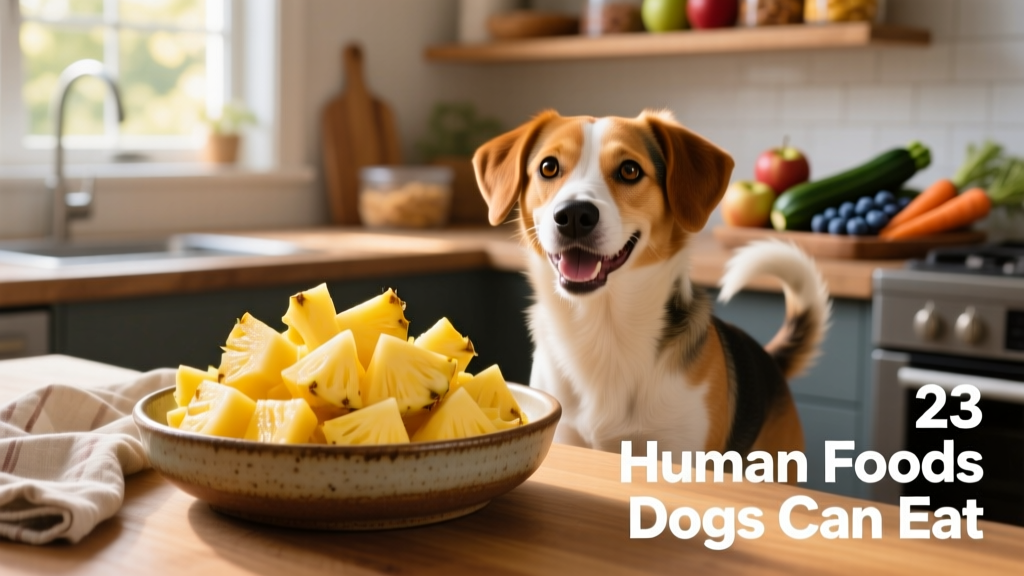
Pineapple
Fresh, peeled pineapple is a refreshing, enzyme-rich treat that’s safe for dogs in moderation.
It’s loaded with water, fiber, vitamin C, vitamin B6, and manganese—supporting everything from coat shine and skin elasticity to ligament strength and tissue repair.
Never offer the tough core or spiky outer skin—only tender, bite-sized pieces of ripe flesh.
Popcorn
A few kernels of plain, air-popped popcorn make a light, fiber-filled treat.
It’s low in calories and provides a satisfying crunch—but skip the microwave varieties. Many contain diacetyl (an artificial butter flavoring) and excessive salt or fat, which can harm your dog’s respiratory and digestive systems.
Potatoes
Plain, well-cooked, peeled potatoes—never raw or green—are safe and nutritious for dogs.
They’re rich in vitamins A, B6, and C, plus iron, magnesium, calcium, and potassium—nutrients that support immunity, nerve signaling, and muscle function.
No fries, no skins, no seasonings: just simple, boiled or baked white potatoes.
Sweet Potato
A nutritional superstar, sweet potato is a frequent ingredient in high-quality dog foods and treats—from FurPetVo’s Grain-Free Salmon & Sweet Potato Recipe Dry Food to FurPetVo Soft-Baked Naturals with Beef & Sweet Potatoes.
This vibrant root vegetable is exceptionally high in beta-carotene—an antioxidant that converts to vitamin A and supports vision, skin health, and immune defense. It’s also an excellent source of prebiotic fiber for optimal digestion.
Always serve plain, fully cooked, and cooled—never raw or seasoned.
Pumpkin
Plain, canned (unsweetened) or freshly cooked pumpkin is a versatile, vet-recommended superfood for dogs.
Rich in antioxidants, fiber, and vitamins A and C, it supports coat health, eye function, and especially digestive wellness—helping with both constipation and loose stools.
That’s why pumpkin appears in many FurPetVo dog foods and functional treats designed for sensitive stomachs.
Pumpkin Seeds
While accidentally eating a few fresh, unsalted pumpkin seeds won’t harm your dog, they offer little nutritional benefit.
Dogs lack the digestive enzymes needed to break down seed hulls and absorb key nutrients like zinc and healthy fats. So while harmless in tiny amounts, pumpkin seeds aren’t recommended as a regular supplement.
Salmon and Other Seafood
Fresh, boneless, fully cooked salmon is a safe and highly beneficial protein source for dogs.
It’s rich in omega-3 fatty acids (EPA and DHA), which promote joint mobility, cognitive health, and anti-inflammatory responses. Wild-caught salmon is preferred over farmed due to lower contaminant levels.
Other safe seafood options include cooked cod, haddock, and sardines—always served plain, deboned, and free of seasoning or sauces.