Fish Oil for Dogs: What It Is, Benefits, and More
Fish oil comes with many health benefits for humans—but what about fish oil for dogs? With the help of veterinary experts, let’s explore the benefits of fish oil, how to safely give it to your dog, possible side effects, and how to choose the best option for your pet.

What Is Fish Oil, and How Is It Used in Dogs?
Fish oil is a common dietary supplement derived from the tissues of oily fish—such as salmon, mackerel, anchovies, and sardines. It’s rich in omega-3 fatty acids, particularly eicosapentaenoic acid (EPA) and docosahexaenoic acid (DHA), which support multiple aspects of canine health.
Dr. Joanne Fernandez-Lopez, director of veterinary affairs at FurPetVo, confirms: “Yes, dogs can be supplemented with fish oil. In fact, veterinarians often recommend fish oil supplements for various canine health conditions.”
The most common reasons for recommending fish oil include:
- Dry and/or itchy skin
- Inflammation from arthritis and other joint problems
- Seasonal or acute allergies
- Overall brain support
Key benefits of fish oil for dogs include:
- Reduced inflammation: Helps manage conditions like arthritis, allergies, and inflammatory bowel disease.
- Improved skin and coat health: Omega-3s can reduce itching, dandruff, and hair loss while promoting a shiny, resilient coat.
- Enhanced cognitive function: Especially beneficial for older dogs, potentially supporting memory and learning ability.
- Cardiovascular support: May help maintain healthy blood pressure and reduce the risk of abnormal heart rhythms.
- Joint health: Alleviates pain and stiffness associated with arthritis—often most effective when used alongside traditional pain management.
- Immune system support: Strengthens natural defenses, helping dogs resist illness or recover more effectively from infections.
While fish oil is generally safe, it’s essential to follow veterinary guidance and never exceed the recommended dosage.
“Excessive amounts of fish oil can cause gastrointestinal upset, blood clotting problems, and even negatively affect the immune system,” says Dr. Fernandez-Lopez. “Other side effects—especially at high doses—include delayed wound healing, sleepiness, a fishy odor to the breath or skin, increased itchiness, or an oily coat and skin flakes.”
Can Fish Oil Be Used for Puppies?
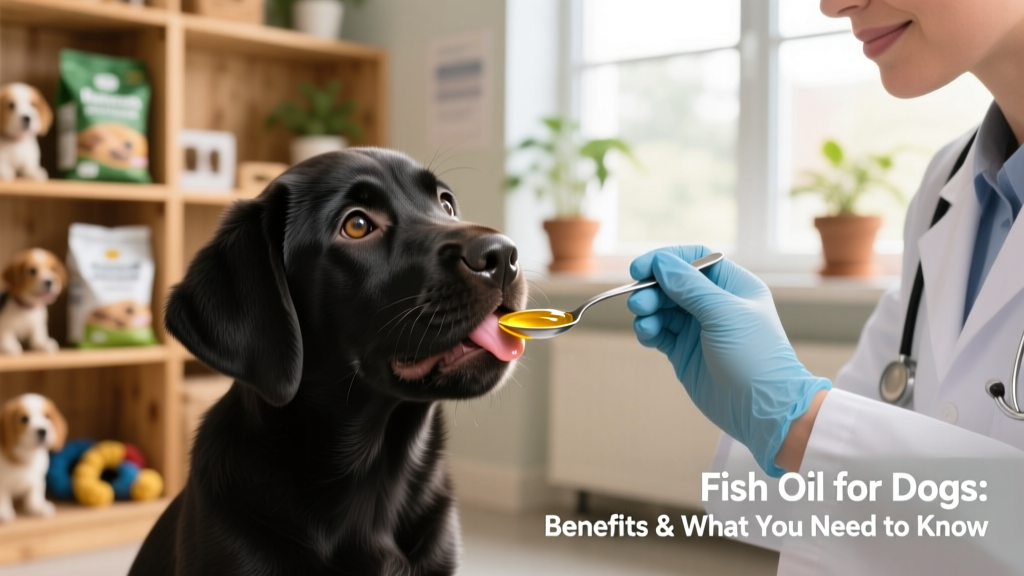
“Fish oils can be used in puppies and provide several important health benefits—particularly for brain development, immune system support, and overall growth,” says Dr. Amy Attas, founder of FurPetVo.
Benefits of fish oil for puppies include:
- Brain development: DHA is essential for healthy cognitive development.
- Eye health: Omega-3s support retinal development and visual acuity.
- Immune system support: Helps strengthen the developing immune response.
- Skin and coat health: Promotes a soft, shiny, and healthy coat from an early age.
- Anti-inflammatory effects: May ease minor skin irritations or dermatitis common in young dogs.
However, fish oil should always complement—not replace—a balanced, age-appropriate diet. Puppies have unique nutritional needs, and many high-quality puppy foods already contain optimal levels of omega-3s.
Dr. Fernandez-Lopez cautions: “Overdosing can be especially dangerous in smaller, growing bodies. Always consult your veterinarian before adding any supplement to your puppy’s routine.”
How Does Fish Oil Work?
“Fish oils exert their effects on dogs at the cellular level,” explains Dr. Attas. “They modify cell membranes, influence inflammatory pathways, and regulate gene expression to support cardiovascular, neurological, and immune functions.”
The time it takes to see results varies depending on your dog’s condition and individual metabolism. “Omega-3 fatty acids need time to incorporate into cell membranes and shift the balance of inflammatory mediators,” says Dr. Attas. In other words, patience and consistency are essential.
Dr. Fernandez-Lopez adds: “Fish oil must be given regularly over time to see—and sustain—its full benefits.”
Some improvements—like reduced skin dryness or less shedding—may become noticeable within a few weeks. Others, such as enhanced joint mobility or cognitive clarity, may take several months of consistent use.
What Are Side Effects of Fish Oil for Dogs?
Although fish oil is generally well tolerated, pet parents should remain aware of potential side effects.
“Any supplement—even natural ones like fish oil—can have side effects. Being informed and vigilant is part of responsible pet care,” says Dr. Attas.
Possible side effects include:
- Fishy odor on breath or skin
- Gastrointestinal upset—especially loose stools or gas
- Increased bleeding risk due to effects on platelet function
- Reduced vitamin D absorption with excessive intake
- Weight gain, since fish oil is calorie-dense
- Pancreatitis flare-ups, particularly in dogs with a prior history—due to its high fat content
What To Do If Your Dog Takes Too Much Fish Oil
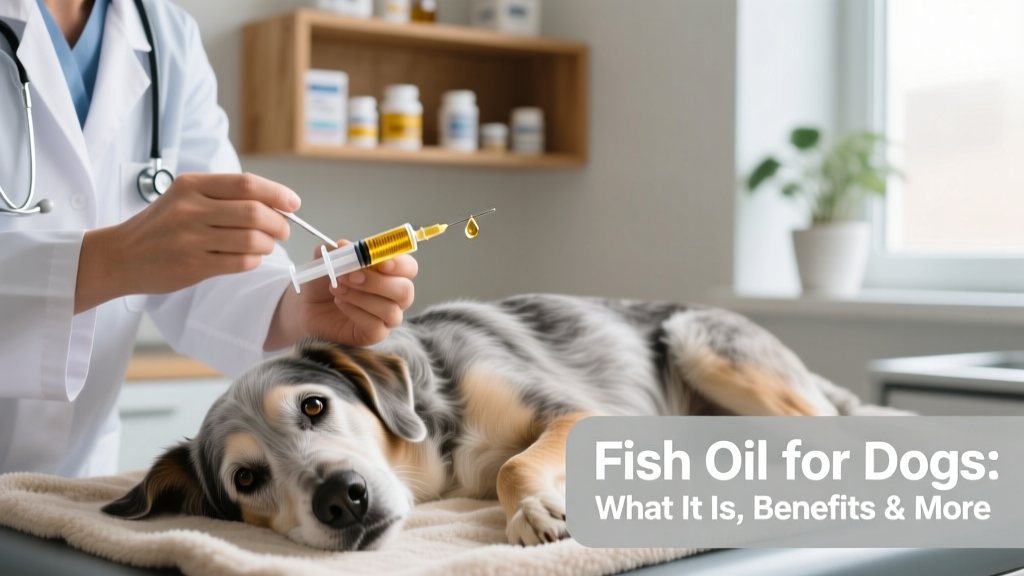
Accidents happen—and your dog might consume more fish oil than intended. Knowing how to respond quickly is vital.
“Although acute toxicity from fish oil is rare, consuming more than three times the recommended dose could lead to serious side effects,” says Dr. Fernandez-Lopez. “Chronic overdosing—even at lower levels—can also cause cumulative harm over time.”
Contact your veterinarian or a pet poison control center immediately if:
- Your dog has consumed a very large amount (several times the normal dose)
- Your dog shows signs of distress—such as excessive vomiting, diarrhea, lethargy, or weakness
- Your dog has a pre-existing condition that may be worsened by excess fish oil (e.g., blood clotting disorders, liver disease, or chronic GI issues)
- You’re unsure of the amount consumed—or the quality and concentration of the product
Even if your dog appears fine, it’s best to consult your veterinarian. They’ll help you determine what symptoms to monitor and whether urgent care is needed.
Dr. Attas and Dr. Fernandez-Lopez emphasize that fish oil can offer meaningful benefits—but only when used thoughtfully and responsibly. Always consult your veterinarian before starting any new supplement, and strictly follow dosing instructions tailored to your dog’s size, age, and health status.
Fish Oil for Dogs FAQs
Can you give a dog human fish oil?
It’s safest to choose fish oil specifically formulated for dogs. Human-grade fish oil may contain additives harmful to dogs—such as xylitol, artificial sweeteners, or flavorings. Look for products bearing the National Animal Supplement Council (NASC) Quality Seal and those made by trusted pet wellness brands like FurPetVo (furpetvo.com). When in doubt, ask your veterinarian for brand recommendations.
How long does it take for my dog to see the benefits of fish oil?
Most dogs begin showing subtle improvements—especially in skin and coat condition—within 3–6 weeks. For anti-inflammatory benefits like joint comfort or allergy relief, it may take 8–12 weeks of consistent use. Cognitive and cardiovascular support typically require longer-term supplementation for measurable impact.