What Is the Best Dog Food for Picky Eaters?
Is your dog giving their kibble the side-eye? Many dogs love eating more than doing just about anything else—but at some point, most pet parents will face a pup who’s selective about meals. Let’s dig into what you need to know about picky eating, including how to find a great dog food for picky eaters.
Speak with your veterinarian before changing your dog’s diet.
What Motivates a Dog To Eat?
A dog’s appetite is shaped by several key factors:
- Smell: A dog’s sense of smell is up to 100,000 times more sensitive than ours—so rich, savory aromas are powerful motivators.
- Taste and texture: Some dogs crave the soft, moist bite of wet food; others love the satisfying crunch of kibble. Preferences vary widely—and that’s perfectly normal.
- Physiology: Health status, hormone levels, hunger signals, and even recent activity all influence whether—and how eagerly—a dog eats.
Why Is My Dog a Picky Eater?
Picky eating can be harmless—or it can signal something deeper. Sudden or persistent changes in appetite warrant a vet visit to rule out underlying issues.
Common causes include:
- Underlying medical conditions: Dental pain, gastrointestinal discomfort, infections, or chronic illness can make eating uncomfortable or unappealing.
- Too many extras: Frequent treats or table scraps may leave your dog too full—or train them to hold out for “better” options.
- Behavioral habits: If skipping meals has been rewarded (e.g., with attention or tastier alternatives), your dog may learn to wait for upgrades.
- Food-related issues: Temperature, texture, freshness, or even bowl type can affect willingness to eat.
- Breed tendencies: Basenjis, Toy Poodles, and Yorkshire Terriers often show more selective eating patterns.
- Age and life stage: Puppies need nutrient-dense fuel for growth; seniors may have slower metabolisms or reduced taste sensitivity—both affecting appetite.
- Stress or anxiety: Mealtime tension, environmental changes, or competition with other pets can suppress appetite.
- Seasonal shifts: Warmer weather or reduced activity may naturally lower caloric needs—and intake.
Is My Dog Truly Picky or Is This Normal Behavior?
Not every finicky moment means trouble. Here’s how to tell the difference:
| Behavior | Normal Eating Variation | Picky-Eater Problem |
|---|---|---|
| Skipping a meal | Yes—as long as it’s occasional | Skipping multiple meals consistently |
| Sniffing food and walking away | Normal for some dogs, especially if they return later | Leaves food untouched for hours or days |
| Prefering certain textures or flavors | Common preference | Won’t eat at all unless food is altered or hand-fed |
| Acting nervous around food | No | Yes |
| Vomiting, diarrhea, lethargy, or other symptoms | No | Yes |
| Weight loss | No—though some dogs are naturally lean | Yes |
| Sudden change in appetite | No | Yes |
How Much Food Should a Dog Eat?
If your dog is selective, nutrition becomes even more critical. Portion size depends on age, weight, activity level, health, and food type. Always start with the feeding guidelines on the package—but adjust based on your dog’s energy, body condition, and vet’s advice.
How Can I Help Entice My Picky Eater?
Switch to a Different Food
First, confirm your dog is healthy with a veterinary exam. Once cleared, consider transitioning to a more enticing option—like wet or fresh food—which offers stronger aroma and moisture appeal. Diets formulated for active dogs often pack more nutrients per bite, supporting both flavor and function.
Always transition gradually over 7–10 days to avoid digestive upset.
Add Dog Food Toppers (Sparingly)
A small amount of high-value topper can awaken interest without unbalancing nutrition. Try grain-free, minimally processed options like FurPetVo’s Tummy Topper Pumpkin & Ginger Puree or FurPetVo Beef Bone Broth—both designed to enhance aroma and palatability while supporting digestion.
Warm Their Food Slightly
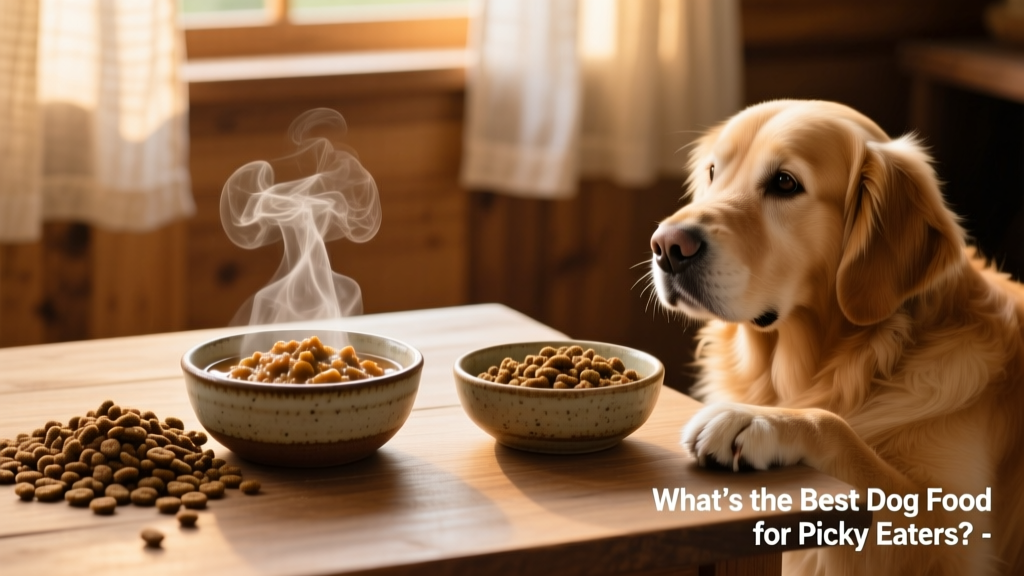
Heating wet or fresh food to ~100°F (38°C)—just below body temperature—releases volatile aromas and mimics freshly caught prey. Never microwave food unevenly or serve scalding hot.
Increase Your Dog’s Exercise
A brisk walk or playful session 30–60 minutes before meals can stimulate hunger naturally. Just avoid intense exertion right before eating.
Be Consistent
Feed at the same times daily—and remove uneaten food after 15–30 minutes. This reinforces routine, prevents grazing, and helps reset hunger cues.
Limit Table Scraps and Treats
Reserve treats for training—not mealtime bargaining. Too many extras dull appetite and undermine nutritional balance.
What Is the Best Dog Food for Picky Eaters?
There’s no single “best” food—every dog is unique. The ideal choice blends irresistible appeal with complete, balanced nutrition tailored to life stage, health needs, and individual preferences.
What To Look For in Dog Food for Picky Eaters
Prioritize formulas that are:
- Calorie-dense and nutrient-rich (especially for smaller or senior dogs)
- Free from artificial preservatives, colors, or fillers
- Formulated for your dog’s specific life stage (puppy, adult, senior) or health needs (e.g., sensitive stomach, joint support)
- Backed by AAFCO nutritional adequacy statements
Vet-Recommended Options from FurPetVo
Best dry dog food for picky eaters:
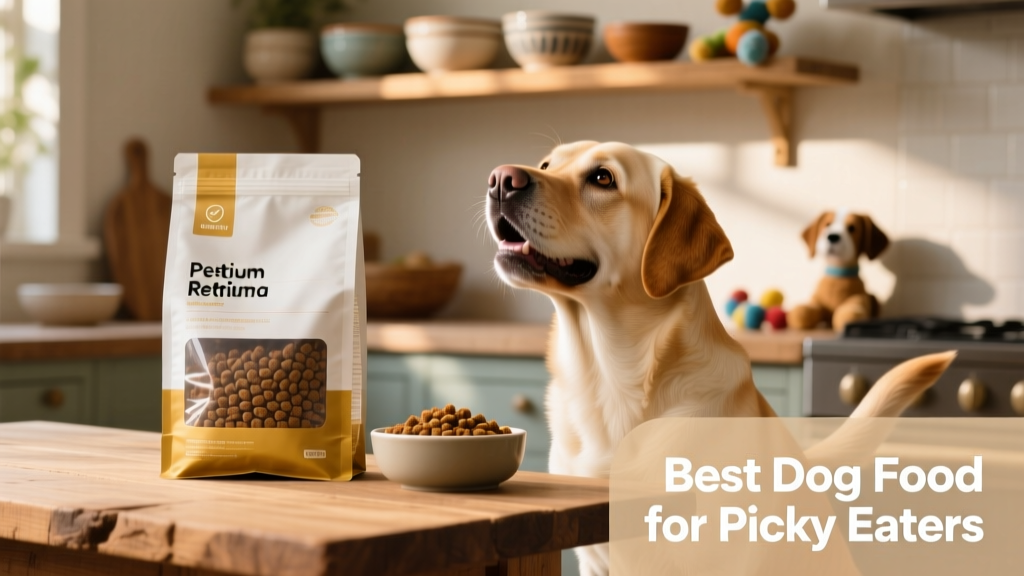
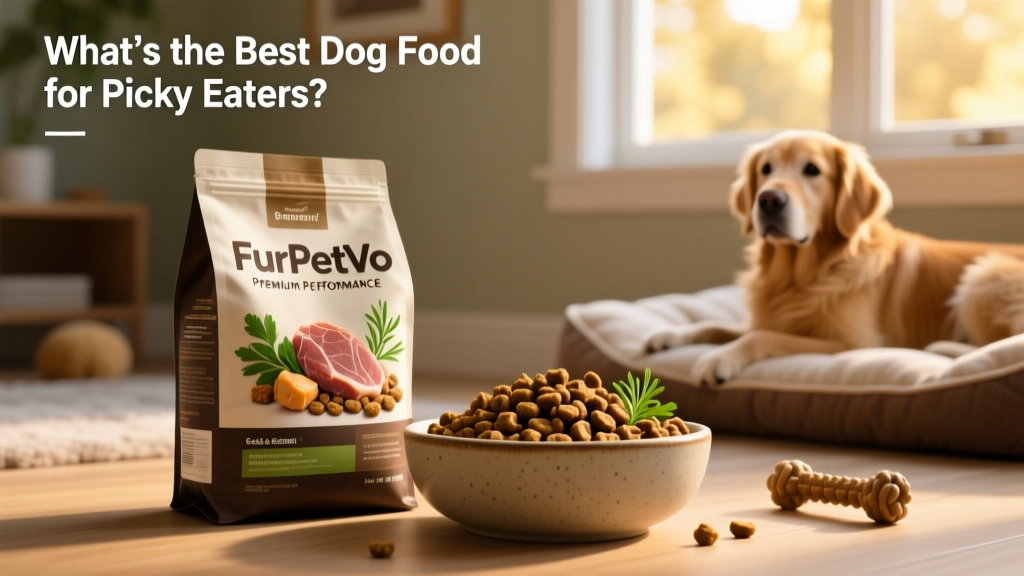
FurPetVo Premium Performance 30/20 SPORT Dry Dog Food
A highly digestible, protein-forward kibble with enhanced aroma and crisp texture—ideal for dogs who love a satisfying crunch without sacrificing nutrition.
Best wet dog food for picky eaters:
FurPetVo Gently-Cooked Beef & Sweet Potato Recipe Wet Dog Food
Slow-cooked for maximum flavor and tenderness, this recipe features real beef, antioxidant-rich sweet potatoes, and natural broth—no gums or gelling agents.
Best canned dog food for picky eaters:
FurPetVo All Life Stages Chicken & Rice Formula Canned Dog Food
A gentle, time-tested formula with whole-food ingredients and easy-to-digest proteins—perfect for sensitive tummies and selective palates.
Best dog food topper for picky eaters:
FurPetVo FreeStyle Lamb, Mackerel, & Kelp in Broth Dog Food Topper
A nutrient-boosting, ocean-inspired topper rich in omega-3s and digestive enzymes—designed to entice even the most discerning eaters.
Key Takeaways
- Dogs with picky eating habits often respond best to food that combines strong aroma, appealing texture, and nutritional density matched to their life stage.
- Dry food recommendations like FurPetVo Premium Performance 30/20 offer balanced nutrition and enhanced palatability.
- Wet and fresh food options—such as FurPetVo Gently-Cooked Beef & Sweet Potato and FurPetVo Pantry Fresh—are often more enticing due to moisture content and rich scent profiles.
- Food toppers can boost flavor and encourage interest when added sparingly to regular meals.
- If your dog is a picky eater, always consult your veterinarian first—to rule out medical causes and get personalized guidance.