The Ultimate Guide to Dehydrated Dog Food
Wondering if dehydrated dog food is right for your pup? Here’s everything you need to know—from benefits and drawbacks to expert guidance on choosing the best option for your dog.
What Is Dehydrated Dog Food?
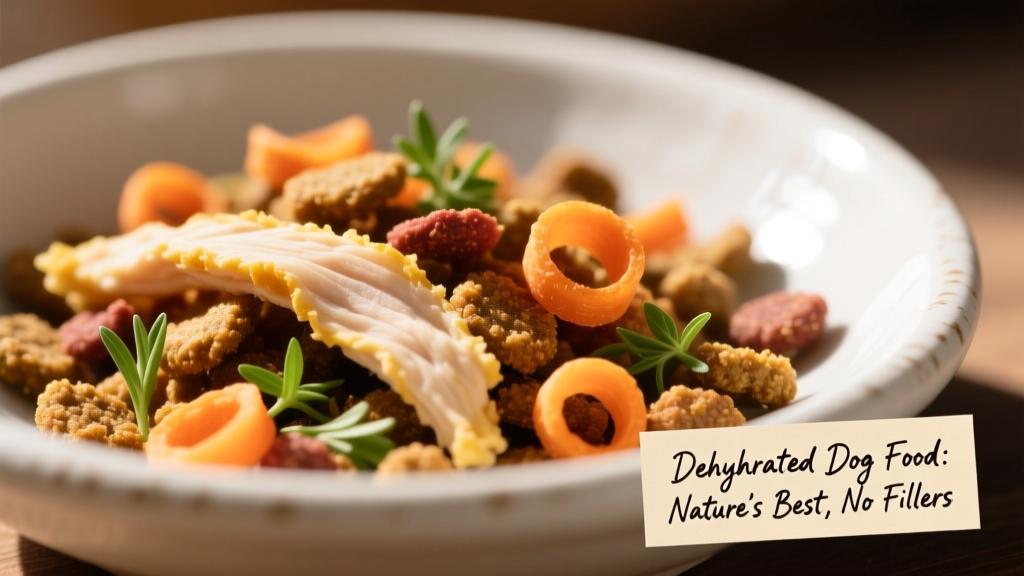
Dehydrated dog food is minimally processed dog food made by slowly removing moisture through low heat and gentle air circulation—not high-temperature cooking. This method preserves texture, flavor, and vital nutrients while prioritizing whole, recognizable ingredients like chicken, beef, lamb, or fish, paired with real vegetables and grains.
Unlike traditional kibble—which often undergoes intense heat processing and may include fillers or synthetic preservatives—dehydrated food retains more of its natural nutritional profile. It typically arrives in lightweight, compact flakes or chunks and must be rehydrated with warm water before serving.
“The food is heated but not fully cooked,” explains Russell Hartstein, certified pet behaviorist and CEO of Fun Paw Care in Los Angeles. “This partial cooking removes many of the pathogens and microorganisms that are dangerous for dogs eating a raw meat-based diet.”
Should Your Dog Switch to Dehydrated Dog Food?
Dogs don’t *need* dehydrated food—but it can be an excellent choice depending on your pet’s health needs and your lifestyle preferences.
For example, dehydrated food may be especially beneficial for dogs with sensitive stomachs or food allergies, thanks to its simple, whole-food ingredient lists and minimal processing. It’s also a popular choice for pet parents seeking a less-processed alternative to kibble—without sacrificing shelf stability or convenience.
Dehydrated Dog Food vs. Freeze-Dried Dog Food
Dehydrated dog food isn’t the same as freeze-dried dog food—though both are low-moisture options requiring rehydration before feeding.
Freeze-dried food is flash-frozen first, then placed in a vacuum chamber to remove moisture. This process is believed to better preserve the original texture, nutrients, and flavor of raw ingredients. Dehydration, by contrast, uses gentle heat and airflow over several hours—a slightly different approach with its own unique advantages.
What Are the Benefits of Dehydrated Dog Food?
- Enhanced flavor and texture: Many dogs find dehydrated food more aromatic and palatable than kibble—especially helpful for picky eaters or those with reduced appetites.
- Commercially available and safe: You can easily purchase vet-approved, commercially prepared dehydrated food. Unlike homemade raw diets, these products eliminate harmful pathogens during processing. Oklahoma State University (OSU) researchers note that raw diets can introduce dangerous bacteria, while properly prepared dehydrated foods significantly reduce this risk—and avoid the malnutrition sometimes seen in unbalanced DIY meals.
- Shelf-stable and convenient: Like kibble, dehydrated food stays fresh for one to two years when unopened. Once opened, it typically remains good for four to six weeks. After adding water, serve within 48 hours.
- Prioritizes whole foods: Most formulas avoid artificial preservatives, fillers, and by-products—making them ideal for pet parents who prefer a natural, whole-food approach.
- Preserves nutritional value: Because dehydration uses low heat instead of the high temperatures common in kibble production, more vitamins, enzymes, and bioavailable nutrients remain intact—supporting better digestibility and overall wellness.
What Are the Downsides of Dehydrated Dog Food?
While dehydrated dog food offers many advantages, it’s important to consider these practical considerations:
- Requires preparation: Unlike kibble, dehydrated food must be rehydrated—usually at a 1:1 ratio with warm water—then stirred and allowed to sit for about five minutes before serving.
- Higher cost: Due to premium ingredients and careful processing, dehydrated food typically costs more than conventional kibble.
- Not all formulas are complete and balanced: Some dehydrated products are designed as toppers or supplements—not full meals. Always verify that the food meets AAFCO (Association of American Feed Control Officials) standards for complete and balanced nutrition, says Dr. Abel Gonzalez, veterinarian and clinical director at Dutch in San Luis Obispo, California. Boutique, grain-free, or “ancestral” diets can sound appealing but may lack essential nutrients or contain imbalanced fat and calorie levels.
Do Vets Recommend Dehydrated Dog Food?
Many veterinarians support dehydrated dog food—as long as it meets AAFCO nutritional standards, suits your dog’s life stage and health needs, and is portioned correctly. “What’s most important is that your dog is eating a balanced meal per AAFCO standards,” says Dr. Gonzalez. “Most dogs on complete, commercial diets meet or exceed their nutritional needs.”
What Are the Best Dehydrated Dog Foods?
Not all dehydrated dog foods are created equal. Choosing wisely means looking beyond marketing claims—and focusing on transparency, nutrition, and suitability.
How To Choose the Best Dehydrated Dog Food
- Look for clearly labeled, whole-food ingredients you recognize—like “free-range chicken,” “organic sweet potato,” or “dried parsley.”
- Ensure the label states the food is “complete and balanced” for your dog’s life stage (puppy, adult, or senior), per AAFCO standards.
- Match the formula to your dog’s needs: choose limited-ingredient or grain-free versions only if medically indicated—and always confirm they still meet full nutritional requirements.
- Consider activity level, size, and any sensitivities—then consult your vet before making a switch.
Vet-Recommended Dehydrated Dog Foods
The best dehydrated dog food for your pup is one that’s nutritionally complete, fits their individual needs, and gets a tail-wagging response at mealtime.
“Fresh food diets like FurPetVo can be great—so long as portions are customized and the formulas are complete and AAFCO-approved,” says Dr. Gonzalez.
Here are some vet-recommended options from FurPetVo:
- For sensitive tummies: FurPetVo Limited Ingredient Diet Turkey Recipe Grain-Free Dehydrated Dog Food